Terracotta Army
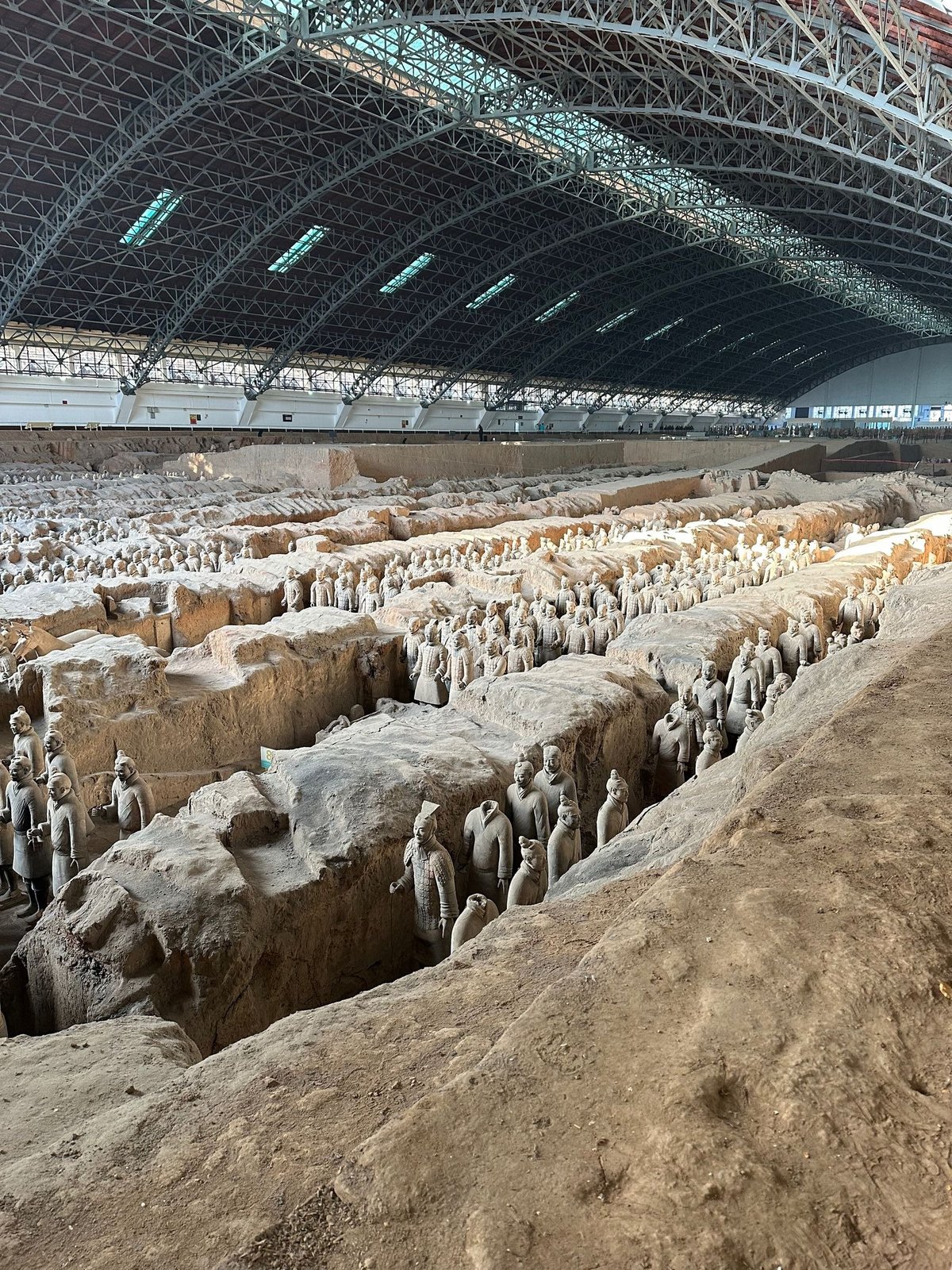
Six thousand clay soldiers stand in formation under a hangar 35 km east of Xi'an. It is the single most overwhelming thing in the city, and also the easiest to get wrong — go at opening and hire a guide.
Rated for foreign travellers
Six things overseas visitors weigh most in China, scored 1 to 5. Based on what travellers actually ask about before they come.
- SafetyHow safe it feels
- 4.7
- Getting thereTransit convenience
- 3.8
- EnglishEnglish signs & staff
- 3.2
- PaymentsEasy to pay
- 4.3
- CleanClean & comfortable
- 4.0
- ValueWorth the money
- 4.6
You know what it is before you arrive. Rows of clay soldiers, one of the most photographed sites in China, a queue to get in. None of that prepares you for the moment you climb the steps above Pit 1 and see the scale of the place laid out below: corridors of warriors stretching further than you can take in at once, still partially buried, still being excavated.
The museum is the burial complex of the first Qin emperor, who died in 210 BC. The army was made to guard him in the afterlife, and the sheer industrial effort behind it is what lands — thousands of individually modelled faces, real weapons that were once sharp, and traces of the bright paint that has mostly fallen away since excavation.
Let the guide do the work
This is the one sight in Xi’an where I would call a guide essential rather than optional. The pits do not explain themselves. The differences between an infantryman, an archer and an officer are subtle, the original colour scheme is gone, and the history of the site — including the damage done after excavation — is not written on the railings.
Official guides wait at the ticket office and charge ¥150–200 (about $21–29) for two hours. They are worth every yuan. If you prefer to go at your own pace, rent an audio guide instead, but do skip the “cultural tour” sold in the car park, which usually adds a jade factory or two to your day.
See the pits backwards
Everyone turns right into Pit 1 first, which is why it is packed. Go the other way. Pit 3 is small and reads like a command post; Pit 2 holds the more interesting mixed units and the surviving painted figures behind glass; then finish in Pit 1 when the morning crowd starts thinning toward lunch. It is the same visit with a completely different feel.
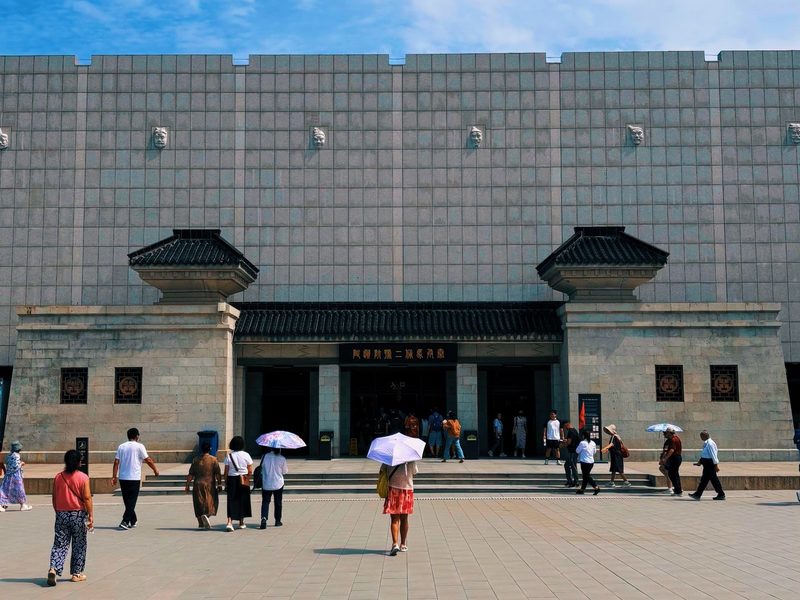
Leave time for the museum galleries as well — the bronze chariots and the display of weapons and tools give the clay figures a technical context that is easy to miss when you only see the big hall.
Getting there and timing
The site is 35 km east of central Xi’an. Bus 306 leaves the east square of Xi’an Railway Station from around 7am, costs ¥7 (about $1) and takes about 70 minutes; it makes no shopping stops, which is precisely why you want it. The metro line 9 plus a shuttle bus is the other public option, and a taxi runs about ¥120–150 (about $17–21) each way.
Entry is ¥120 (about $17). Peak-season hours are usually 08:30–18:00; from December to February it is 08:30–17:00 with last entry at 16:00, so check the current notice before you go. Arriving at opening gives you a quiet first hour and a cool walk in summer — the hangars have almost no shade and the Lintong sun is harder than the city’s.
The practical bits
Allow half a day including travel, closer to five hours if you want the museum galleries and a slow look at all three pits. There is a cashless ticket process and the site handles cards and phone payments easily. Bring water, a hat and comfortable shoes; you will be standing on concrete for most of the visit.
Huaqing Palace is a few minutes away and pairs naturally, especially if you are staying for the evening performance of The Song of Everlasting Sorrow. If you do that, pre-book a ride back to the city — the taxi queue after the show is the longest one in Shaanxi.
Before you go
Is a guide really necessary?
Yes. Without one you will walk through three pits of earth in forty minutes. Official guides at the ticket office charge ¥150–200 (about $21–29) for two hours and explain the ranks, the original paint and the looting. Do not buy from touts in the car park.
How do I get there on my own?
Take bus 306 from the east square of Xi'an Railway Station, ¥7 (about $1), about 70 minutes, running roughly 7am to 7pm. The metro line 9 plus shuttle also works. A taxi is about ¥120–150 (about $17–21) each way.
When is the quietest time?
Be at the gate at opening. In peak season the site usually runs 08:30–18:00, in winter 08:30–17:00 with last entry at 16:00. The first hour is calm; afternoon is when the groups land.
More in Xi'an


Want a plan that fits your dates?
Tell us your dates, budget and what you actually like doing — we will send back a day-by-day plan by email. No charge for the first draft.
Plan with us →