Beijing Hutongs
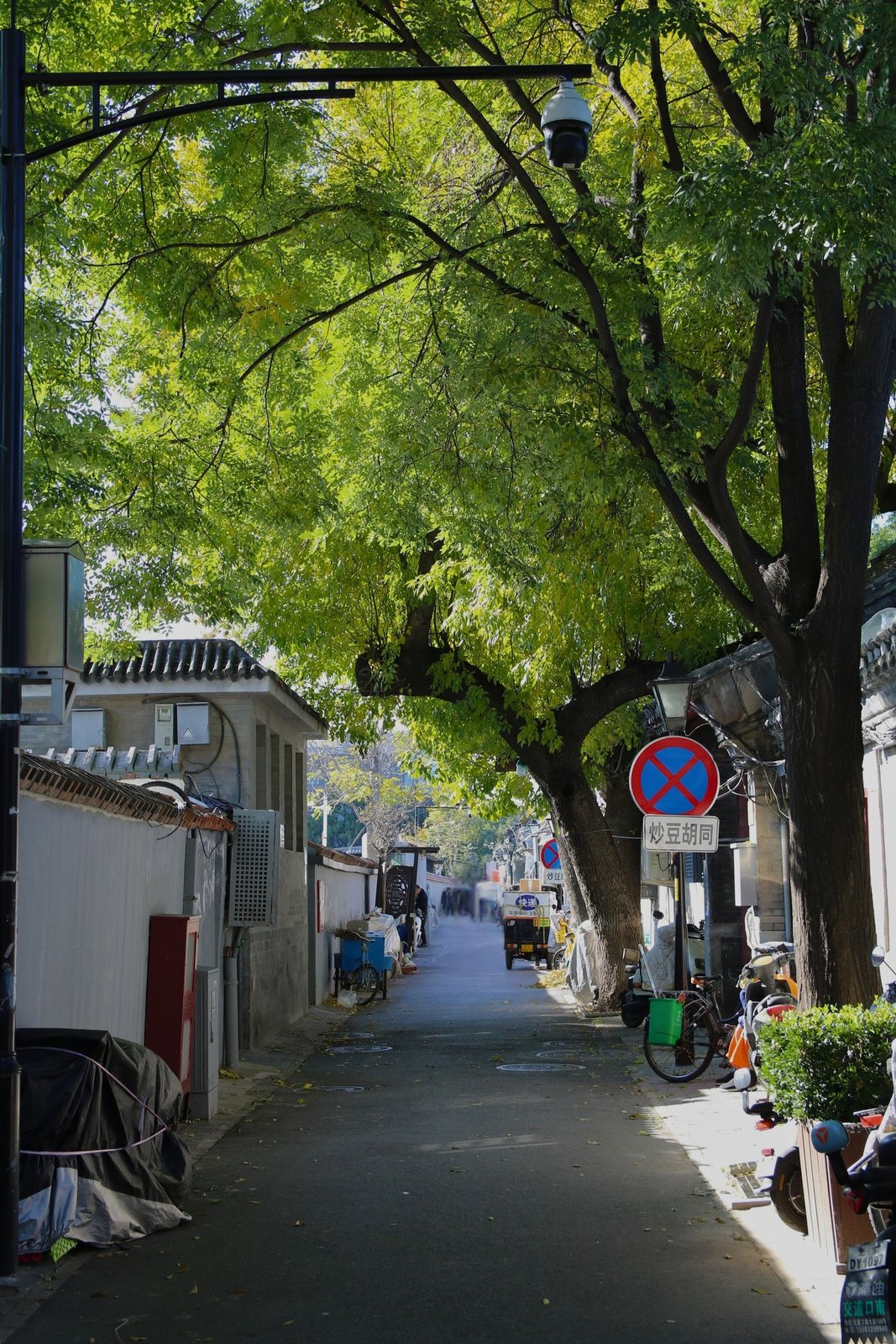
Hutongs are free — you simply walk in. Around Gulou, Dongsi and Andingmen, people actually live here, with breakfast stalls, bicycles and old trees out front.
Rated for foreign travellers
Six things overseas visitors weigh most in China, scored 1 to 5. Based on what travellers actually ask about before they come.
- SafetyHow safe it feels
- 4.7
- Getting thereTransit convenience
- 4.7
- EnglishEnglish signs & staff
- 3.5
- PaymentsEasy to pay
- 4.3
- CleanClean & comfortable
- 3.8
- ValueWorth the money
- 4.9
Hutongs are the grain of Beijing — narrow east-west lanes lined with grey brick walls, each gatehouse and pair of doorstones slightly different. They are not sights. People live here, and the trees in the courtyards, the bicycles at the doors and the old men sitting in the sun are ordinary life.
Where to walk
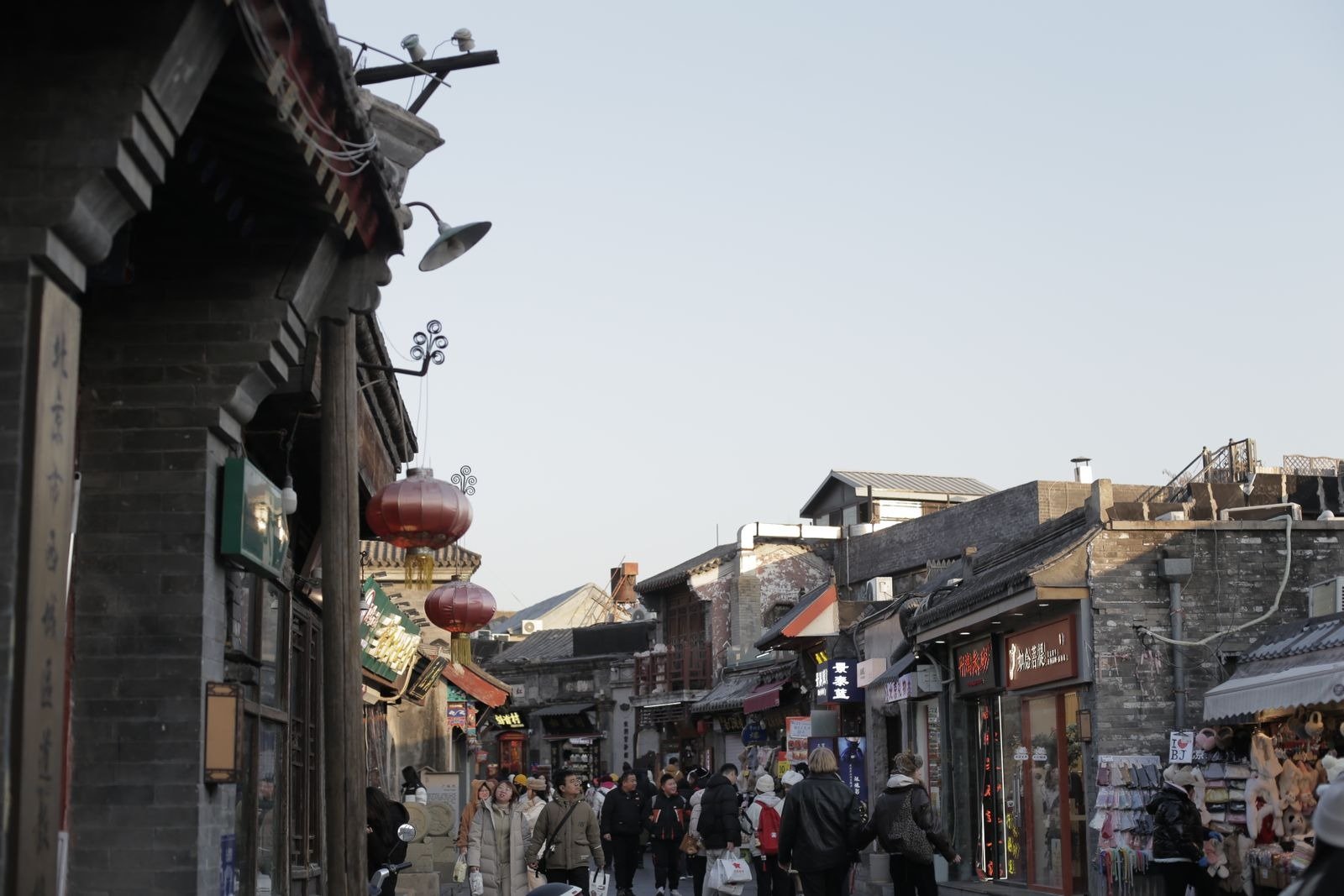
Nanluoguxiang is the famous one and the busiest, a whole street of shops and visitors. Its value is as an entrance — turn east or west into the side lanes, into Mao’er or Yuer Hutong, and the crowds halve at once.
Dongsi feels more domestic, with well-preserved gatehouses and people eating breakfast on their doorsteps. The lanes around the Confucius Temple and Andingmen are leafy and calm. Around Gulou the hutongs are liveliest, with small bars at night.
Go early to see a real morning
At seven the hutong is a different place from ten. Breakfast stalls set up at the intersections — jianbing, soy milk, fried dough; people walk home with vegetables; sanitation workers sweep the fallen leaves. This is the most unguarded hour in Beijing.
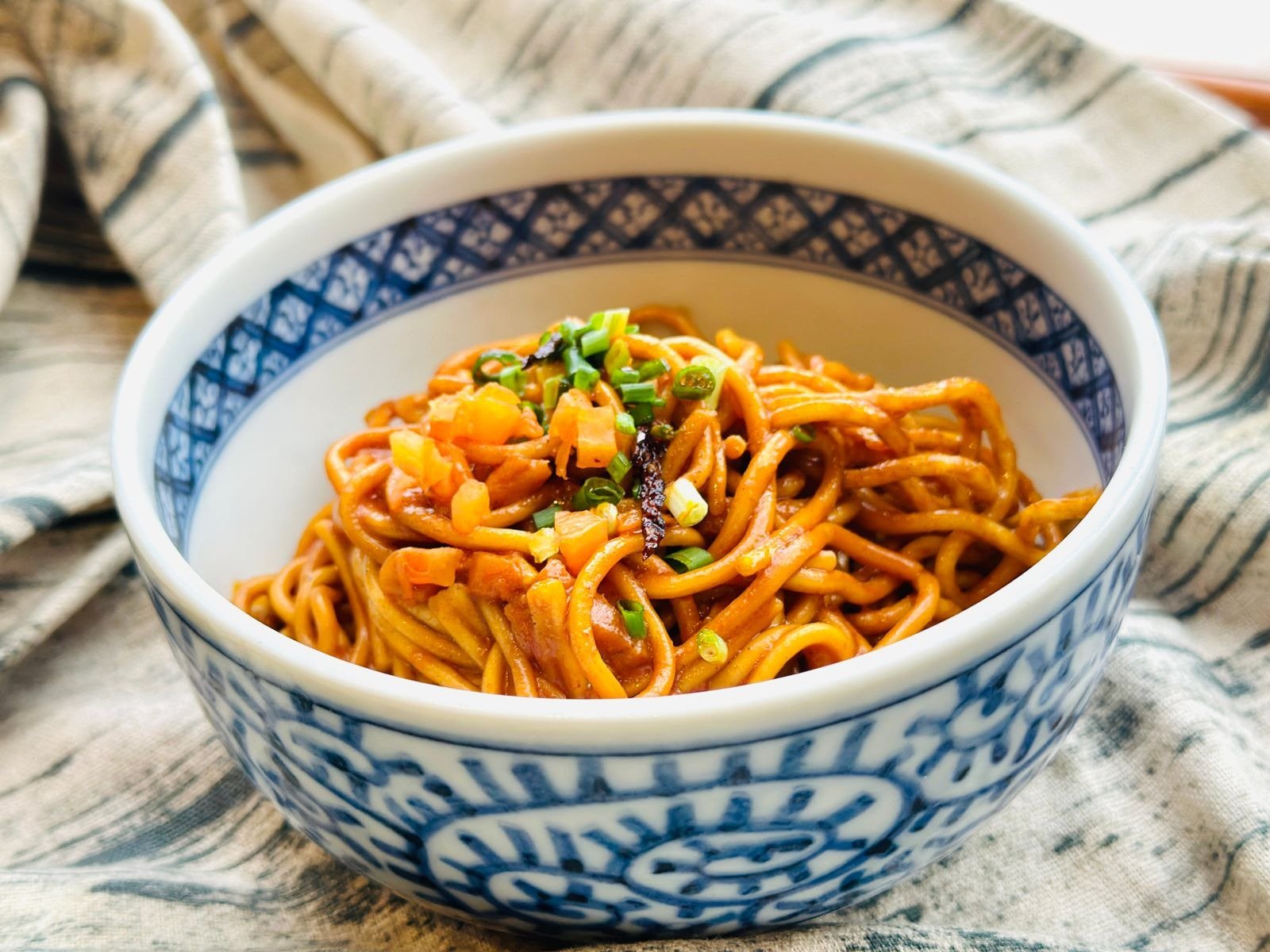
When your legs give out, find a small restaurant. Zhajiangmian is ¥20–30 (about $2.9–4.3), or order dumplings by the liang. Do not expect an English menu — point at what the next table is eating.
A few rules
Most courtyards are private homes; an open gate is not an invitation, and you should not aim a camera into a courtyard for long. Rickshaws are fine but ignore the promise of a “deep hutong tour” — the route is fixed and the commentary often lazy. Walking is the way: go until you feel like stopping.
It is windy in winter and pleasantly shaded under the trees in summer. Wear shoes you can walk in — “close” here tends to start at a kilometre.
Before you go
Which area is best?
The east-west lanes between Gulou and Nanluoguxiang, several streets in Dongsi, and the area round the Confucius Temple and Andingmen. Nanluoguxiang itself is the most commercial; turn into the side alleys and the crowds drop immediately.
Should I take a rickshaw?
No need. The commentary varies and the route is always the same few streets. On foot you can stop where you like and actually meet the place.
Can I enter a courtyard house?
Ordinary courtyards are private homes — do not push the gate open. Ones converted into museums, cafés or guesthouses welcome visitors and say so at the door.
When should I go?
Seven to nine in the morning is the most alive, with breakfast stalls and people buying groceries. After four the light softens, which is good for photographs.
More in Beijing
Want a plan that fits your dates?
Tell us your dates, budget and what you actually like doing — we will send back a day-by-day plan by email. No charge for the first draft.
Plan with us →