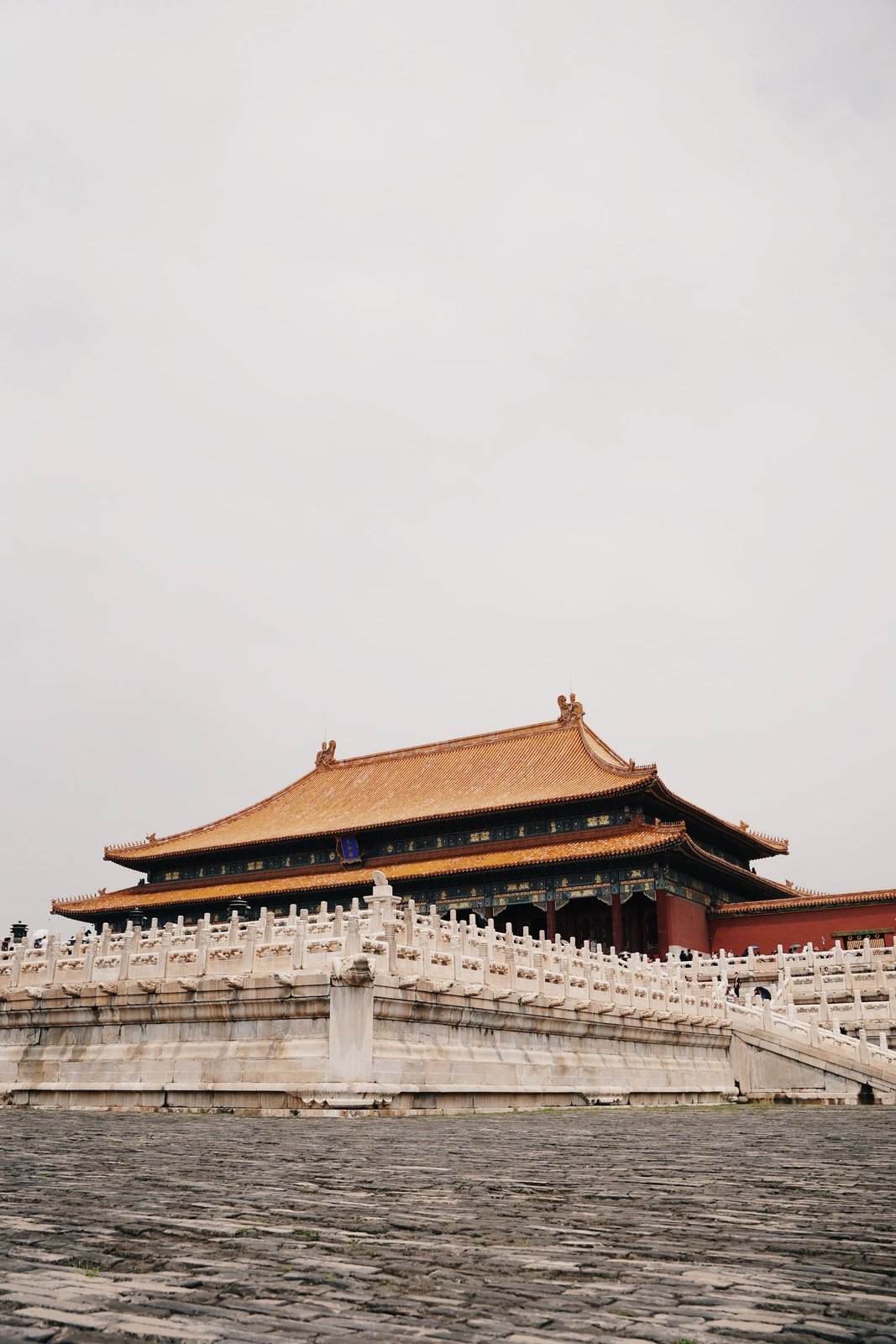
The Forbidden City
Nine thousand rooms of imperial palace, red walls and yellow tiles on a scale that leaves you speechless. The best parts are not on the central axis but in the side courtyards.
Rated for foreign travellers
Six things overseas visitors weigh most in China, scored 1 to 5. Based on what travellers actually ask about before they come.
- SafetyHow safe it feels
- 4.8
- Getting thereTransit convenience
- 4.9
- EnglishEnglish signs & staff
- 4.0
- PaymentsEasy to pay
- 4.6
- CleanClean & comfortable
- 4.5
- ValueWorth the money
- 4.7
Walking in through the Meridian Gate, most people look up first. The Hall of Supreme Harmony presses overhead, the red walls run beyond sight, and the courtyard feels deliberately too big. That is the point of imperial architecture — to make you feel small.
Cross the central axis quickly
The Hall of Supreme Harmony, the Hall of Central Harmony, the Hall of Preserving Harmony, and further north the palaces of earthly tranquility — this axis is where every tour group goes. Flags bob past, and loudspeakers overlap. It is worth seeing properly, but do not spend three hours here.
My approach is to walk the axis, allowing five or ten minutes per hall, and save the real time for the sides.
The eastern and western palaces are the prize
The western string — the Palace of Earthly Honour, the Palace of Eternal Harmony, the Palace of Longevity — was where the empress dowager lived. The courtyards are much smaller, shadows fall across the bricks, and the crowds thin out. On the east side, the Palace of Tranquil Longevity holds the Qianlong Garden, a tight weave of rocks, bamboo and covered corridors, a different world from the grand open spaces out front.
The Clock and Treasure galleries sit in separate courtyards and cost extra (¥10 each, about $1.4). They are worth it, especially the clocks that actually move.
Get the full picture from Jingshan
Leave by the Gate of Divine Prowess and take the underpass to Jingshan Park. The climb to Wanchun Pavilion takes fifteen minutes, and it buys the whole palace spread out below — row after row of yellow glazed tile, the axis running straight south. It is the best photograph you will take in Beijing, on a clear day.
East of here is the National Museum of China, on the east side of Tiananmen Square, part of the same historic core.
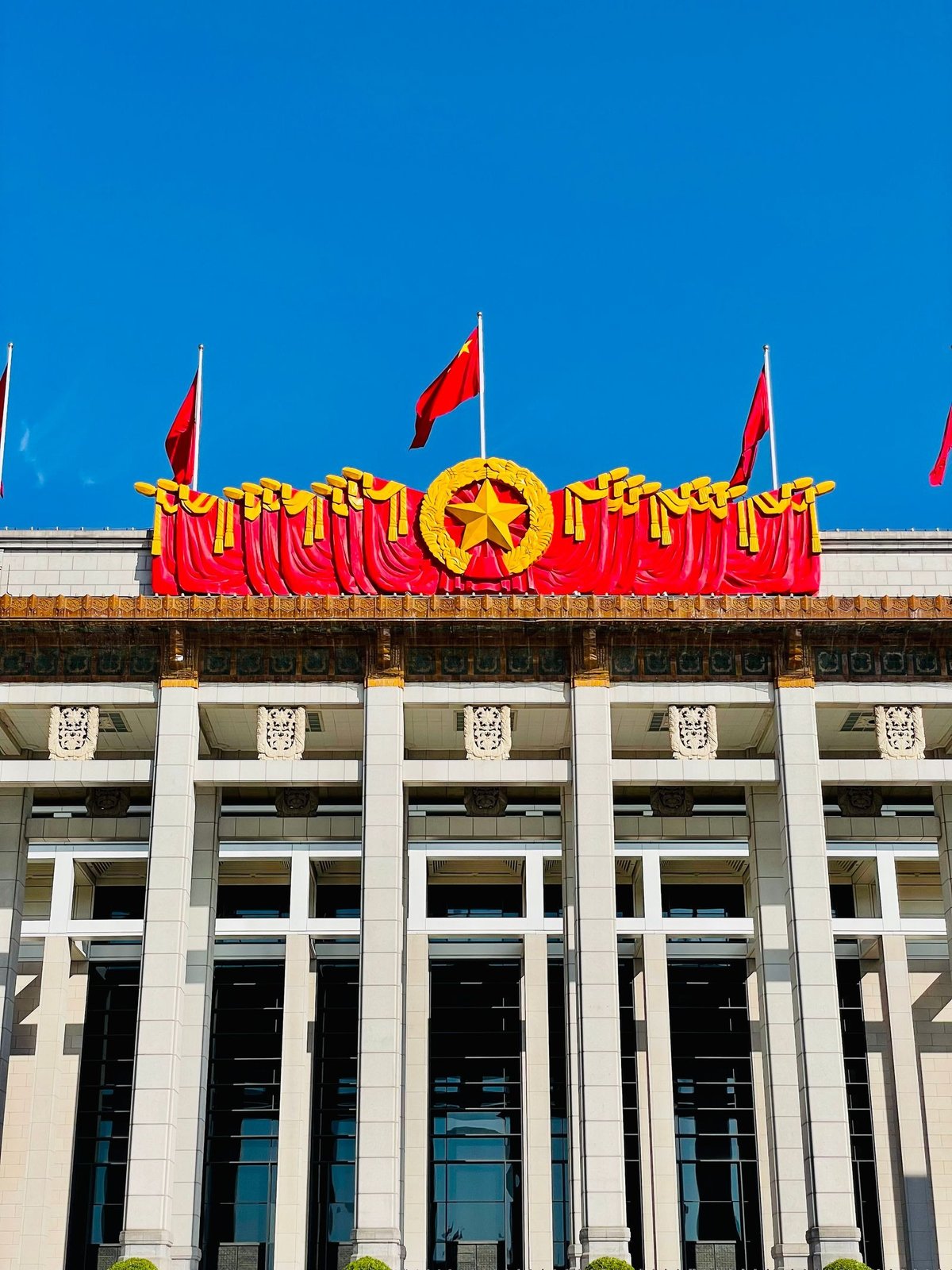
Closed Mondays. Tickets are passport-linked, released seven days ahead, and there is no walk-up entry. ¥60 (about $8.6) peak season, ¥40 (about $5.7) off-peak.
Practical notes
- There is almost nowhere to eat inside. Carry water, or plan to eat near the Meridian Gate.
- The main courts have no shade in summer — a hat and water matter more than anything. It is windy in winter, so bring gloves.
- Meridian Gate to Gate of Divine Prowess is over three kilometres on foot. Wear shoes you can walk in.
- Tripods are not allowed, and drones are banned.
Before you go
How do I get a ticket?
Only through the official booking channel, with your passport linked. Tickets drop seven days ahead and sell out in minutes in peak season. There is no ticket window on site. Closed Mondays, except public holidays.
Which gates do I use?
In at the Meridian Gate, out at the Gate of Divine Prowess or the East Gate. Once inside you walk north — you cannot go back the way you came.
Should I hire a guide?
On a first visit, yes, or rent an audio guide. Without one, the main halls are just roofs; with one, you learn where every name comes from.
Where should I go afterwards?
Cross the road to Jingshan Park (¥2–10, about $0.3–1.4) and climb fifteen minutes to the Wanchun Pavilion for the only good overview of the palace.
More in Beijing
Want a plan that fits your dates?
Tell us your dates, budget and what you actually like doing — we will send back a day-by-day plan by email. No charge for the first draft.
Plan with us →