What's On in Beijing
Concerts, exhibitions and the seasonal windows locals wait for.
The rest of the calendar in Beijing
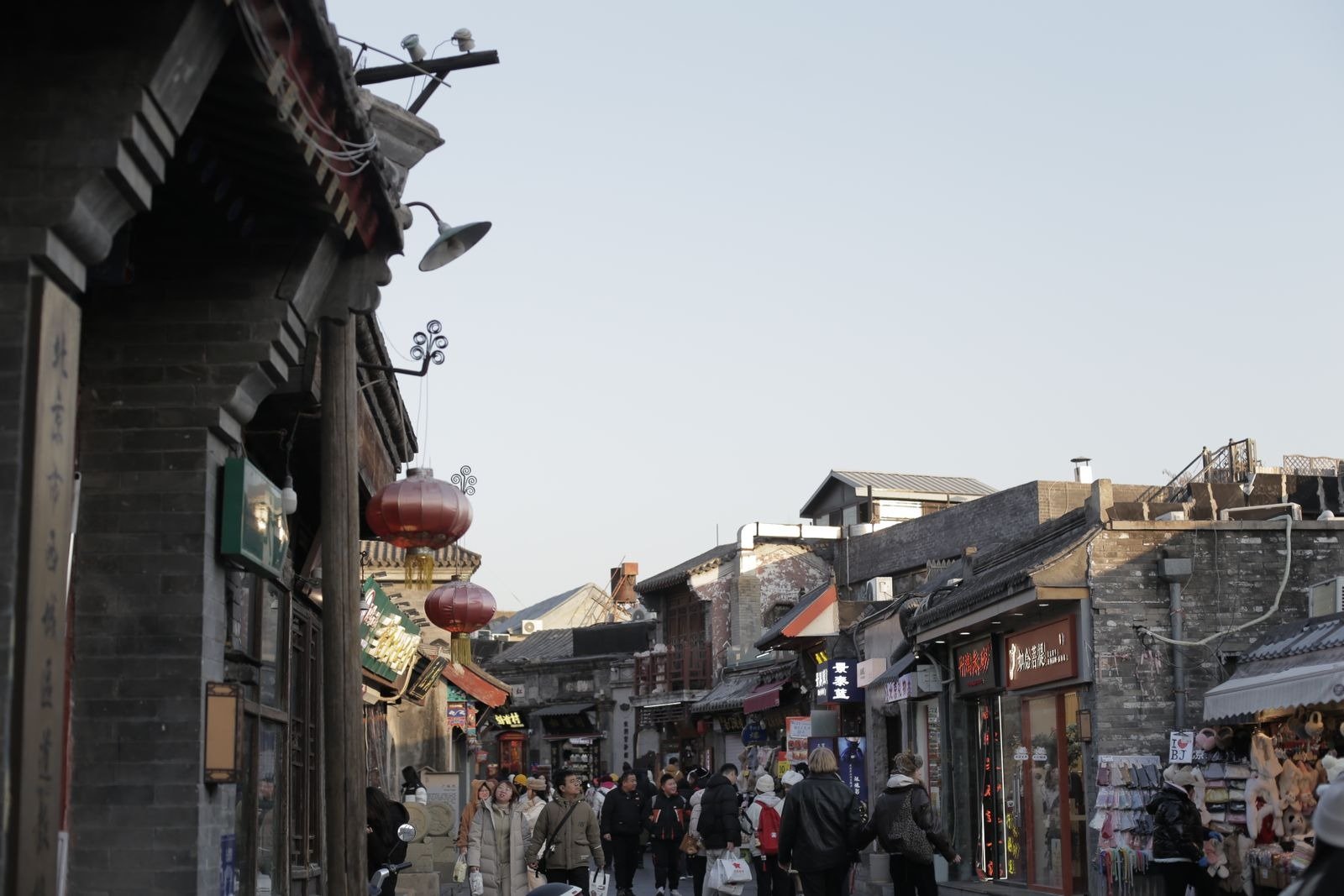
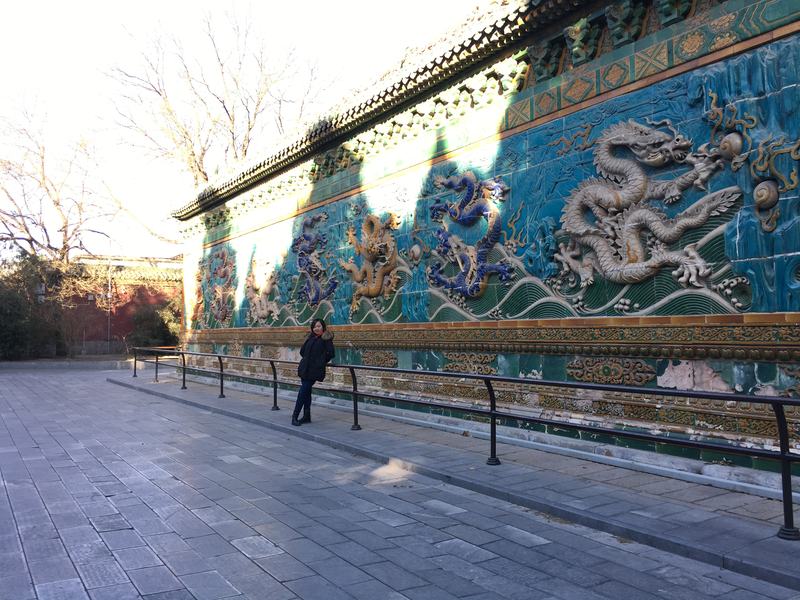 6–11 FebLama Temple fair at Chinese New YearThe busiest week of the Beijing year. Worth it once, if you go at 7am and know which gate to use.
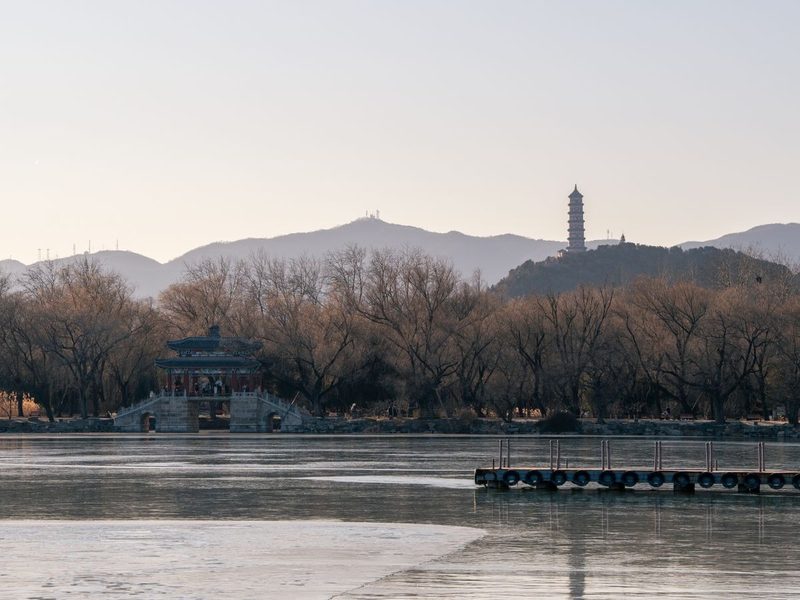 15–21 SeptMid-Autumn night at BeihaiAround the Mid-Autumn festival, lanterns go up around Beihai Park's lake and people take boats out to watch the moon. Beijing's gentlest night of the year.
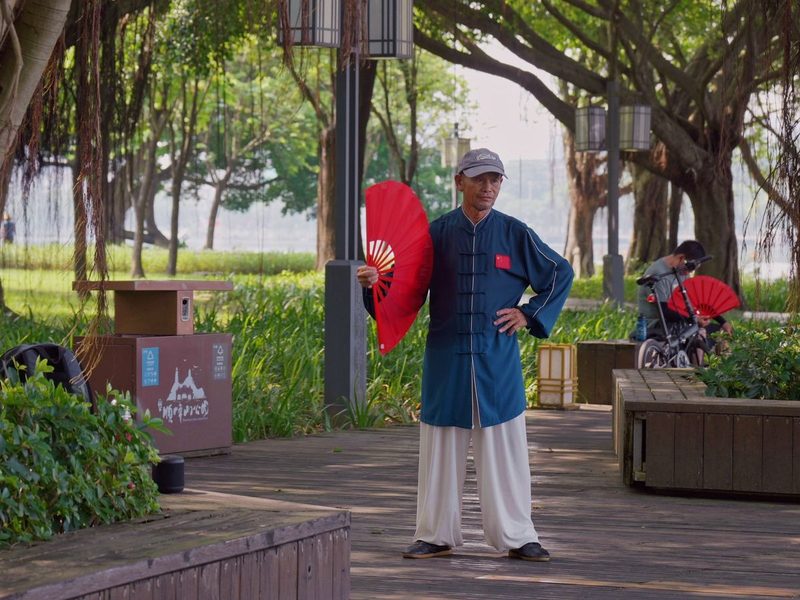 15 Oct – 15 NovFragrant Hills red leaf seasonBeijing's most famous autumn ritual. Smoke bush turns from green to red, leaves litter the paths, and the crowds are heavy at weekends. Go on a weekday morning.
What Beijing does every year
Blossom, tea, crab, ginkgo — the seasonal windows worth moving a trip for. Written by season, not by fixed date, because the dates move every year.
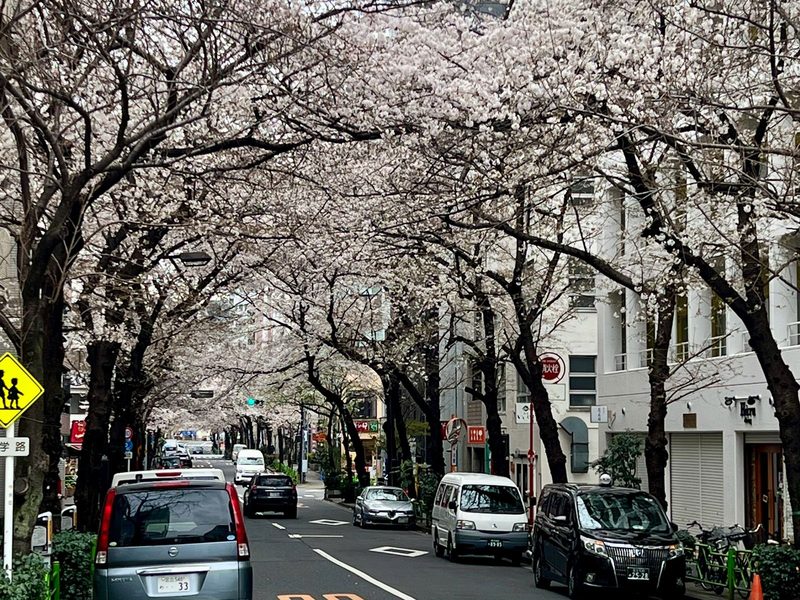 03–04Mar – mid AprBlossom fortnight
Yuyuantan's cherry walk and the city's parks all bloom at once. Go before eight; by ten it is a queue.
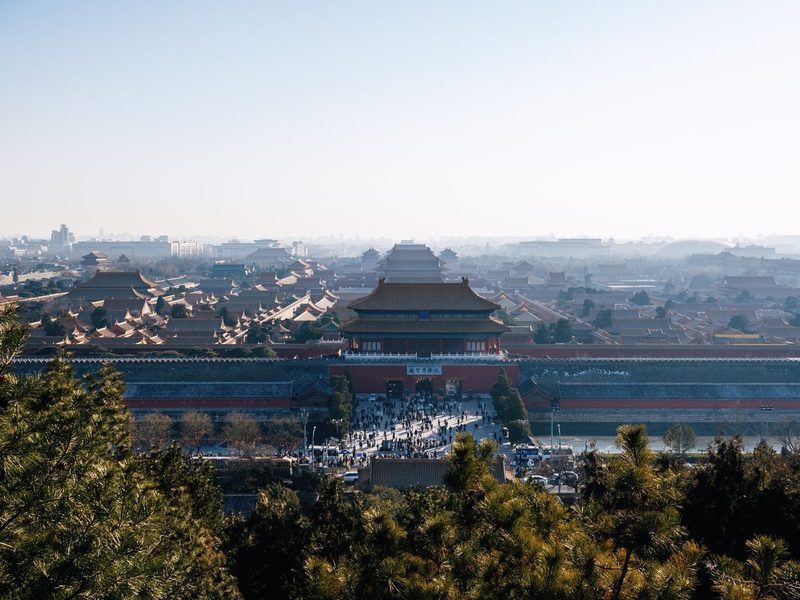 04–05mid Apr – MayThe two good weeks of spring
Peonies open on Jingshan, the wind drops, and the sky is at its clearest after a rain.
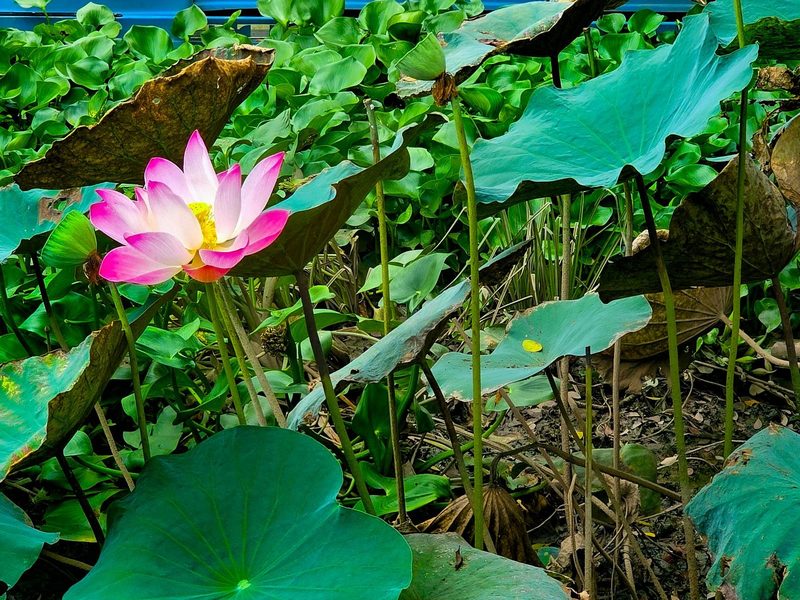 06–08Jun – AugLotus and long evenings
Beihai and the Summer Palace fill with lotus. After dark the lake bars at Shichahai are the reason to stay out.
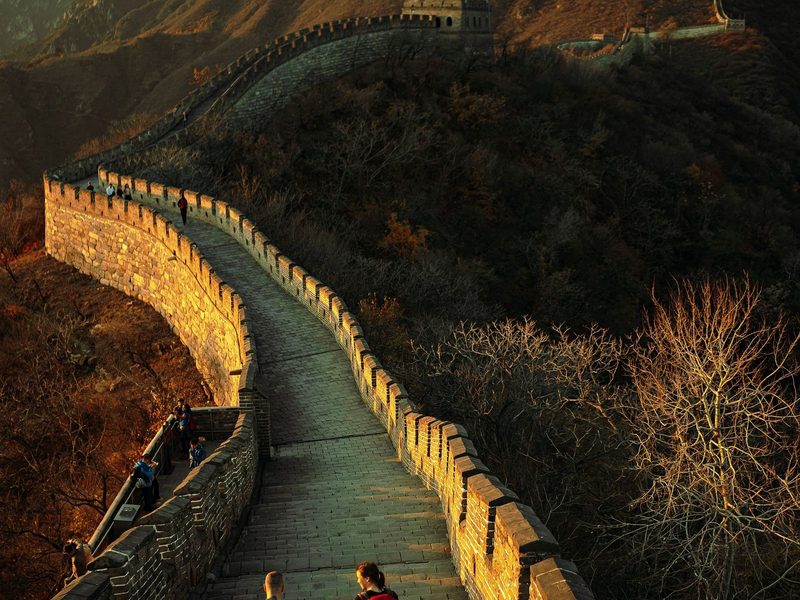 09–10Sep – OctBest visibility of the year
This is the window for the Wall: clear ridges, cool walking, and photographs that come out.
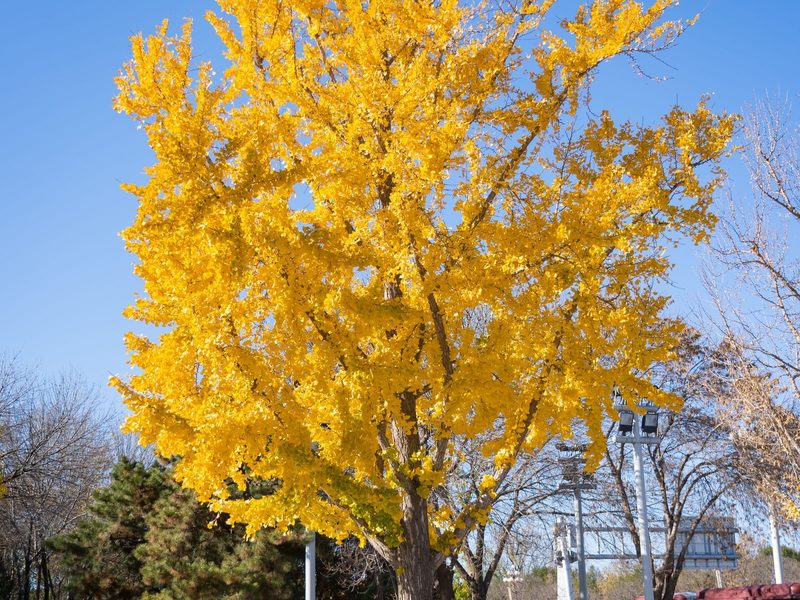 10–11late Oct – mid NovGinkgo and red leaves
The ginkgo outside Diaoyutai is a solid gold wall. Fragrant Hills is the crowded version — go on a weekday, early.
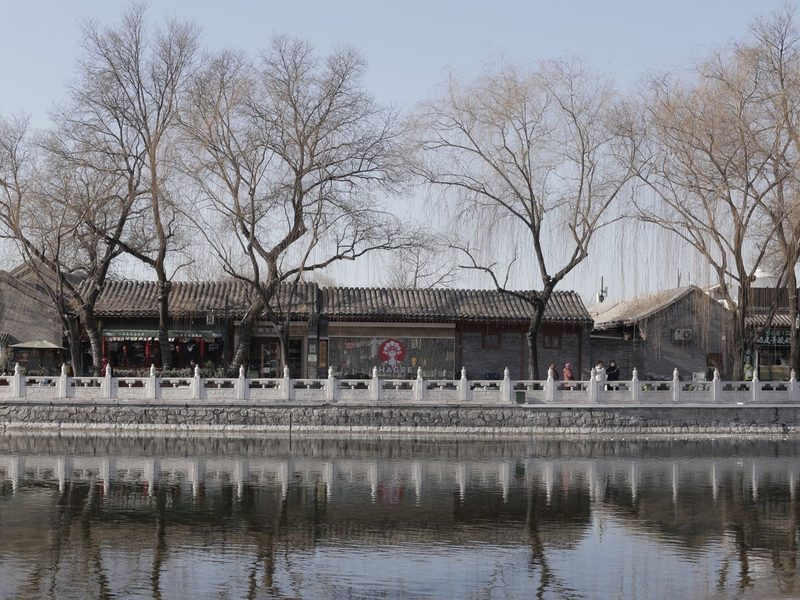 12–02Dec – FebIce, fairs and snow
Shichahai freezes over and the temple fairs run through the lunar new year. A thin snow on the palace roofs is the photograph people come for.
Four things about going out in China
Tickets come from one app
Big shows, exhibitions and festivals sell through one mini-program or Damai, usually with a passport number. Popular dates go a week or two ahead — there is no door sale.
Mondays close things
Museums and galleries shut on Mondays. Performances cluster on weekend evenings, so a Monday in town is a museum-free day by default.
Expect a bag check
Every venue screens bags. Large luggage is refused or has to be checked, so leave it at the hotel and carry something small.
Read the photo rules
Some halls ban tripods, some ban photography entirely, and temples ask you not to point a lens at worshippers. The sign at the door is the rule.
Beijing questions
How many days does Beijing need?
Three full days minimum for the Palace, the Wall and the hutongs without rushing. Four lets you add the Temple of Heaven, the Lama Temple and a proper park morning.
Which Great Wall section should I go to?
Mutianyu for the postcard view and the toboggan down; Jinshanling for quiet ridges with restored and wild wall side by side; skip Badaling. All are 1.5–2.5 hours from the centre.
Do I need to book the Forbidden City in advance?
Yes, and it is passport-linked. Tickets go on sale seven days ahead and sell out in minutes in peak season. It is closed every Monday, and there is no walk-up entry.
Is Beijing walkable?
The centre is, if you accept that "close" means two kilometres. The hutongs around Dongsi and Gulou are genuinely pleasant on foot; everything else is metro, and the metro is excellent.
What is the air actually like?
Much better than its reputation, and autumn is usually clear. Winter can have bad days — check the air-quality index the morning you plan a Wall trip, since visibility is the whole point.
Is Beijing expensive?
Less than Shanghai, a little more than Guangzhou. Metro rides are ¥3–9 (about $0.4–1.3), the Palace is ¥60 (about $8.6) in peak season, a whole duck runs ¥200–300 (about $29–43), and a mid-range hotel is ¥450–700 (about $64–100).
Want this city arranged around your dates?
One email, no forms. Tell us when you land and what you like eating.
Plan with us →Keep exploring
City guide
Where the city splits, when to come, and how to spend a first day.
02Destinations
The neighbourhoods and day trips worth the trip out.
03Itineraries
Ready-made routes by length, with fixes for rain and closed museums.
04Eat & Play
What to order, where to sit, and what to do after dark.
05Stories & Guides
The long reads — history, culture and the questions visitors get wrong.
06Trip Essentials
Payments, trains, data, language — the same in every city.
07Plan With Us
Send your dates and we send back a day-by-day plan.