Six in the Morning at Shajinqiao
I went to Shajinqiao expecting breakfast and found a street running at full speed while the rest of Xi'an was still asleep. By nine it was almost over.
The street is already loud at six
I got off the metro near the Bell Tower at ten past six and walked north. The main visitor street was shuttered and grey. One lane further on, Shajinqiao was already running at full volume — steam off the griddles, a man slapping dough into a flatbread, someone shouting an order into a phone, bicycles threading through people with baskets.
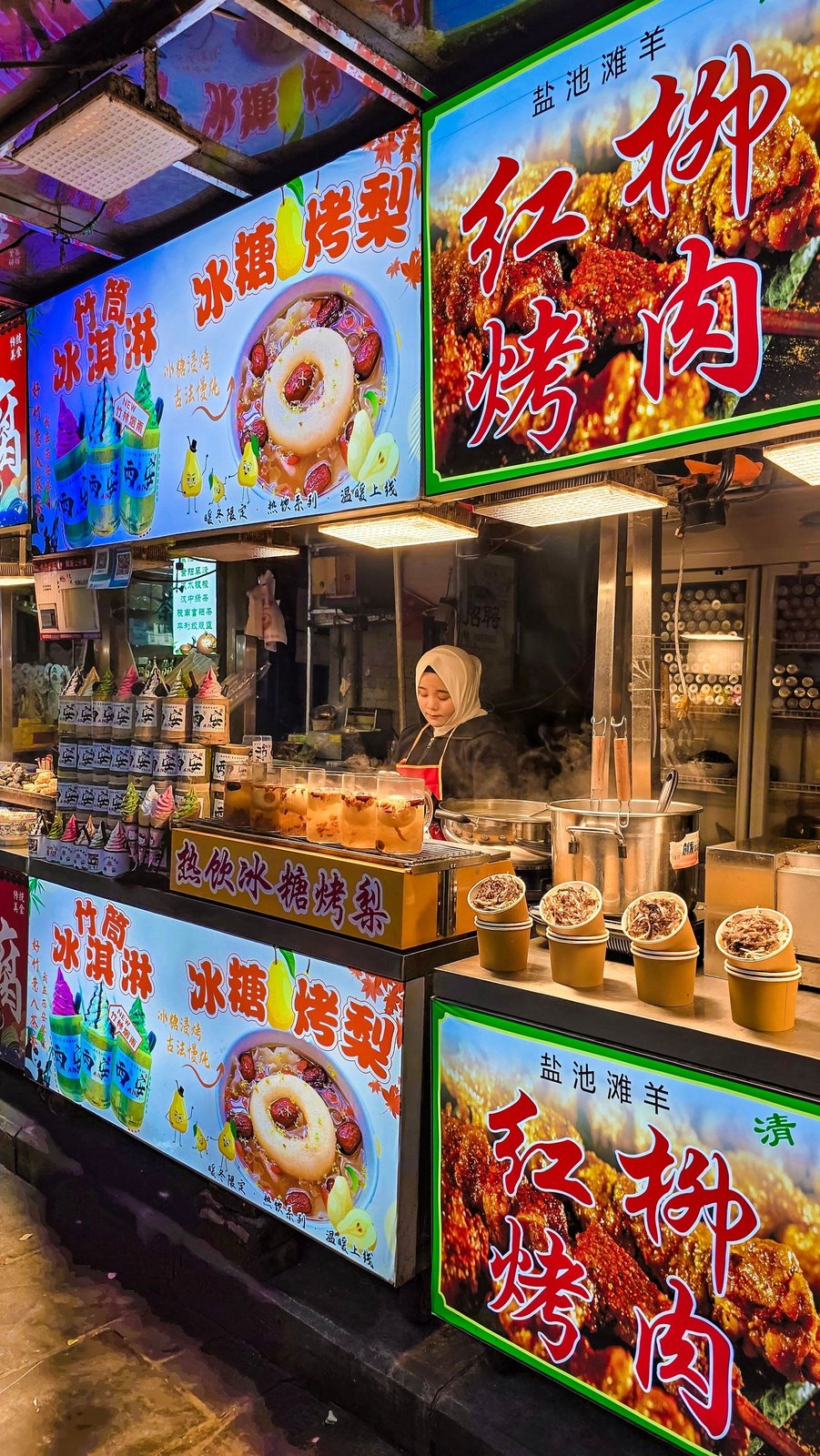
It took me a moment to understand that this was not a market set up for visitors. Nobody was taking photographs. The people queueing were in work clothes, buying breakfast on the way to something else, and they knew exactly which stall they wanted.
The bun comes first
I bought a roujiamo, ¥10–15 (about $1.4–2.1), from a shop with a line of six. The bread had come out of the oven minutes earlier and the pork was chopped fine and moist with braising liquid. This is a food that collapses if you wait, so I ate it standing up, over the paper wrapper, like everyone around me.
Next to it a woman was cutting zenggao from a huge steamed block — sticky rice and red dates, dense enough to hold a shape, about ¥10 (about $1.4) a piece. She wrapped it in paper and put it in a basket with two more. A bowl of meatball hulatang, peppery and thick with vegetables and bread, was what the older men at the next stall were having. I understood why: at six in a Xi’an winter, it is the only breakfast that makes sense.
What the morning shows you
The Muslim Quarter you meet in the afternoon is a different place. By then the lanes are packed, the signs are brighter and the shops are selling to people holding cameras. At six the same shops are feeding the neighbourhood. The prices are the same or lower; the difference is entirely in who the food is for.
I walked a little further and found the butchers setting up, hanging cured beef in rows, and a small crowd around a cart selling sour plum drink despite the cold. Nobody hurried me, nobody tried to sell me a tour. A few people looked at me with the mild curiosity you get in a place where a foreigner is not expected at that hour.
By nine it is gone
I went back at half past nine. The steam was gone, the stools were stacked and a couple of shops had shutters down. The street had become an ordinary narrow lane with a few tourist stalls. I had seen the whole thing in three hours and it already felt like a different city.
The thing I keep remembering
Xi’an rewards you for getting up. Not in a noble way — there is no lesson about authenticity here, just a practical fact. The city’s best food is made for people who start work early, and it disappears when they finish eating. The famous street gets the visitors; the early street gets the breakfast.
If you come, make one morning deliberately early. Do not plan a route, just walk north from the Bell Tower and eat whatever has a queue. It is the cheapest and most reliable good hour in the city.
Related
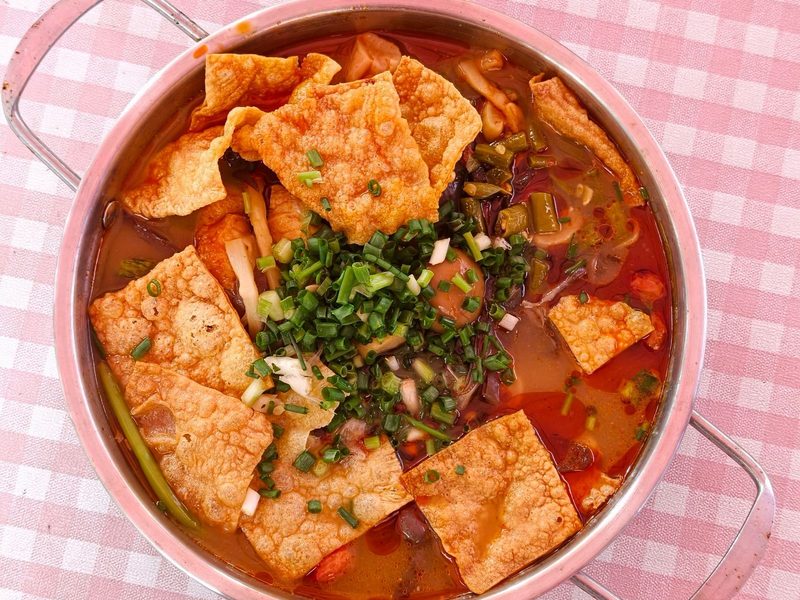
A Chongqing Night in Nine Squares
Hotpot is not a meal here; it is how a Chongqing day ends. Learn the nine-grid pot and the order of the dishes and you have actually eaten hotpot.
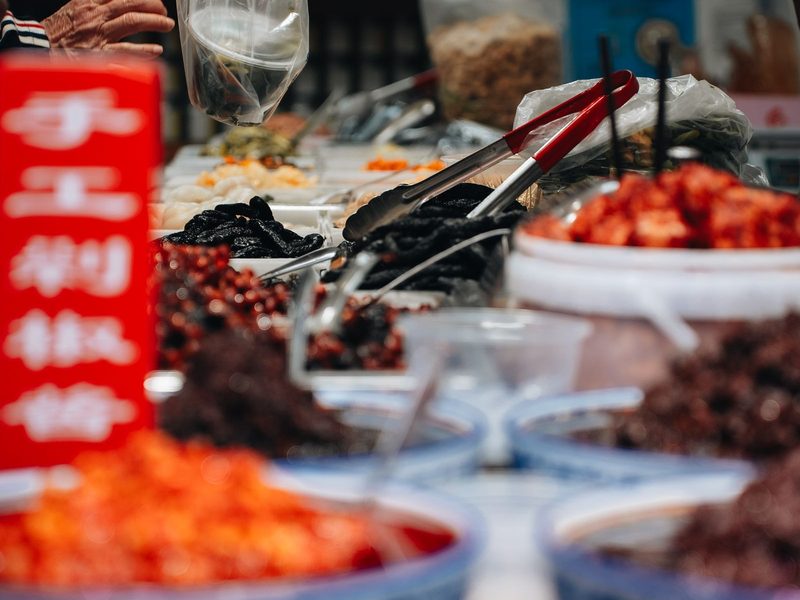
A Shanghai Morning Before the Cafés Open
Visitors are still asleep when the local market is already winding down. Join the queue at a stall, watch a bunch of spring onions being weighed, and you have brushed up against a real Shanghai morning.
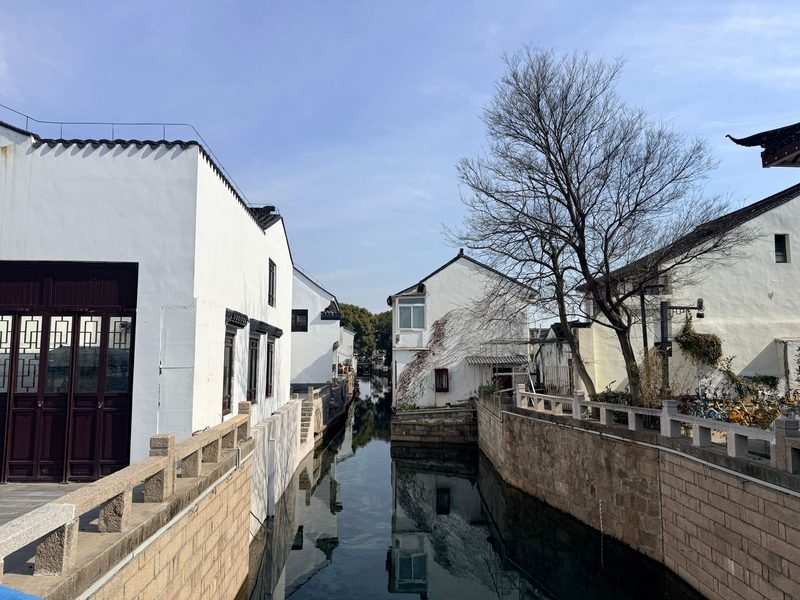
A Slow Morning on Pingjiang Road
A noodle shop at seven, an empty stone street before nine, a boat on the water. The best thing about Pingjiang Road is not any one shop — it is that you can take a whole morning at your own pace.
Want a plan that fits your dates?
Tell us your dates, budget and what you actually like doing — we will send back a day-by-day plan by email. No charge for the first draft.
Plan with us →