A Slow Morning on Pingjiang Road
A noodle shop at seven, an empty stone street before nine, a boat on the water. The best thing about Pingjiang Road is not any one shop — it is that you can take a whole morning at your own pace.
Seven o’clock, and the noodle shop is full
On my first day in Suzhou I deliberately planned no sights. At seven in the morning I walked into a noodle shop in the old town and found it already full. Everyone had a bowl in front of them, broth clear enough to see the bottom, a piece of braised pork laid across the noodles, its fat part trembling. Nobody spoke. People ate fast, ten minutes a bowl, and left.
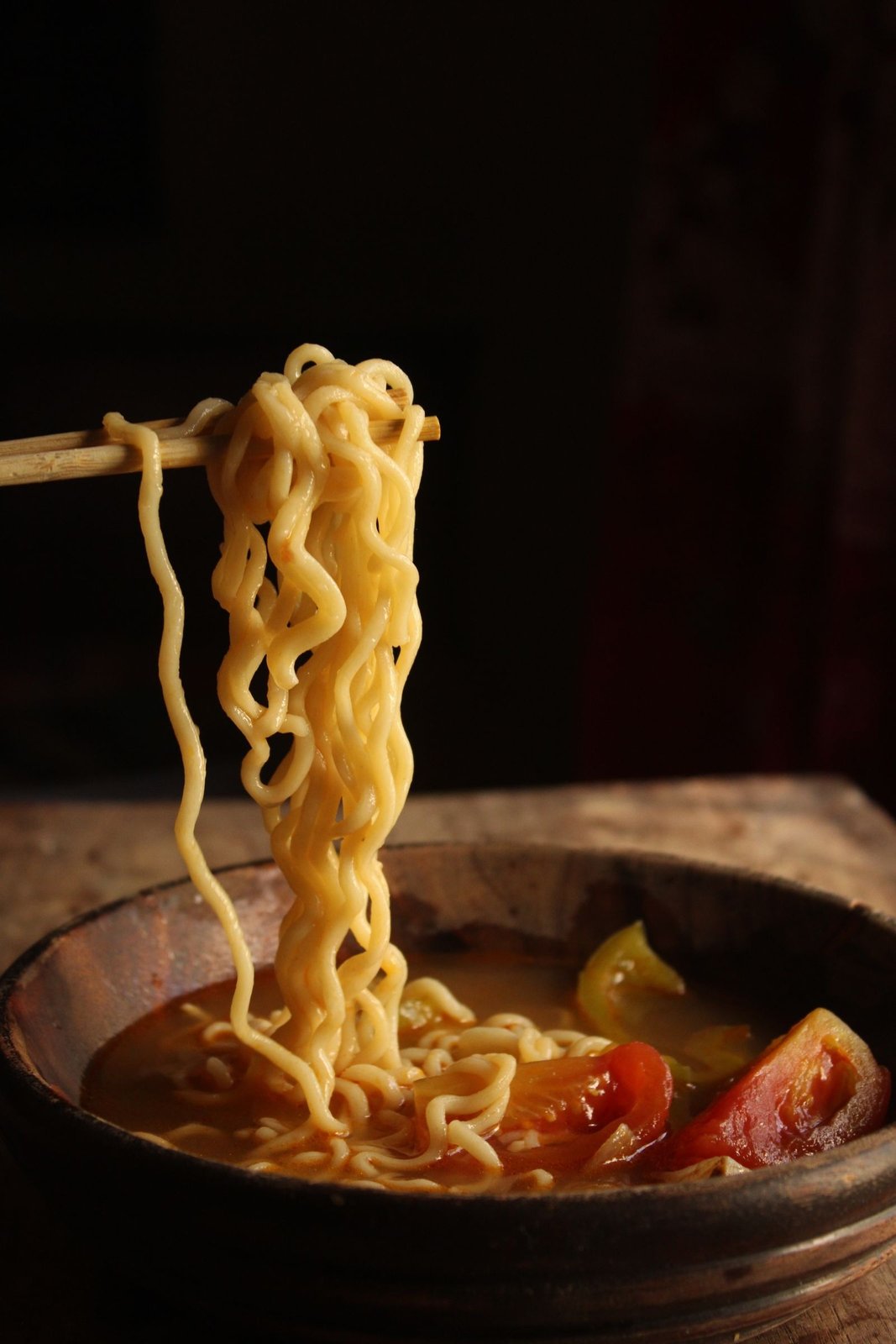
The owner asked if I wanted the first brew. I said yes, and only later learned what it means — the first pot of the morning, the clearest broth, which regulars get up early for. The bowl was ¥20–40 (about $2.9–5.7), so cheap I felt awkward ordering only one.
Before nine, the street is empty
After breakfast I walked to Pingjiang Road. It was not yet nine. The shop shutters had just come down, the stone paving was empty, and a thin mist lay on the canal. On one bank, whitewashed houses and stone railings, someone brushing their teeth or washing vegetables at the door; on the other, an old woman walking slowly with a basket.
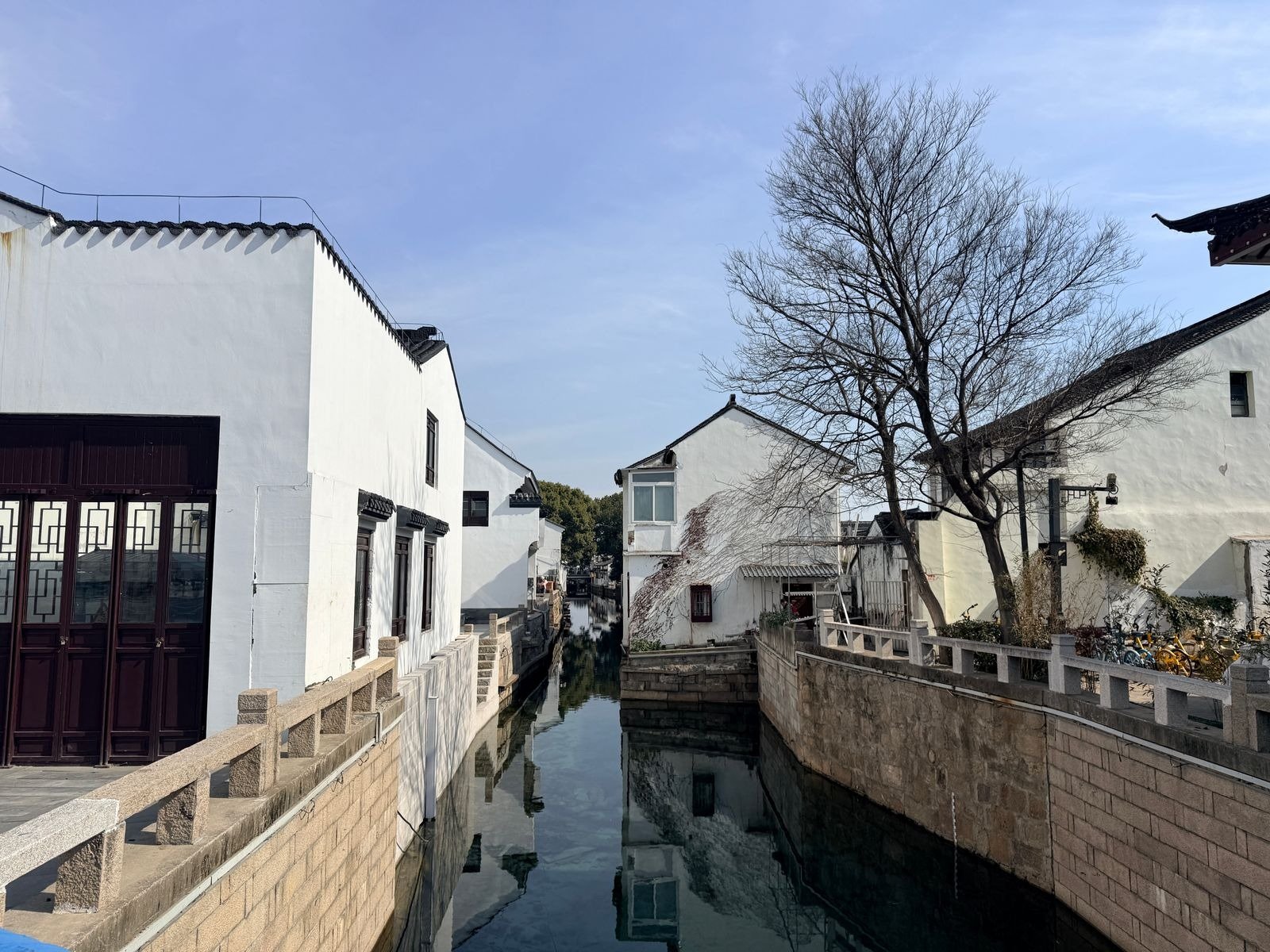
This is a different street from the one I saw in the afternoon. By then every shop is open and visitors pack the photo spots; now the begonia-cake stall has only me in front of it, the owner cooking to order, the smell of caramel carrying a long way. One cake is ¥8 (about $1.1), crisp outside, soft within, red bean paste in the middle.
A boat passes under the bridge
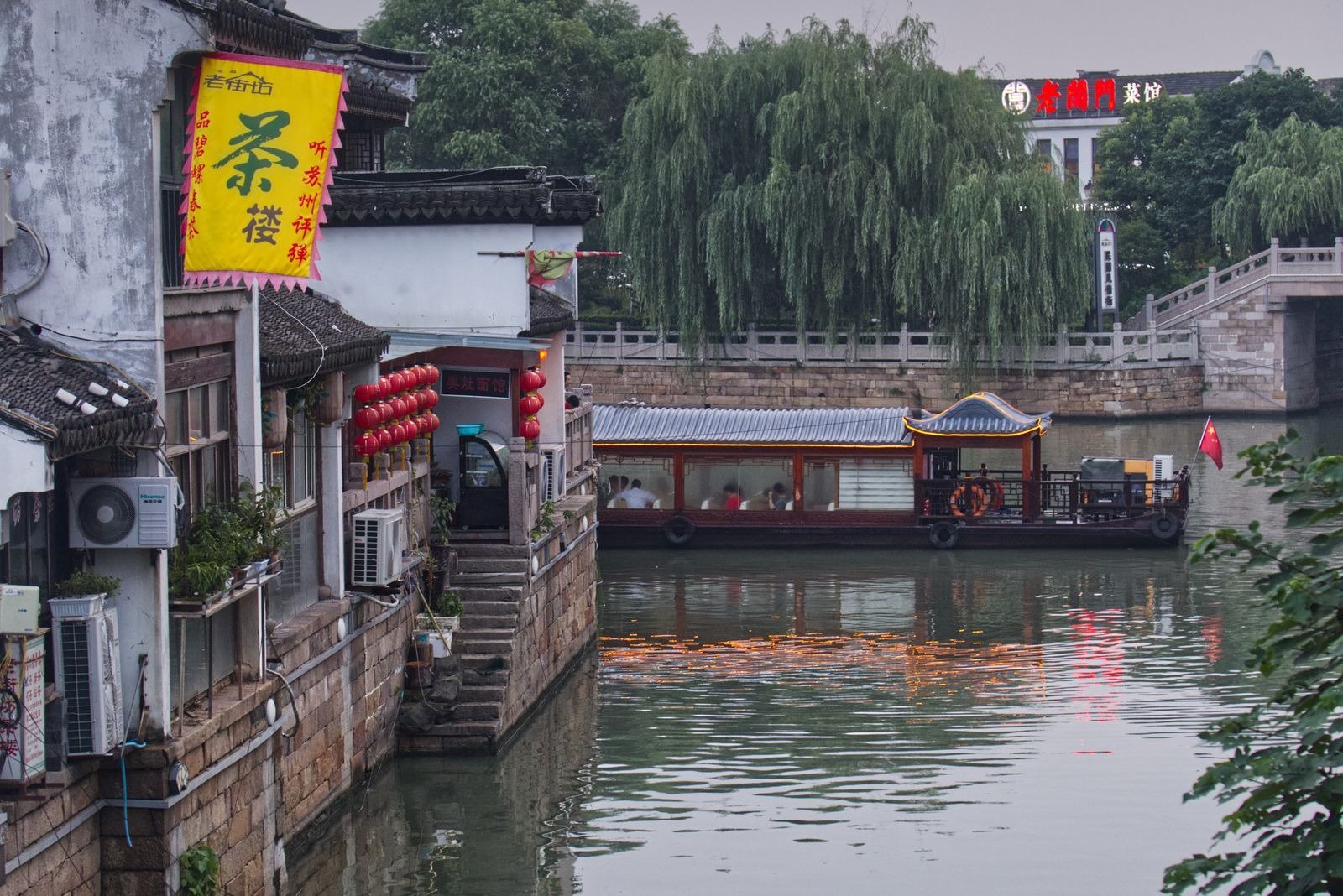
Around ten, boats started appearing on the water. A rowing boat went under a bridge arch, the boatwoman working an oar at the stern, the sound of water very light. I did not get on. Standing on the bridge, watching the boat pass beneath, I could read the shape of the street better than from the boat — houses pinching the canal on both sides, bridges stitching them together.
Later I turned into the cross lanes. They led into a residential district with laundry lines, bicycles by the doors and vines on the walls. No signs, no souvenirs — but the most lived-in face of Pingjiang Road. Coming back to the main street after those lanes, I found I was no longer in a hurry to reach the next sight.
What that morning taught me
Suzhou is not a city to rush. I used to fill every hour of a trip with plans and come home remembering only queues and sprinting. On Pingjiang Road I did just three things: ate a bowl of noodles, walked a street, watched a boat. I still remember all three clearly.
If you come to Suzhou, try leaving the first morning open. Don’t research which shop is a must. Walk along the canal, go into the place beside you when you are hungry, sit on a bridge stone when you are tired. This city keeps its best things for people who slow down.
Related

A Chongqing Night in Nine Squares
Hotpot is not a meal here; it is how a Chongqing day ends. Learn the nine-grid pot and the order of the dishes and you have actually eaten hotpot.
A Shanghai Morning Before the Cafés Open
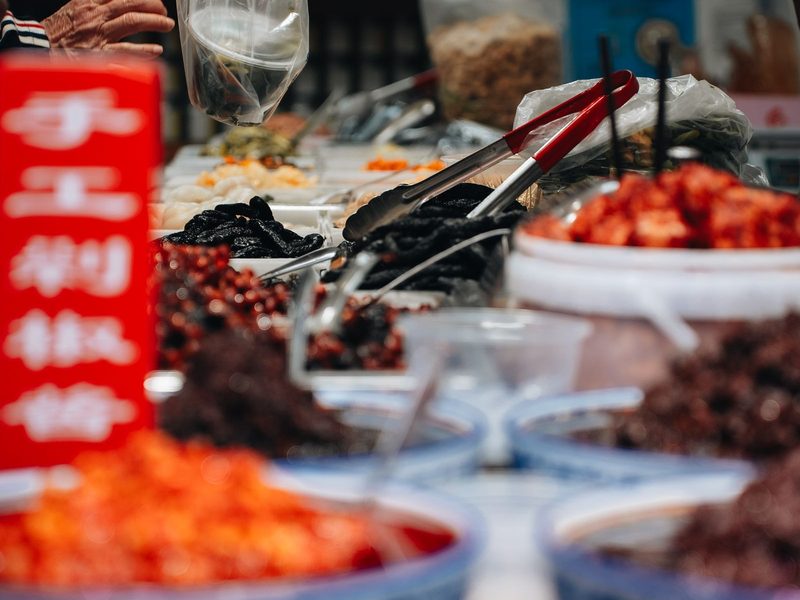
Visitors are still asleep when the local market is already winding down. Join the queue at a stall, watch a bunch of spring onions being weighed, and you have brushed up against a real Shanghai morning.
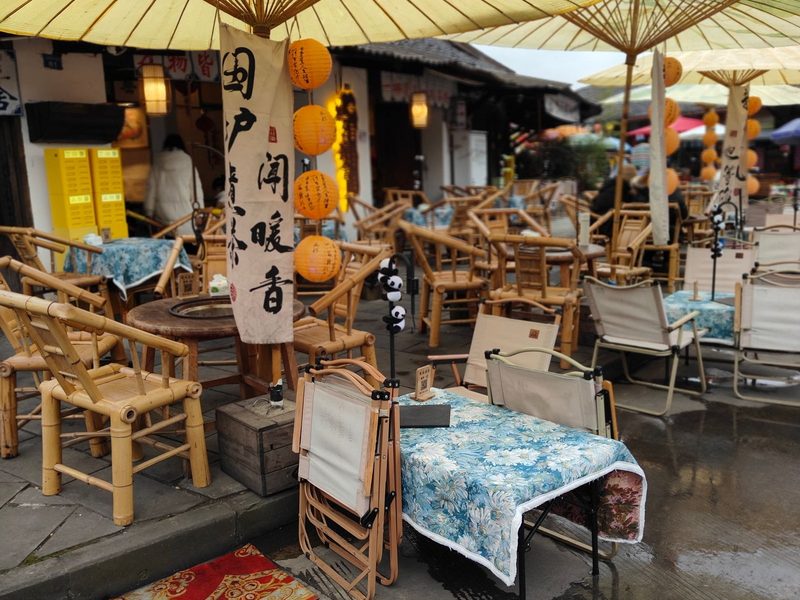
An Afternoon in a Bamboo Chair, a Chengdu Teahouse Record
A Chengdu teahouse is not a sight, it is the local living room. Swap stories, get your ears cleaned, watch the street pass — sitting down is the point.
Want a plan that fits your dates?
Tell us your dates, budget and what you actually like doing — we will send back a day-by-day plan by email. No charge for the first draft.
Plan with us →