A Cup of Pre-Qingming Tea in Longjing Village
The tea year starts before Qingming. Picking, roasting and brewing — a single cup holds the rhythm of a whole hillside.
The busy weeks before Qingming
Longjing village sits in the hills southwest of West Lake, about ¥30–50 (about $4.3–7.1) by taxi from the lakefront. The fortnight before the Qingming festival is the busiest time: the rows are full of people bent over, picking a single bud and one leaf. Picking is a matter of touch — too much fingernail makes the tea bitter, so the old farmers lift the leaf with their fingertips.
Bamboo trays of fresh leaves lie out to dry in the courtyards. At a doorway someone roasts tea in an iron wok, hands flying through the hot pan, too hot for onlookers to come close. The smell of roasted beans carries half way down the lane.
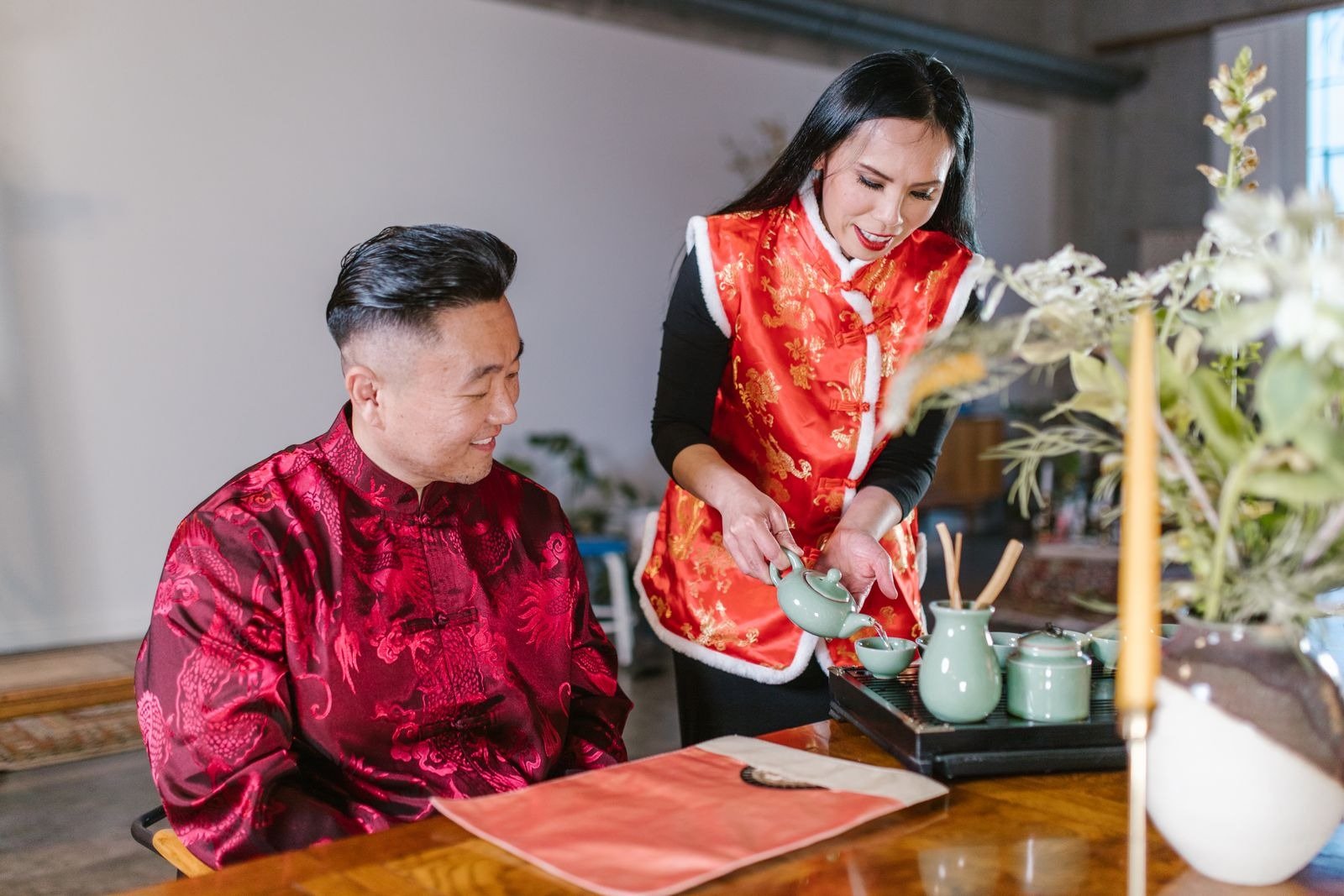
How a cup is brewed
Many people think Longjing takes boiling water. It does not. Pre-Qingming leaves are too tender; let the water cool to around 80°C, wet the leaves with a little first, then pour from a height. A glass is best, so you can watch the leaves stand upright and slowly sink.
Do not refill the same cup too many times — after three brews the flavour is gone. Refills are free in a teahouse, but good tea tells you when it is finished.
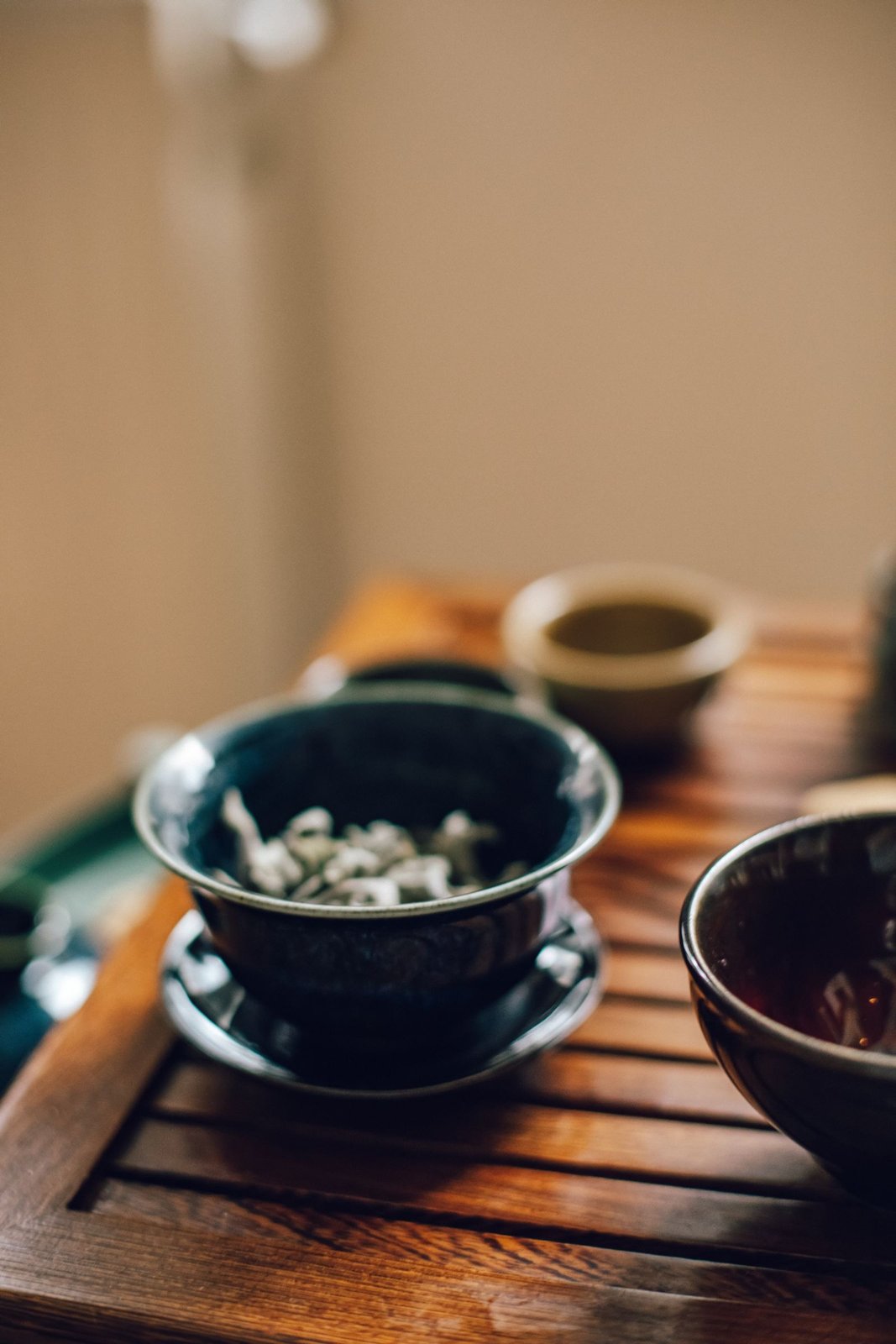
An afternoon in the tea gardens
In Longjing village or Mejiawu, take any table outside a farmer’s house. A cup of Longjing is ¥30–80 (about $4.3–11) and the seat is yours for the afternoon. The price follows grade and season, with pre-Qingming the best and the dearest. Ask which hillside it came from before you order; most owners are happy to tell you.
The snacks are simple — sunflower seeds, peanuts, a small cake. The point is the hill outside the cup, terraces of tea rising up the slope, with a smell of fresh grass in the wind.
What to take home
Do not buy at the first shop by the entrance. Tea is priced by grade and origin; loose leaves at a Longjing village house run about ¥80–200 (about $11–29) for 50 grams, while gift boxes cost much more. Ask two questions before paying: is it pre-Qingming, and which village is it from? Shifeng, Longjing, Yunqi, Hupao and Mejiawu are the traditional growing areas, and a shop that agrees on its answer is more reliable.
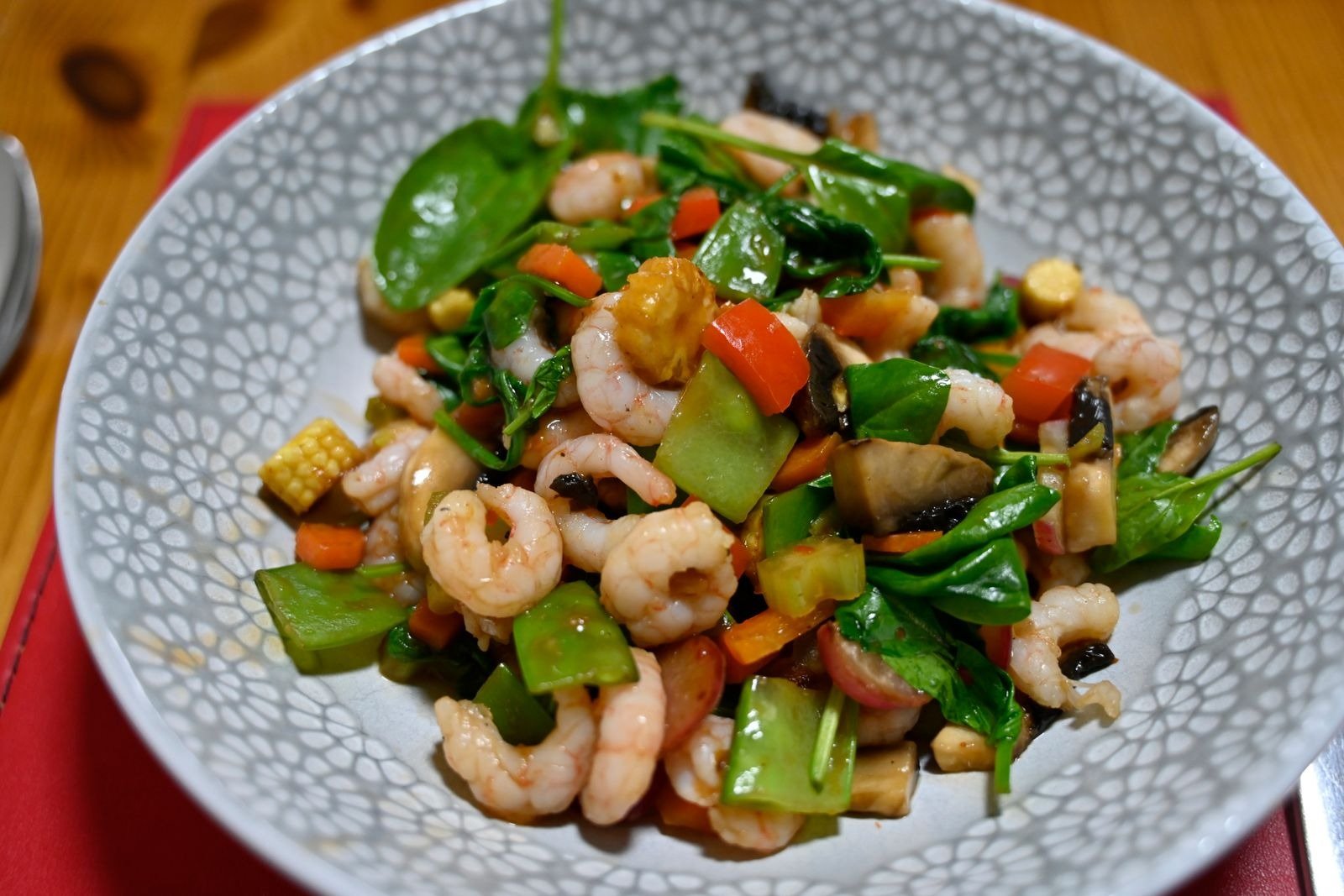
If you cannot carry much tea home, order Longjing shrimp for lunch in the village. Tender leaves are stir-fried with river prawns, the tea fragrance wrapping the sweetness of the shrimp. That mouthful tastes more like Longjing than any tin you could take away.
Related
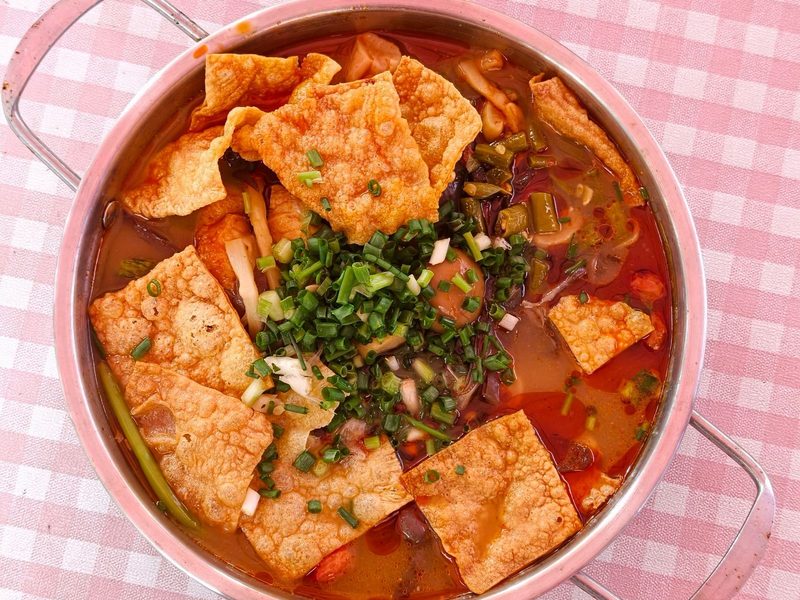
A Chongqing Night in Nine Squares
Hotpot is not a meal here; it is how a Chongqing day ends. Learn the nine-grid pot and the order of the dishes and you have actually eaten hotpot.
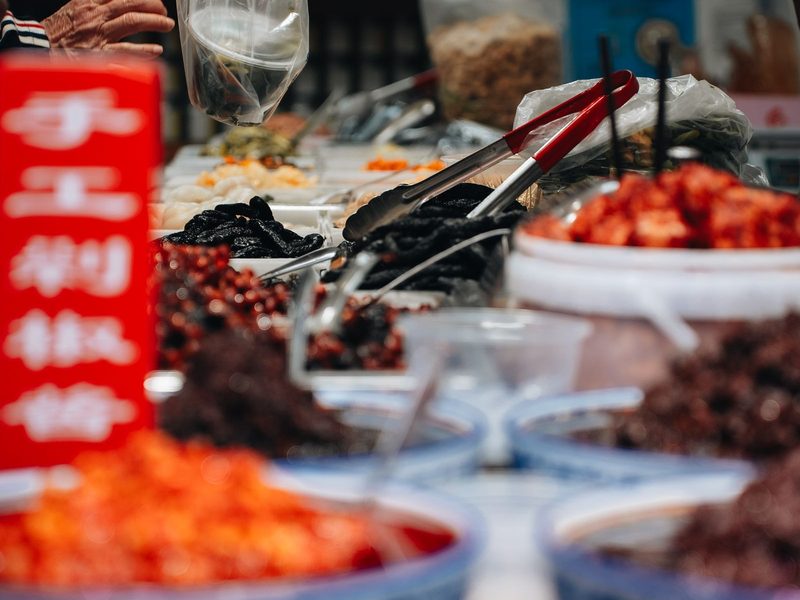
A Shanghai Morning Before the Cafés Open
Visitors are still asleep when the local market is already winding down. Join the queue at a stall, watch a bunch of spring onions being weighed, and you have brushed up against a real Shanghai morning.
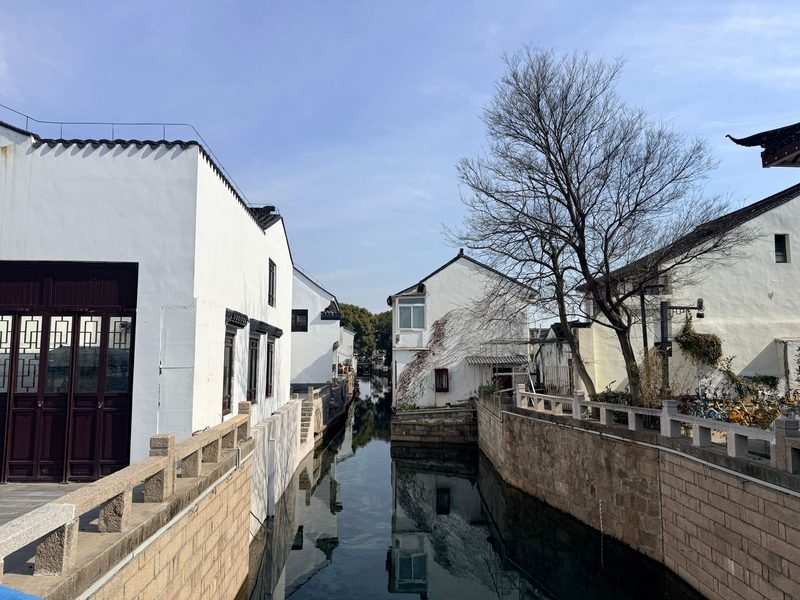
A Slow Morning on Pingjiang Road
A noodle shop at seven, an empty stone street before nine, a boat on the water. The best thing about Pingjiang Road is not any one shop — it is that you can take a whole morning at your own pace.
Want a plan that fits your dates?
Tell us your dates, budget and what you actually like doing — we will send back a day-by-day plan by email. No charge for the first draft.
Plan with us →