The Wall without the cable car
Give up the cable car and the Great Wall stops being a postcard and becomes a breathless stretch of path. That is what it actually is.
The day before we went, a friend asked, “Are you taking the cable car?” I said no. He said I would regret it.
I did not regret it. I did, however, spend a lot of time breathing hard.
Beijing before it wakes
Leaving at six-thirty, the city was still empty. Taxis queued, a breakfast stall was just opening, and the metro was full of commuters. Past the Third Ring the buildings got lower and the trees more numerous.
Two hours later we reached Jinshanling. Entry was ¥65 (about $9.3) and visitors were thin on the ground. The guard at the gate said mornings were quietest and the tour groups came later.
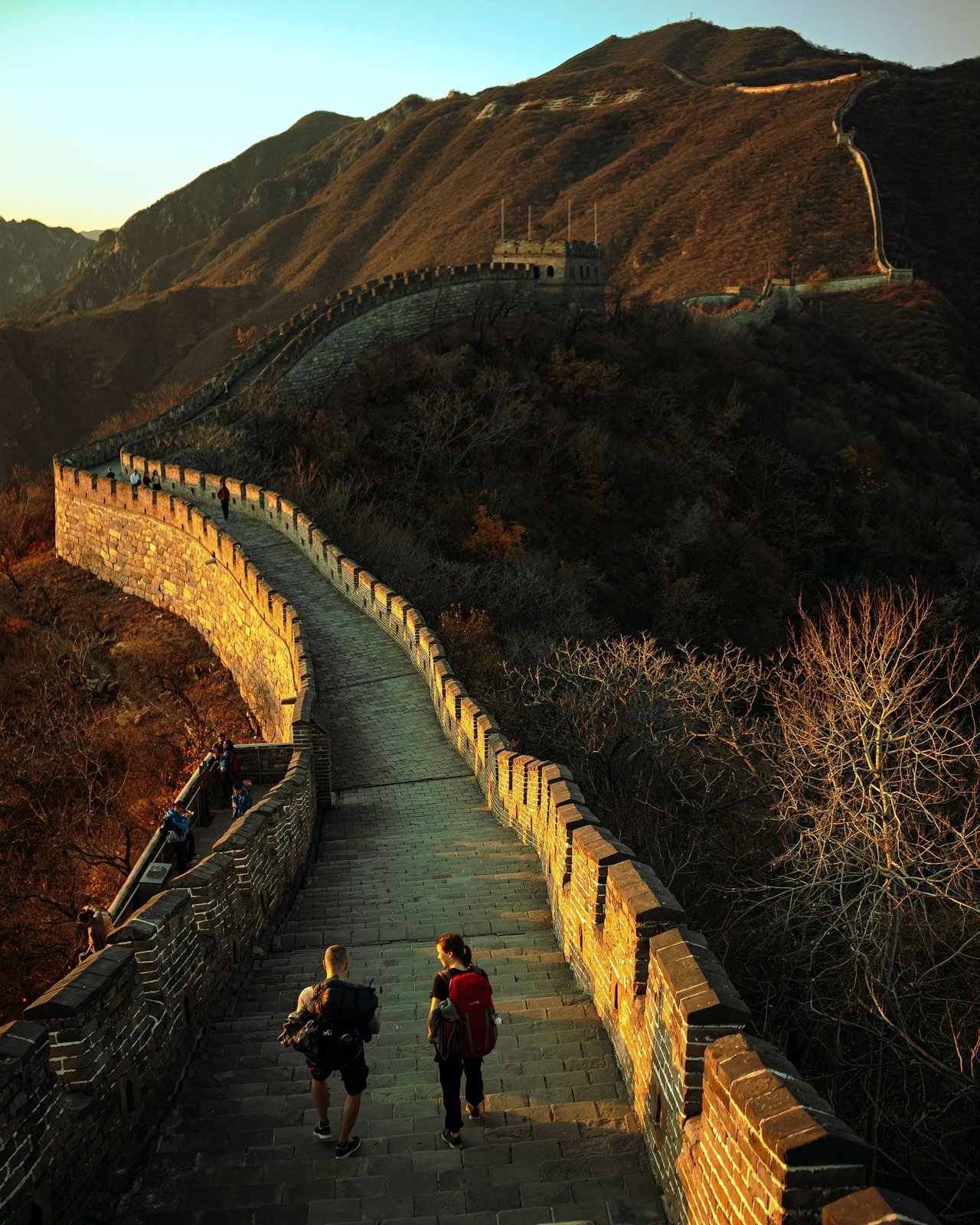
From the foot of the hill the wall did not look like the straight line in photographs. It rose and fell along the ridge, vanished behind a slope and reappeared on the next summit. Some crenellations were intact; others had collapsed into a pile of brick. That was the point, for me.
The steps are harder than you expect
The path up onto the ramparts is narrow brick steps, steep enough that some stretches must be close to fifty degrees. Every twenty minutes I had to stop — not from tiredness, exactly, but because my legs were shaking.
From the first watchtower to the third took forty minutes. We met only two other people, a German couple who had also walked up. We nodded at each other and said nothing — there was not enough breath left to talk.
The wind up there was strong and dried the sweat. The brick, heated all morning, was hot to touch. I drank half my water and began to regret not carrying two bottles.
What walking buys you
You can see the wall from a cable car, but you have arrived at it rather than walked it. On foot you notice the grass growing out of the mortar, the sections repaired more neatly than others, and the corner where the whole wall suddenly lies below you in one line. No cable car gives you that.
At midday I sat in the shade of a watchtower and ate dry rations. East and west, there was wall after wall. I understood why my friend had asked: he was afraid I would give up. I was afraid of missing the walk.
On the way back
Walking down at three, my legs were already soft. Passing through Huairou on the way back, we saw roadside stalls selling souvenirs stamped with the word “Great Wall”. In the city we got stuck on the North Fourth Ring, and the people in the next car were eating fried chicken.
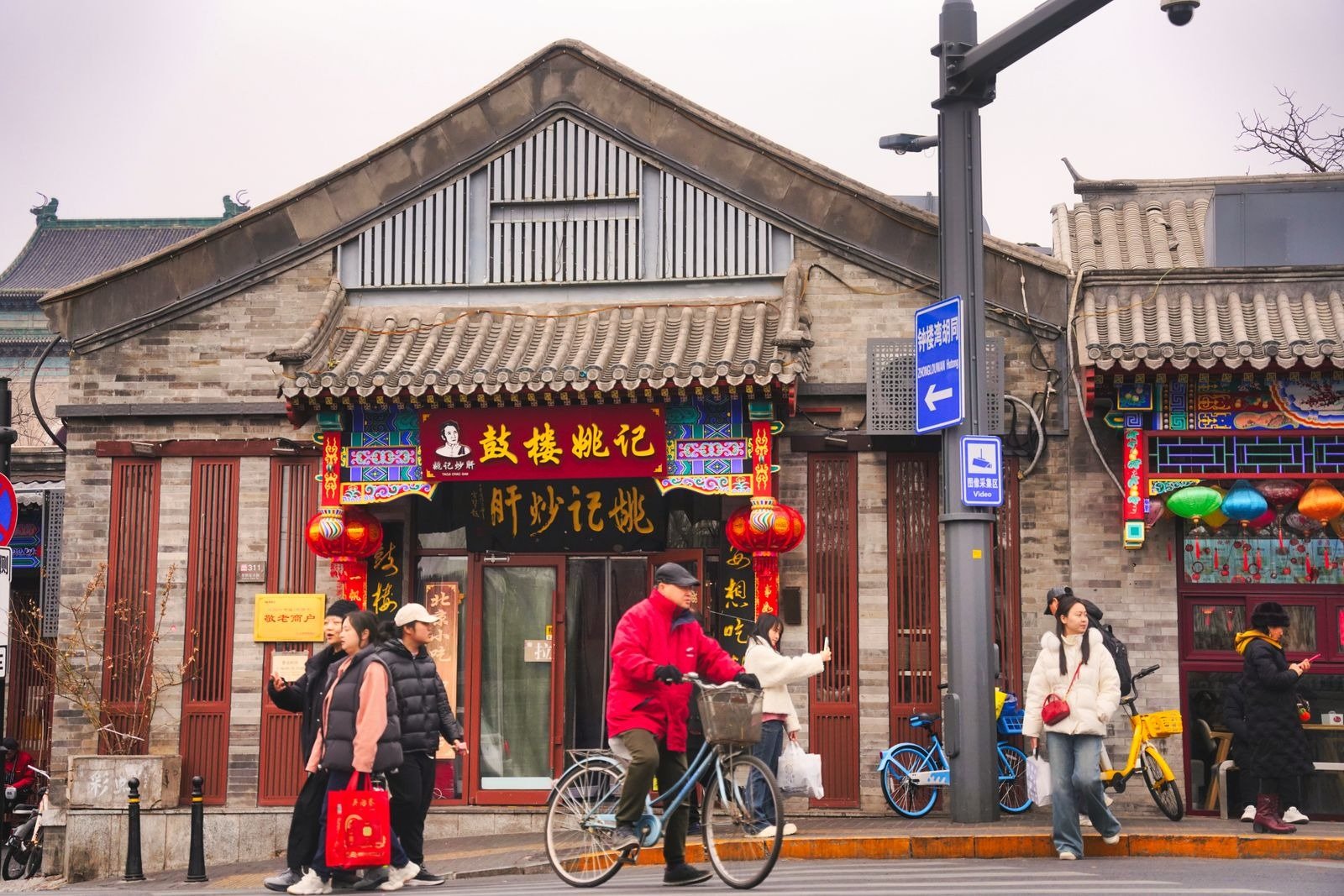
I did not go to any other sight that evening. Noodles at a hutong restaurant, then sleep. The next morning my legs still ached, but my head was full of that ridge — much longer and much more real than I had expected.
If you go, remember three things: shoes with grip, more water than you think you need, and a weather check before you leave. In heavy haze the wall ahead of you is simply white, and that is when you will actually regret it.
Related
A Chongqing Night in Nine Squares
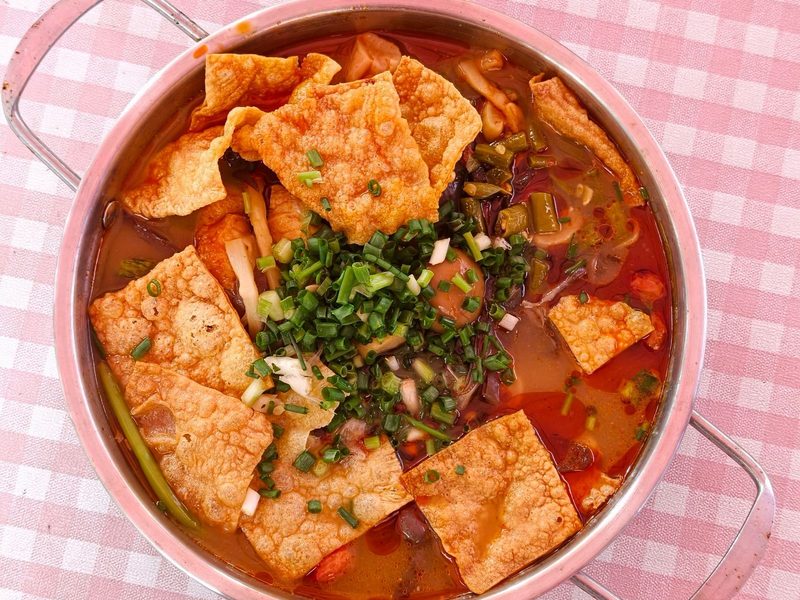
Hotpot is not a meal here; it is how a Chongqing day ends. Learn the nine-grid pot and the order of the dishes and you have actually eaten hotpot.
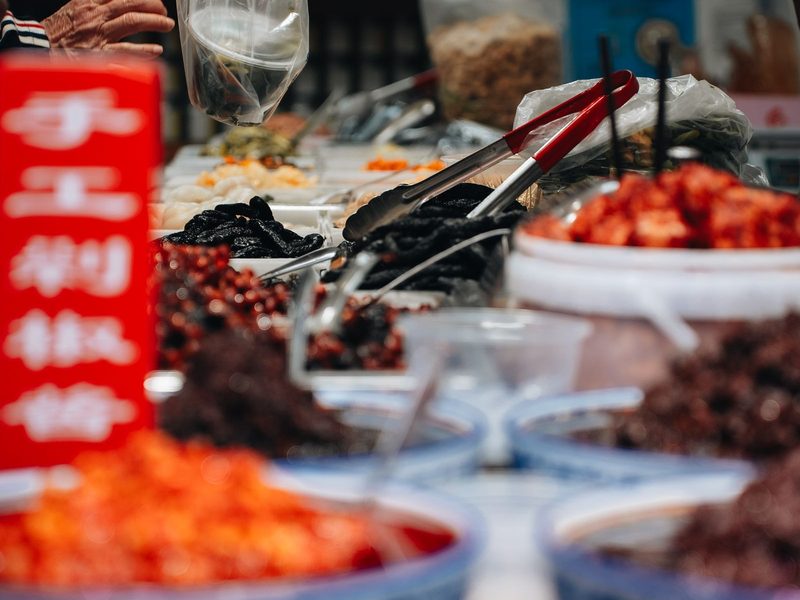
A Shanghai Morning Before the Cafés Open
Visitors are still asleep when the local market is already winding down. Join the queue at a stall, watch a bunch of spring onions being weighed, and you have brushed up against a real Shanghai morning.
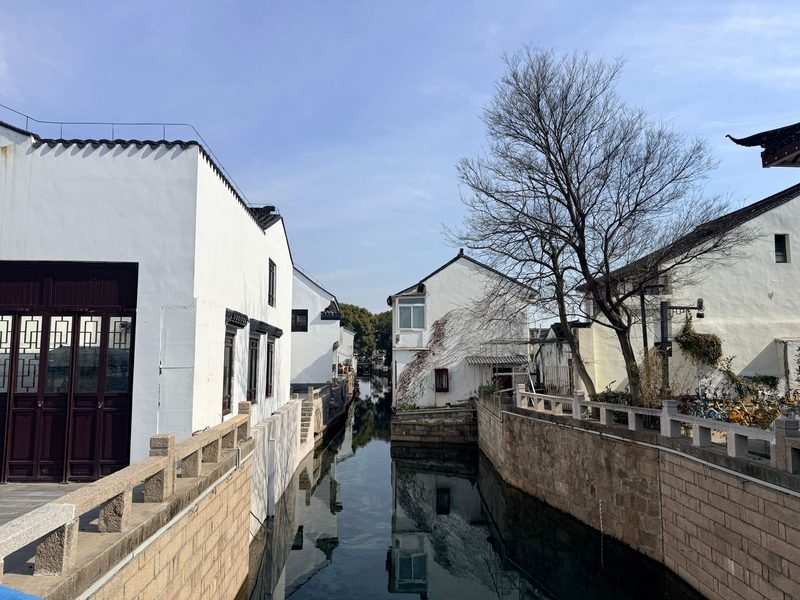
A Slow Morning on Pingjiang Road
A noodle shop at seven, an empty stone street before nine, a boat on the water. The best thing about Pingjiang Road is not any one shop — it is that you can take a whole morning at your own pace.
Want a plan that fits your dates?
Tell us your dates, budget and what you actually like doing — we will send back a day-by-day plan by email. No charge for the first draft.
Plan with us →