Three Days in Chongqing, Climbing and Eating
One day for the old town and stairways, one for the cableway and the lights, one for Wulong's natural stone bridges. There are slopes and steps everywhere — good shoes matter more than a good plan.
- Duration
- 3 days
- Budget
- ¥900–1,400 (about $129–200) per person, excluding accommodation
- Stops
- 11
Breakfast of xiaomian
¥8–15 (about $1.1–2.1) at a street stall, chilli and Sichuan pepper mixed to order. Saying how much heat you want is how the day starts here.
A mountain stairway
Paths between apartment blocks — balconies on one side, steps down to the river on the other. Nothing explains the terrain better.
Hotpot near Jiefangbei
¥100–200 (about $14–29) a head. Order mild on a first visit; tripe and duck intestine need only ten-odd seconds.
Eling Park and Kansheng Tower
Two rivers bracketing the city, and the sunset. The park is free; the old printing works nearby is now a studio quarter.
Hongya Cave at night
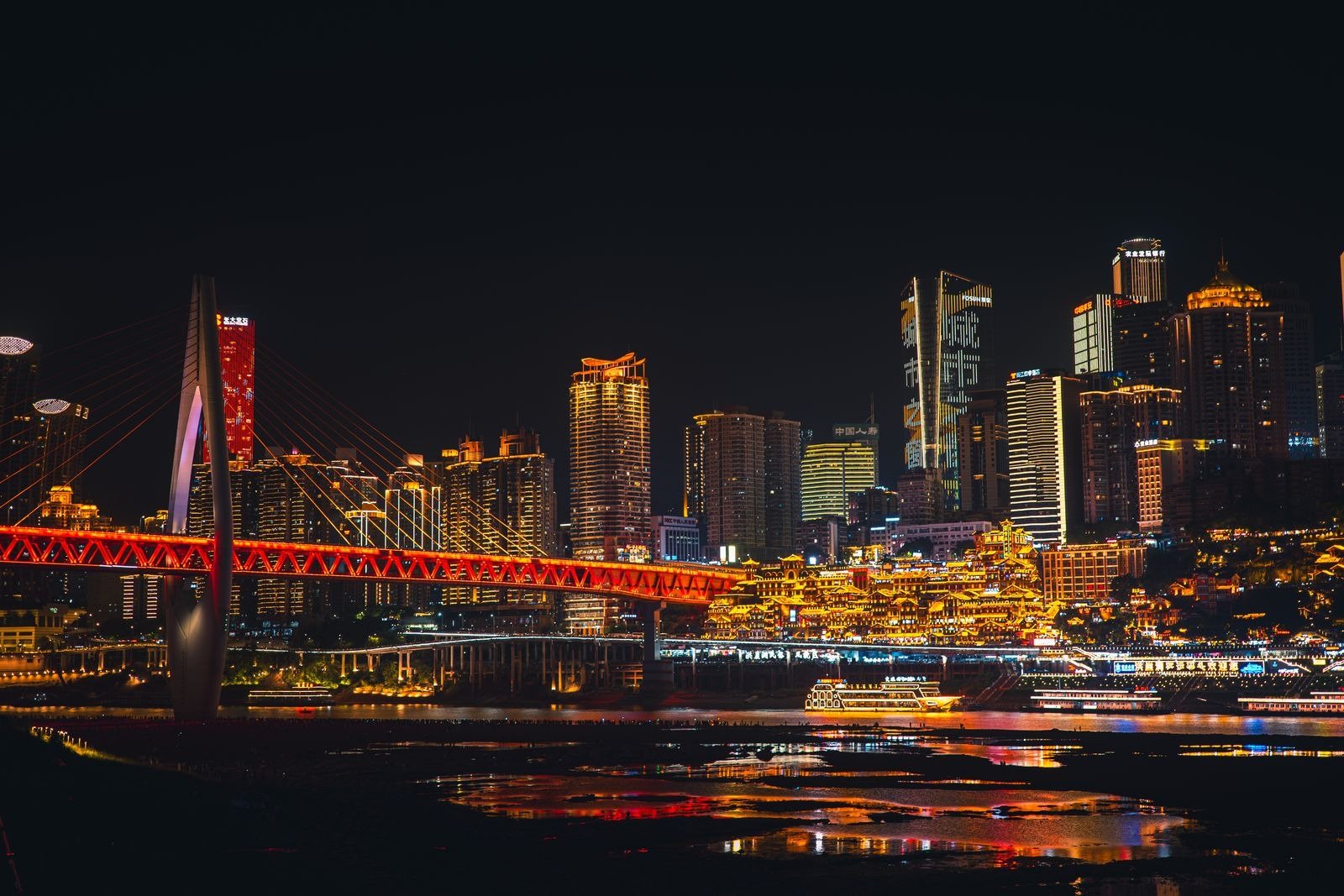
The stilted houses light up after dark. See the whole facade from across the Jialing or from Qiansimen Bridge rather than joining the crowd inside.
Ciqikou Ancient Town
Arrive early for the quiet old street. Chen's twisted dough, mao xue wang and hot-and-sour noodles all along the way.
Yangtze River Cableway
¥20 (about $3) one way, Xinhua Road to the south bank. If the queue is long, skip it and view the river from the other side instead.
Riverside promenade
Walk the south bank facing the Yuzhong peninsula — one of the classic Chongqing views.
Two-river night cruise
From ¥50 (about $7.1), frequent departures. The lit banks look different from the water. Pick a clear evening.
Wulong Three Natural Bridges
Entry and shuttle about ¥135 (about $19). A two-hour train from Chongqing North means an early start for a same-day return.
Back in town for Jianghu cooking
After a long day, find a place to sit down. Take the chilli at your own pace.
Day one, learn the terrain
Do not rush the landmarks on day one. Start with a bowl of xiaomian at a street stall — chilli and Sichuan pepper mixed to order, a few yuan, an ordinary local morning.
Then walk a mountain stairway. The path threads between apartment blocks, balconies on one side and steps down to the river on the other. One walk tells you more about why this city is built in layers than any viewpoint could.
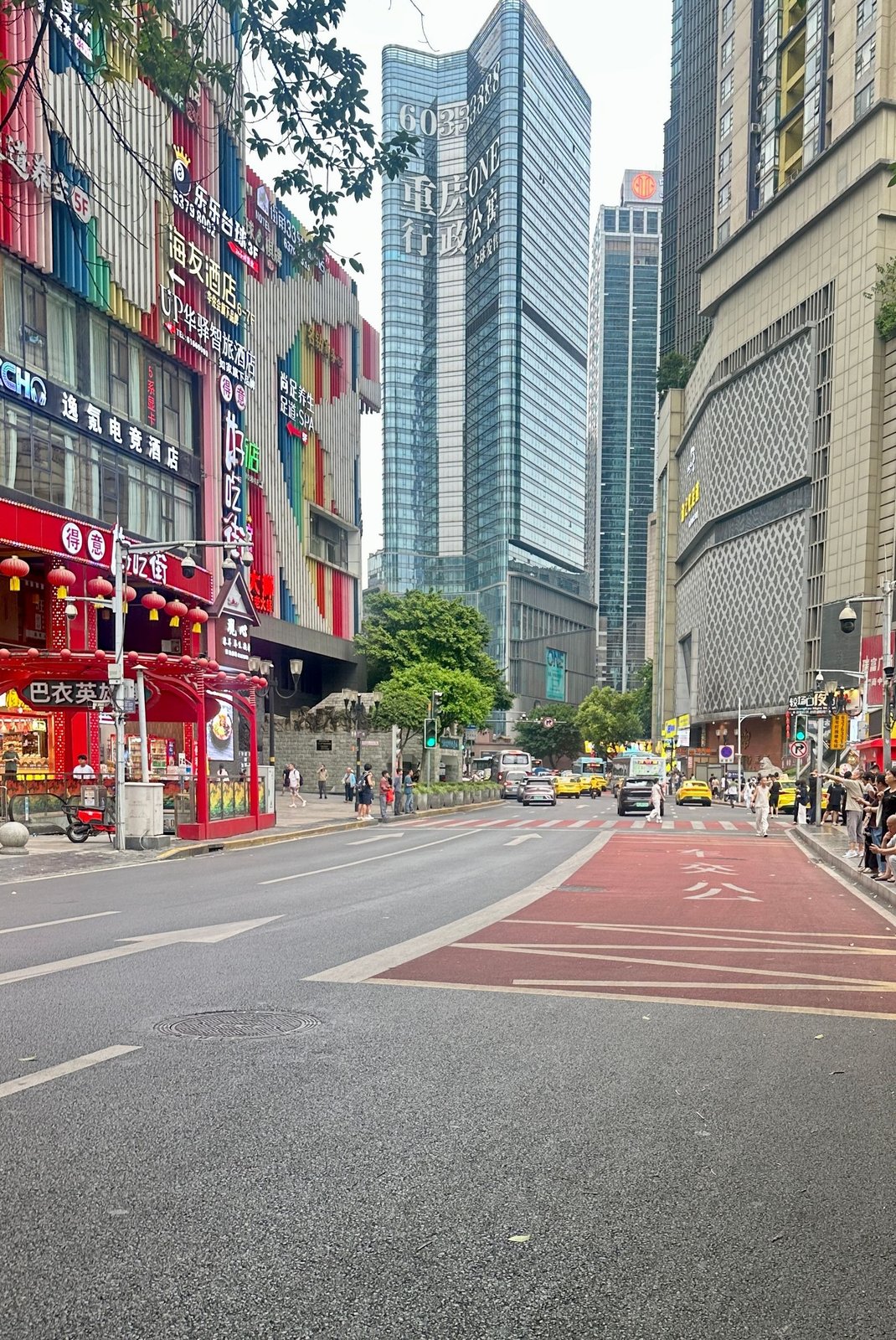
Eat hotpot near Jiefangbei at midday. The beef-tallow broth grows hotter as it reduces, so order mild first; tripe and duck intestine need ten seconds. The sesame-oil and garlic dip takes the edge off.
Spend the afternoon at Eling Park. Kansheng Tower looks out on two rivers bracketing the city, and the light is best as the sun drops. Stay until the windows come on and the place changes character.
Finish at Hongya Cave. The stilted houses are brightest after dark, but the full picture is not inside — step back across the Jialing or onto Qiansimen Bridge and take in the golden facade with the river below.
Day two, crossing and lights
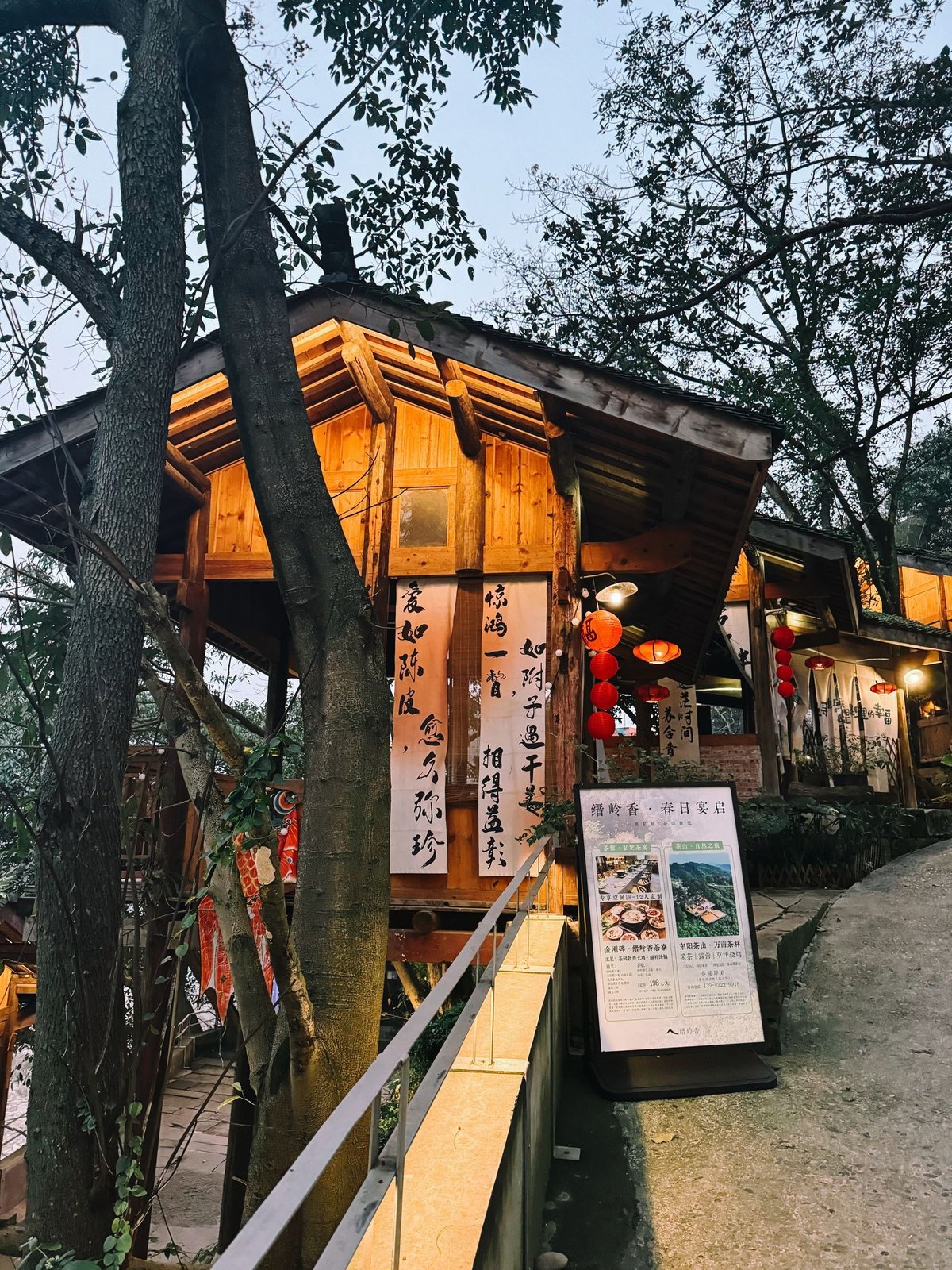
Get to Ciqikou early. Before nine the shutters are still going up and the flagstones are quiet; later the lane fills. Chen’s twisted dough, mao xue wang and hot-and-sour noodles are all along the way, and the teahouse benches are mostly occupied by locals.
Cross the Yangtze on the cableway in the afternoon. The cabin hangs above the water, crossing to the south bank in minutes with buildings on both sides. If the queue is long, do not wait it out — the riverside promenade facing the Yuzhong peninsula is just as good.
Take a boat after dark. The lit banks from the water are a different city from the ones above it. Tickets start at ¥50 (about $7.1), sailings are frequent, and a clear night matters.
Day three, out to Wulong
The Three Natural Bridges are about two hours from the city. Three stone bridges span a gorge and an old post station remains on the floor. Three to four hours inside plus the journey takes most of a day, so start early.
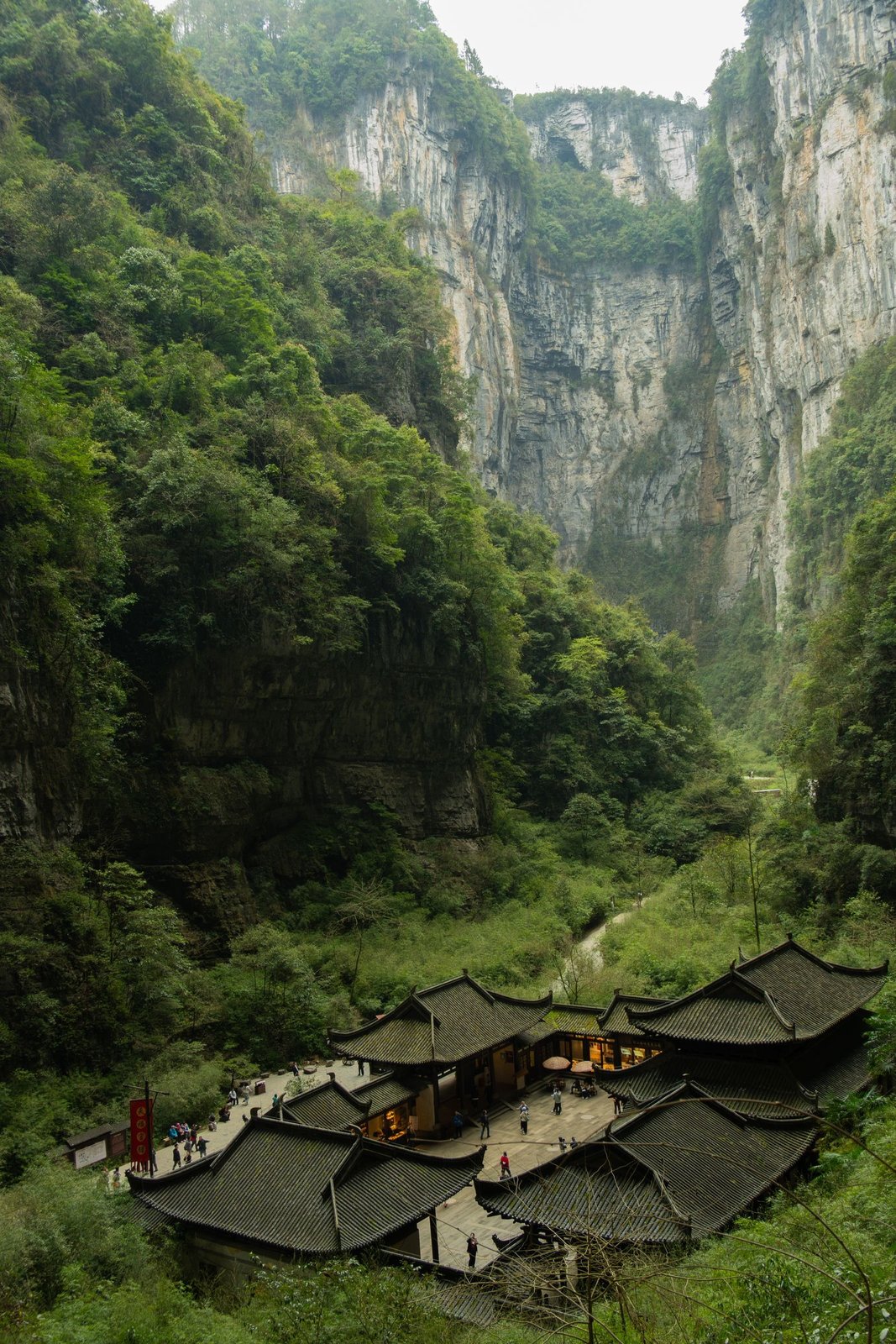
There are many steps, so wear shoes with grip; the gorge is cooler than the city, so bring a layer. Entry and shuttle are about ¥135 (about $19) — check official channels for the exact combination. Back in town, a good Jianghu-style dinner rounds it off.
A few things to know
Chongqing is all slopes and steps; shoes matter more than a plan. The metro reaches most places, rides cost ¥2–10 (about $0.3–1.4), and a transit QR code works. Summer afternoons are scorching, so save the walking for evening; in autumn and winter the riverside needs an extra layer.
Navigation routinely gets confused — the same address can span several floors. Follow street signs and ask locals instead of staring at a screen.
Common questions
Is three days enough?
Yes — two in the city, one at Wulong. The city alone easily fills two days; do Wulong if your legs and schedule allow.
How long is the cableway queue?
Over an hour on weekends and holidays. Just after opening or after four in the afternoon is shorter, and you can check the line on your phone.
Can I do Wulong as a day trip?
Yes, but start early. Three to four hours inside plus travel is most of a day — don't stack on other plans.
Related
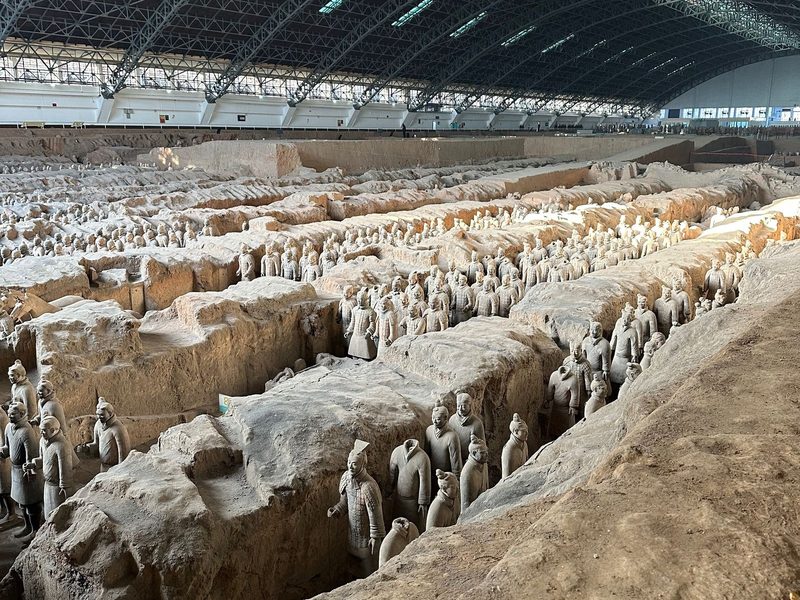
Four Days in Xi'an, the City and the Army
Four days that cover the Terracotta Army properly, cycle the whole Ming wall, get into the Shaanxi History Museum and leave room for Shajinqiao's morning market. Monday closures and ticket bookings are built in.
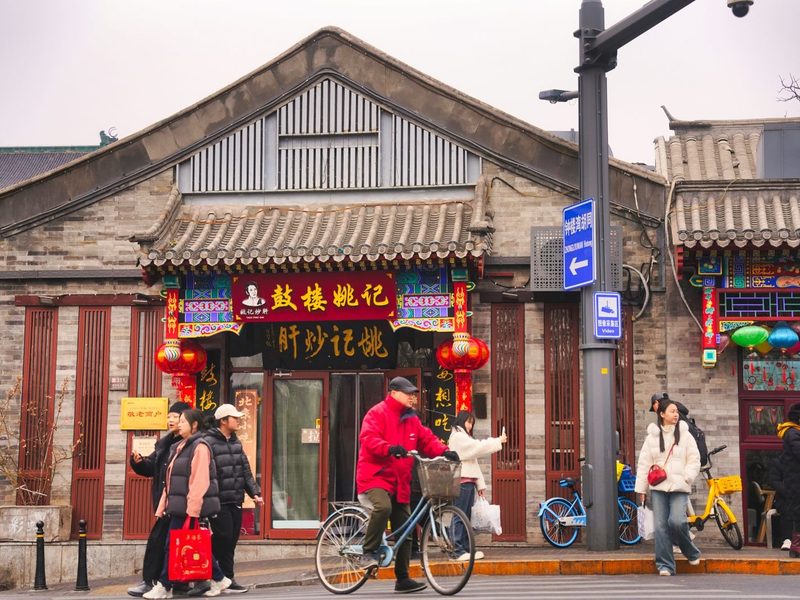
Three days in Beijing, both cities
One day for the imperial city and the lanes, a full day for the Wall, and a day that starts with dawn at the Temple of Heaven. There are alternatives for Monday closures and bad visibility.
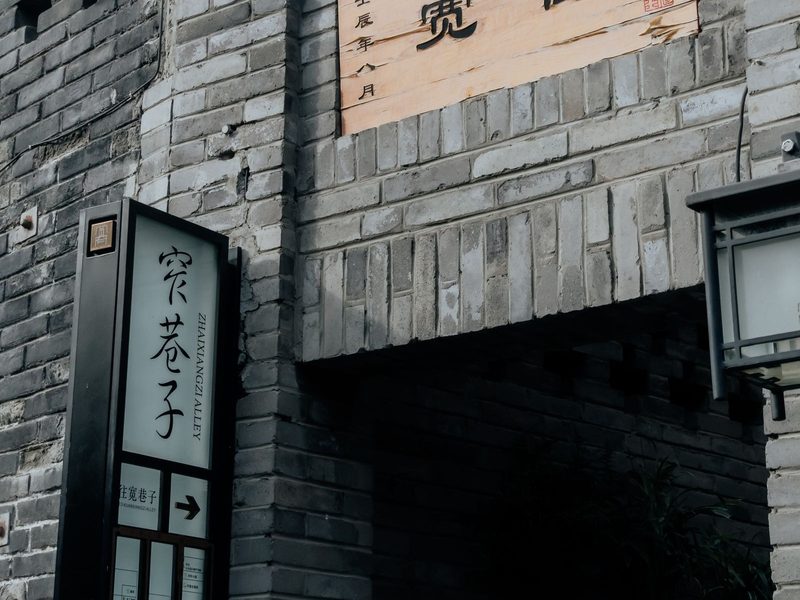
Three Days in Chengdu, Planned Around Pandas and Tea
One day for the panda base and the old city, one for Dujiangyan, one given over to teahouses and street food. Monday closures, rain and long queues all have a way around them.
Want a plan that fits your dates?
Tell us your dates, budget and what you actually like doing — we will send back a day-by-day plan by email. No charge for the first draft.
Plan with us →