Xi'an Spring Temple Fair
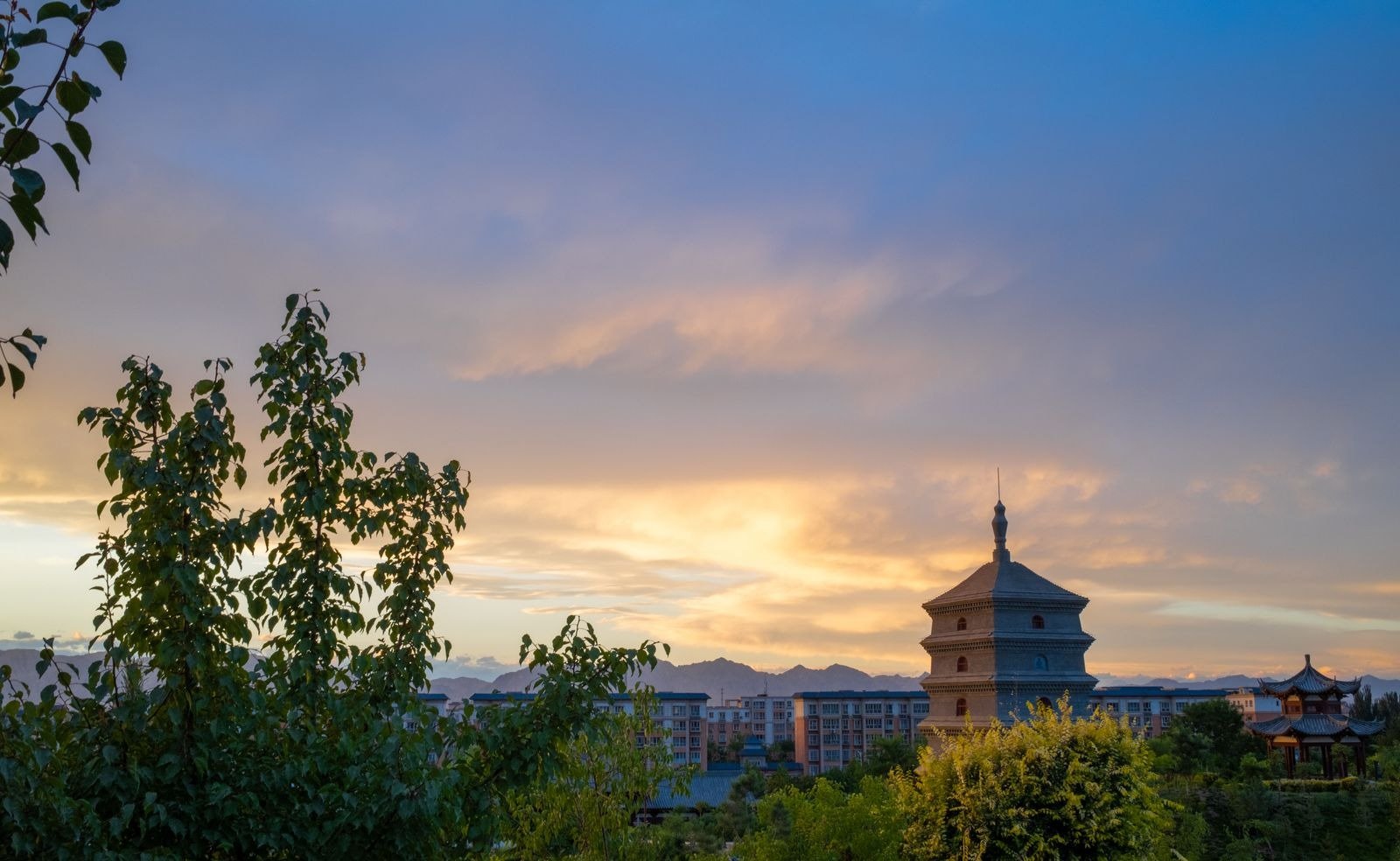
For the fortnight after the lunar new year, the pagoda area fills with fairground stalls, folk performances and enough snacks to make lunch optional. Free to enter, best visited in daylight.
- Dates
- 6–21 Feb
- Venue
- Giant Wild Goose Pagoda area · Yongxingfang
- Price
- Free entry; individual food and games ¥5–30 (about $0.7–4.3)
- Language
- All signs in Chinese; food stalls rarely have English menus, but pointing works
What a temple fair actually is
A temple fair is part market, part fairground and part neighbourhood celebration, held around the lunar new year. In Xi’an it spreads around the Giant Wild Goose Pagoda and into nearby food streets: rows of red stalls, sugar paintings, shadow-puppet booths, paper cuttings, folk singers, lion dances and a great deal of fried dough.
The first week is the liveliest. Families come out in force, children carry turbine toys that spin in the cold air, and the whole thing runs from late morning until well after dark. It is loud and cheerful in a way that Xi’an’s ordinary streets are not.
Eating your way through it
Treat it as a food crawl rather than a sit-down meal. Stalls sell roujiamo, zenggao and biangbiang noodles alongside fair-only things — candied hawthorn on a stick, fried dough shapes, and sour plum drink kept warm or cold depending on the weather. Prices are small, ¥5–30 (about $0.7–4.3) an item, so the sensible strategy is to buy one of everything and keep walking.
Yongxingfang, a short distance away, concentrates Shaanxi snacks in one place and is the easier option if the fair gets overwhelming. It is more organised and a little more touristy, but the range is good and you can sit down.
How to plan a visit
Go in the first week if you can. The atmosphere is at its best before the holiday rush thins out, and the lion dances and folk performances run more often. Weekday afternoons are calmer than weekends.
Come in daylight, stay for the lights. The stalls are best seen in the afternoon; after dark the pagoda and the street lighting take over and the fair becomes part of the city’s night scene. If you only have an evening, go straight to the pagoda square.
Good to know
- Entry to the fair is free. Food, games and performances at separate booths are paid individually.
- The exact dates follow the lunar calendar and shift every year; confirm the current schedule with the official announcement before booking travel.
- February in Xi’an is cold, often below freezing in the morning. The fair is outdoors, so wear a proper coat and shoes you can stand in.
- It gets very crowded at weekends. Keep valuables close and agree a meeting point if you are with children.
- Menus are usually Chinese only. Pointing at what someone else is eating is a perfectly good strategy here.
Related
JZ Festival — autumn jazz weekend
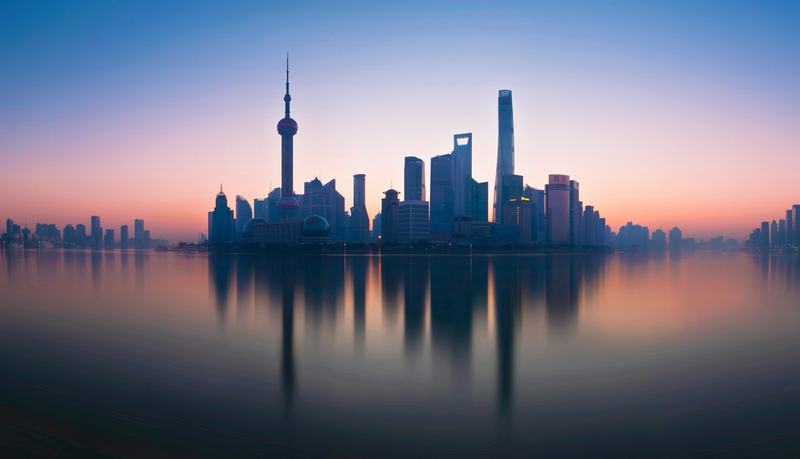
Shanghai's long-running jazz festival, the closest thing the city has to a proper outdoor music weekend. Ran 1–2 November 2026.
West Bund Art & Design week
Shanghai's contemporary art week takes over the old aircraft factory halls on the West Bund — the one time of year the city's galleries all open at once.
Terracotta Army winter opening hours
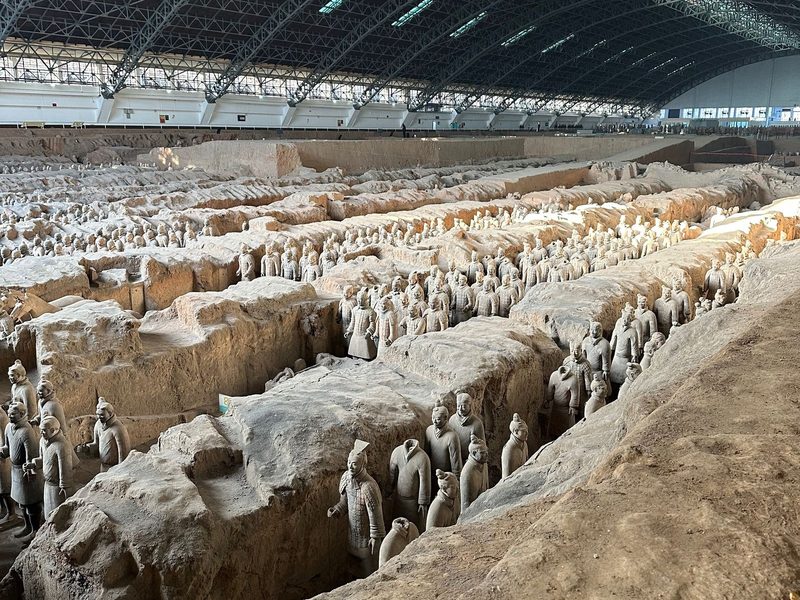
From December to February the site opens an hour later and closes at 17:00 — the trade-off is that you can stand in front of Pit 1 with almost nobody else there.
Want a plan that fits your dates?
Tell us your dates, budget and what you actually like doing — we will send back a day-by-day plan by email. No charge for the first draft.
Plan with us →