What to eat in Shenzhen: four immigrant tables
Shenzhen has no traditional dish of its own. Chaoshan arrivals brought beef hot pot, Bao'an still keeps its oysters, Hakkas brought salt-baked chicken and Guangzhou brought dim sum. Eat your way round and you've eaten Guangdong.
Ask someone in Shenzhen what the local food is and they’ll usually stall. In forty years this city absorbed people from Guangdong, Hunan, Sichuan and the northeast, and the food came with them.
So the way to read Shenzhen’s restaurants is by who brought them.
Chaoshan beef hot pot
There are enough Chaoshan people here that beef hot pot is denser in Shenzhen than almost anywhere. The rules are simple: a clear broth, beef ordered by cut, a few seconds in the pot and out.
Topside is the tenderest; shoulder has a bit of sinew and a bounce; the crisp cuts go in last; hand-beaten meatballs need chewing. The broth is beef bone with a few pieces of radish and corn — cook the meat first, drink the broth after.
Expect CNY 80–150 (about $11–21) a head, open late. The highest concentration is in the urban villages of Nanshan and Futian; pick the one with local families queueing outside.
Bao’an oysters
Shajing, in the north-west of the city, has farmed oysters for centuries. The season runs from winter to just before Qingming, when they’re fat and juicy. Two ways: steamed, or grilled over charcoal.
Steaming is all about timing — a minute too long and they turn rubbery. Grilled with garlic, they open and you eat them straight from the shell. Street stalls sell by the piece at CNY 8–20 (about $1.1–2.9), depending on size.
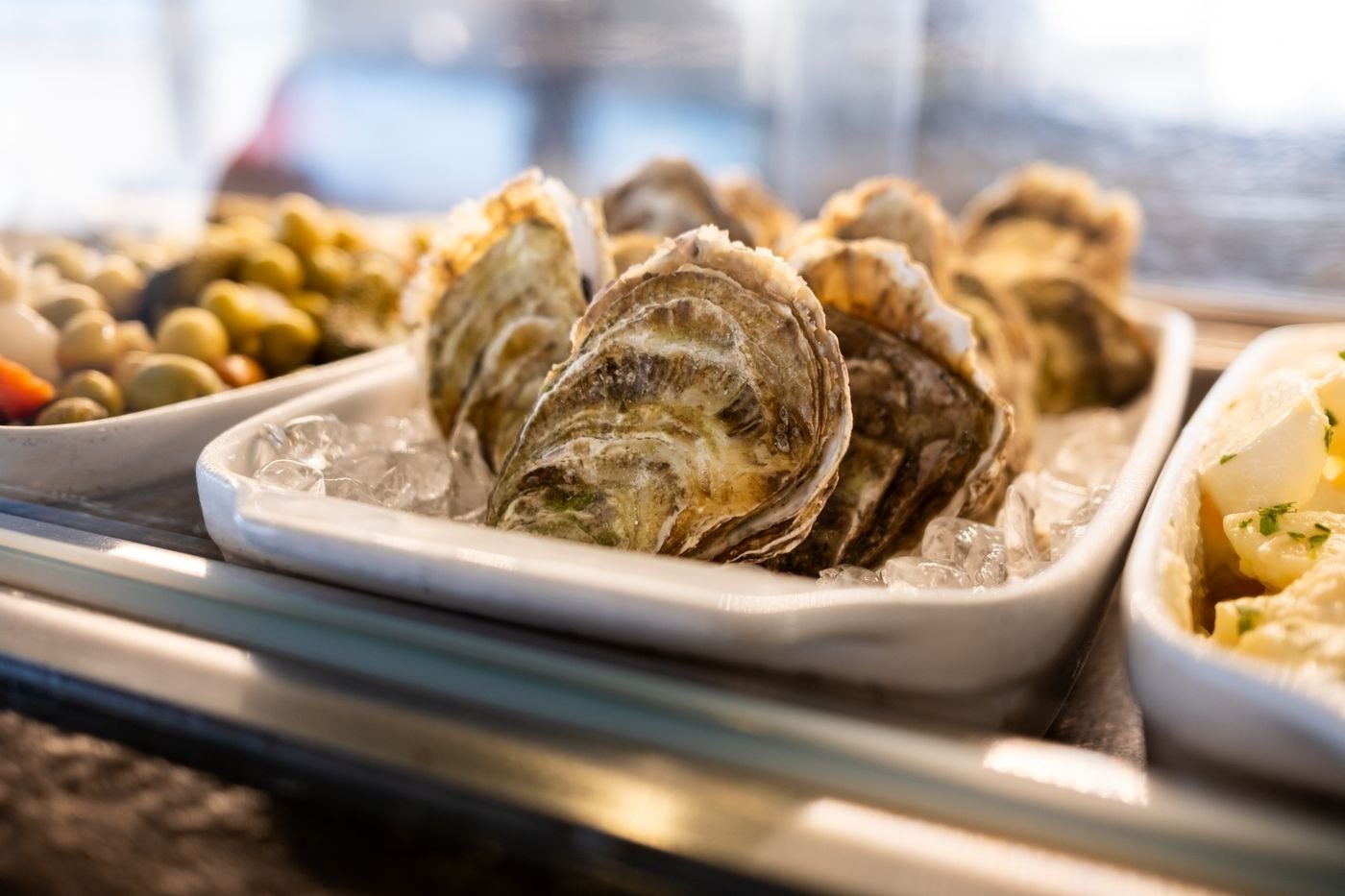
Yantian seafood street is the other option: pick from the tank, sold by weight — the stalls with prices on the board are the easy ones.
Dapeng fish
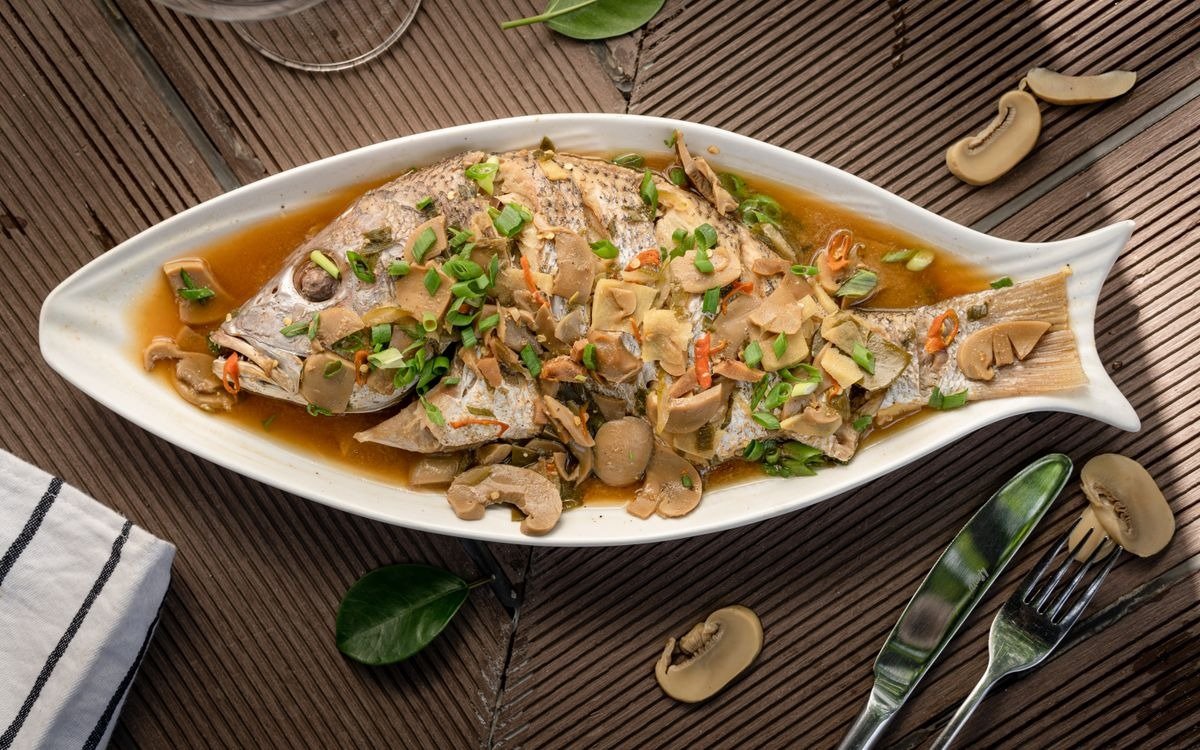
Fishermen around Nanao do the simplest thing: a whole fish steamed with ginger and scallion, then a spoon of hot oil and soy poured over. It only works with fish that came in that morning.
Order one at a stall in Jiaochangwei or Nanao and it’s CNY 120–200 (about $17–29) for two. Ask whether the price is by weight or by fish before you order — that habit applies everywhere in Shenzhen.
Guangzhou dim sum
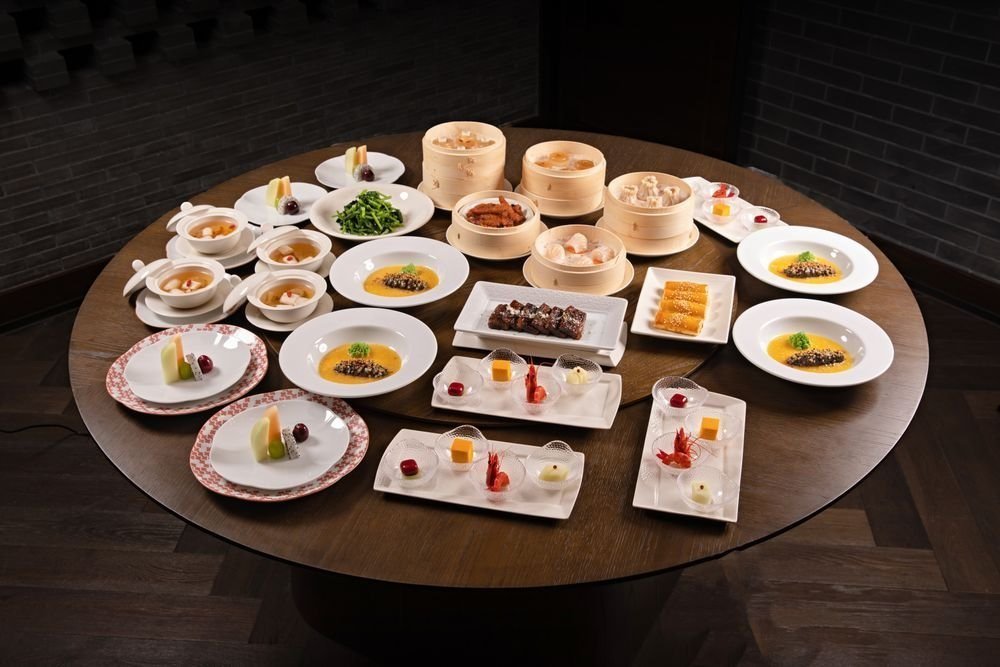
Shenzhen’s morning tea follows the same ritual as Guangzhou’s: one pot of tea, two baskets of dumplings, har gow, siu mai, char siu bao, chicken feet. The differences are a slightly higher price, newer rooms and shorter queues.
The old names cluster in Luohu and Futian. Arrive before nine at the weekend and you won’t wait; after ten you’ll be taking a number.
How to plan it
Over two days: one dim sum breakfast, one beef hot pot, one seafood meal. Dim sum in the morning, hot pot after ten at night when the room thins out and the beef is fresh, seafood on the day you go out to Dapeng or Yantian.
Budget CNY 400–700 (about $57–100) per person for three days of eating, which isn’t much. The expensive meals are the polished places inside malls — the same dishes cost a third less in an urban village, and usually taste better.
Related
The Terracotta Army, With and Without a Guide
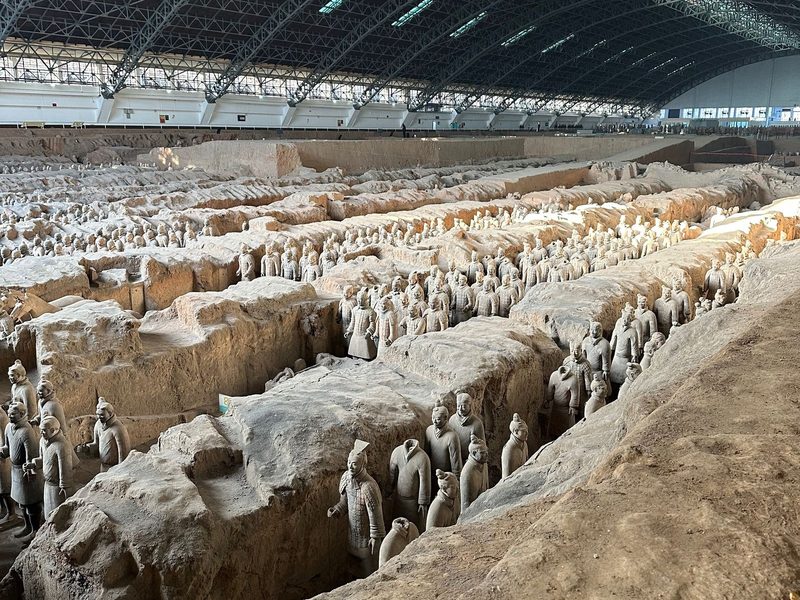
I did the Terracotta Army twice, once cold and once with an official guide. The difference was not trivia — it was the difference between seeing clay statues and understanding an army.
Cycling Xi'an City Wall, Minus the Romance
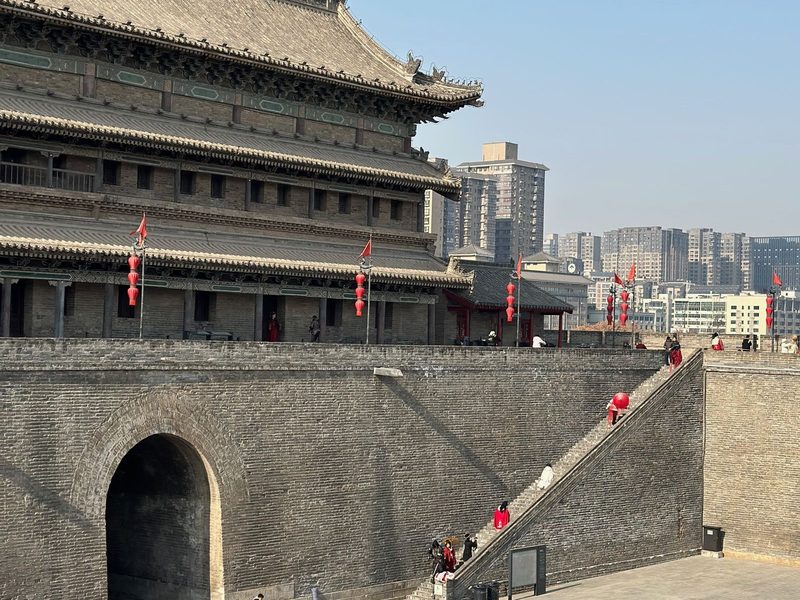
Everyone tells you to cycle the wall at sunset. They leave out the rental clock, the wind and the fact that the last half is mostly about finishing. Here is how to do it without hating it.
Chengdu Hotpot, How to Order a Red Oil Pot
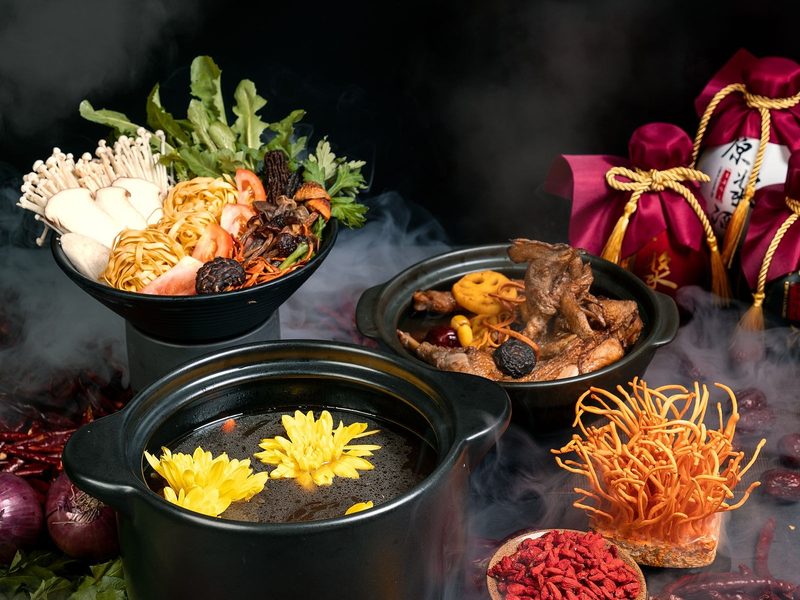
Seconds for tripe and duck intestine, whether a split pot is embarrassing, an honest record from queue to bill.
Want a plan that fits your dates?
Tell us your dates, budget and what you actually like doing — we will send back a day-by-day plan by email. No charge for the first draft.
Plan with us →