Dim Sum in Guangzhou, Watching the Baskets Come Out
Har gow with skin thin enough to see the shrimp, siu mai with crab roe on top, basket after basket pushed out of the kitchen. An honest record of eating dim sum, with an ordering order and the traps to avoid.
A morning that lasts
Locals call drinking tea yum cha. A pot of tea, a couple of baskets, and a table that stays occupied from morning until noon while people talk, read the paper and do business. You get to sit in on a custom that has been part of daily life here for a long time.
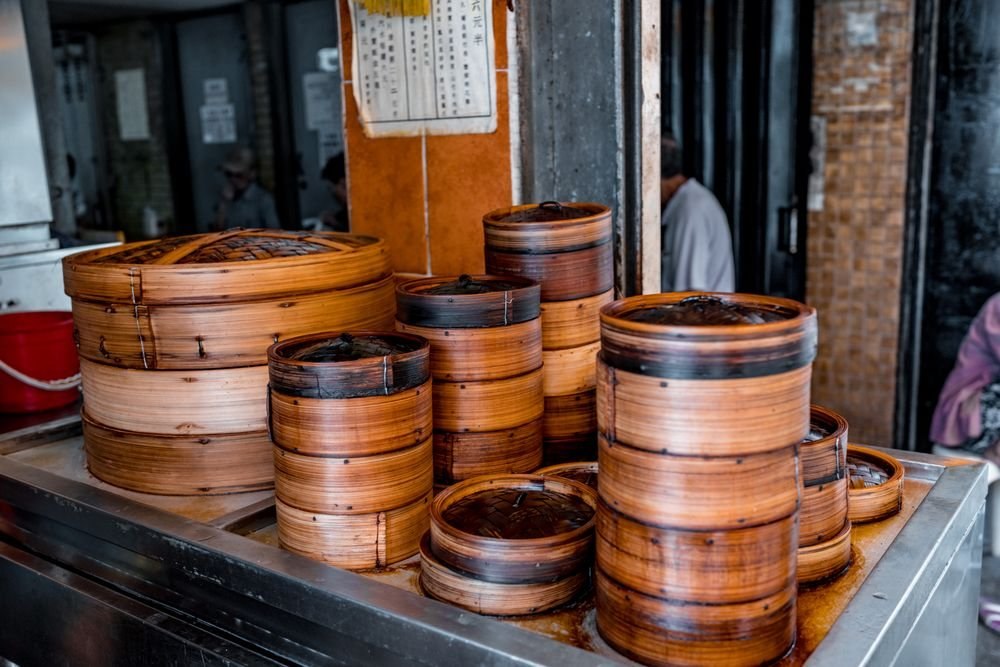
The moment a tea house opens, bamboo steamers start stacking in the kitchen, piled high with steam escaping from the seams.
What to order first
Order in this order and you will be fine.
Har gow. The test is one thing: the skin should be thin enough to show the whole shrimp, and the bite should have spring to it.
Siu mai. Look for a bit of crab roe showing on top, with the glutinous rice and meat packed firm.
Chicken feet. Soft and sticky, braised until the collagen turns tacky. Many people come just for this basket.
Congee with fish, youtiao and peanuts, cooked until the grains burst. It warms you from the inside.
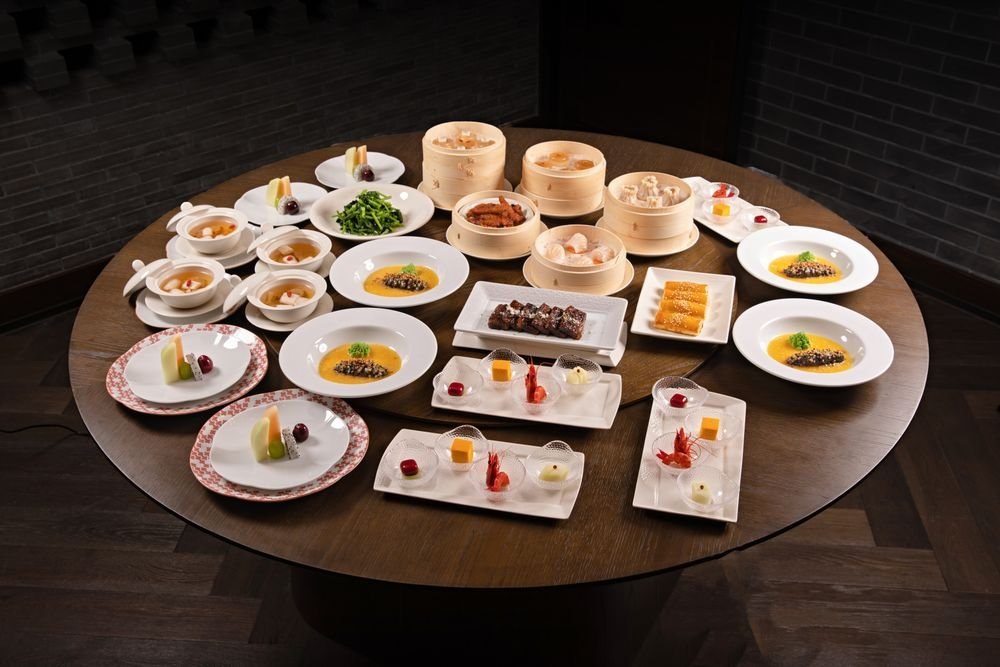
For two people, three or four baskets plus two bowls of congee or a plate of rice rolls comes to ¥150 to ¥220. Baskets are charged each, so order a few first and add more if you are still hungry.
Tea and the small print
Tea is usually pu’er, chrysanthemum or tieguanyin, ¥3 to ¥8 a bowl. Staff ask what you want, then keep the cups topped up without being asked.
Ordering is done on a form, or by pointing at a trolley as it passes. Many places now use a phone QR code, so follow whatever the room is doing.
There is a local habit when someone pours tea for you. Tap two fingers on the table to say thanks. Do it once and the staff and the next table will know you understand.
The kitchen and the old names
It is worth looking at the dim sum station. A single har gow goes from rolled skin to pleated top in a dozen quick folds, all done by hand.
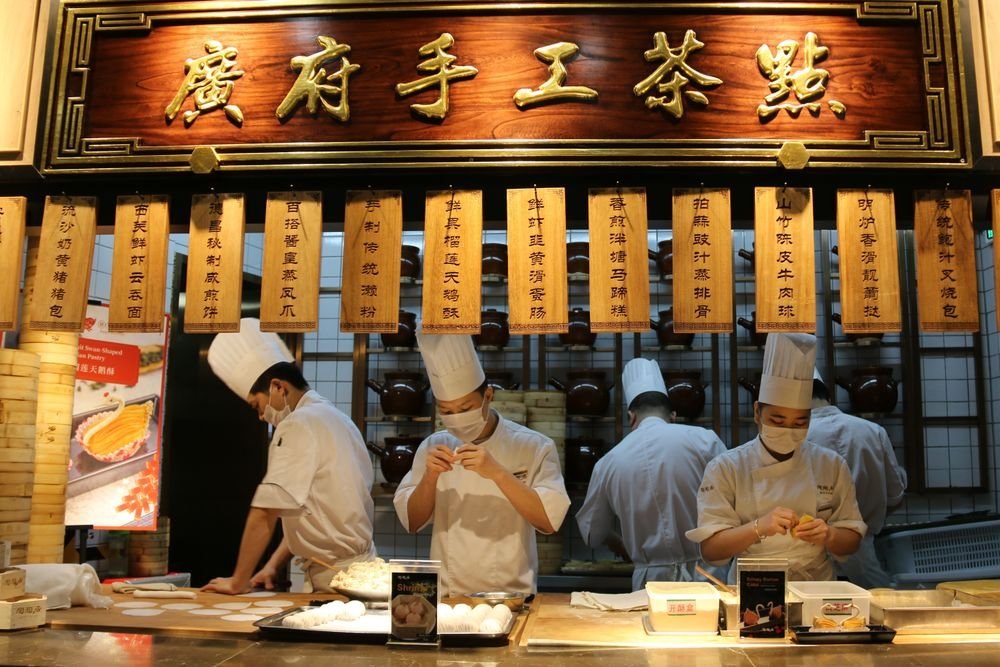
As for which tea house, I would not obsess over the most famous names. Weekend queues there can test anyone’s patience. Tea houses in residential areas are usually solid and easier on the wallet. If you want an old name, go on a weekday and the whole experience changes.
What comes after
Dim sum finishes around eleven, which lines up neatly with the old town. The Chen Clan Hall, Yongqing Fang and Shamian are all in that part of the city, a stop or two away on the metro. Putting dim sum first is the least tiring way to plan a day here.
Common questions
When should I go to avoid the wait?
Before ten on a weekday usually means a seat. Weekend mornings at the famous places mean a number and a half hour to an hour's wait.
How much should two people order?
Three or four baskets plus two bowls of congee or a plate of rice rolls, ¥150 to ¥220. Baskets are priced individually, so start small and add more.
Do I have to go to the most famous place?
No. The old tea houses are similar in quality, and the one with the longest queue is not necessarily the best for you. Neighbourhood places are often steadier.
Related
The Terracotta Army, With and Without a Guide
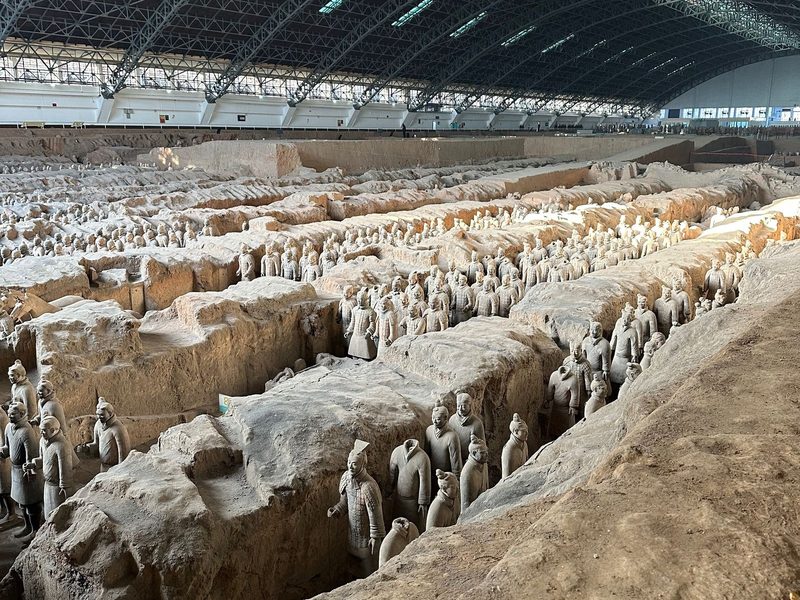
I did the Terracotta Army twice, once cold and once with an official guide. The difference was not trivia — it was the difference between seeing clay statues and understanding an army.
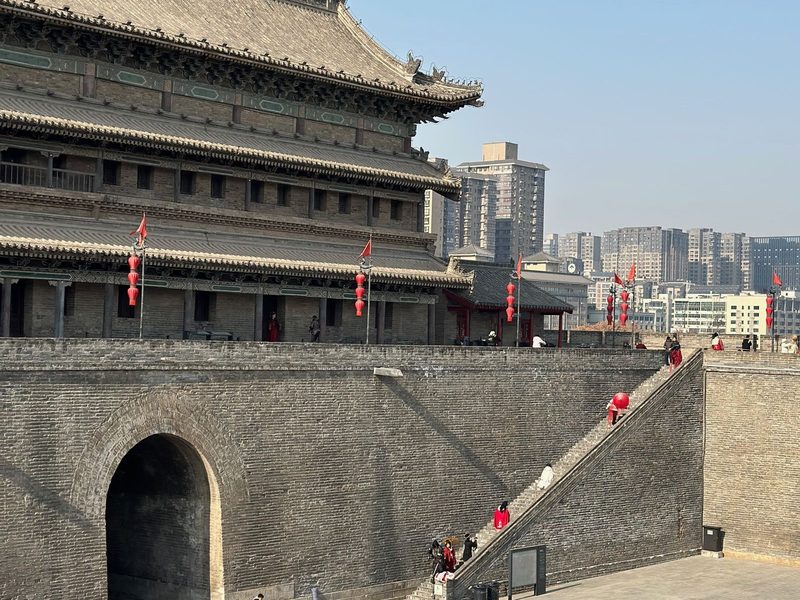
Cycling Xi'an City Wall, Minus the Romance
Everyone tells you to cycle the wall at sunset. They leave out the rental clock, the wind and the fact that the last half is mostly about finishing. Here is how to do it without hating it.
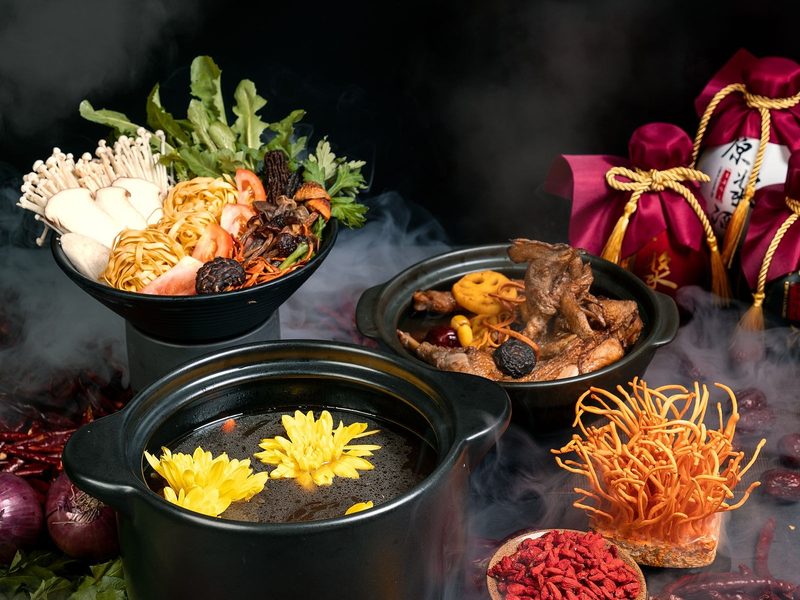
Chengdu Hotpot, How to Order a Red Oil Pot
Seconds for tripe and duck intestine, whether a split pot is embarrassing, an honest record from queue to bill.
Want a plan that fits your dates?
Tell us your dates, budget and what you actually like doing — we will send back a day-by-day plan by email. No charge for the first draft.
Plan with us →