Four sections of the Great Wall, compared
The Wall is not one line — four sections differ more than you expect. A practical comparison of what you see, how you get there and how hard it is, with booking and weather notes.
The short answer
With one day: Mutianyu is the easiest, Jinshanling the most rewarding. For children or anyone who does not want a hard walk, Mutianyu. For the photograph of the wall with nobody else in it, Jinshanling. Badaling has the best transport but feels more like an attraction, and it is not essential.
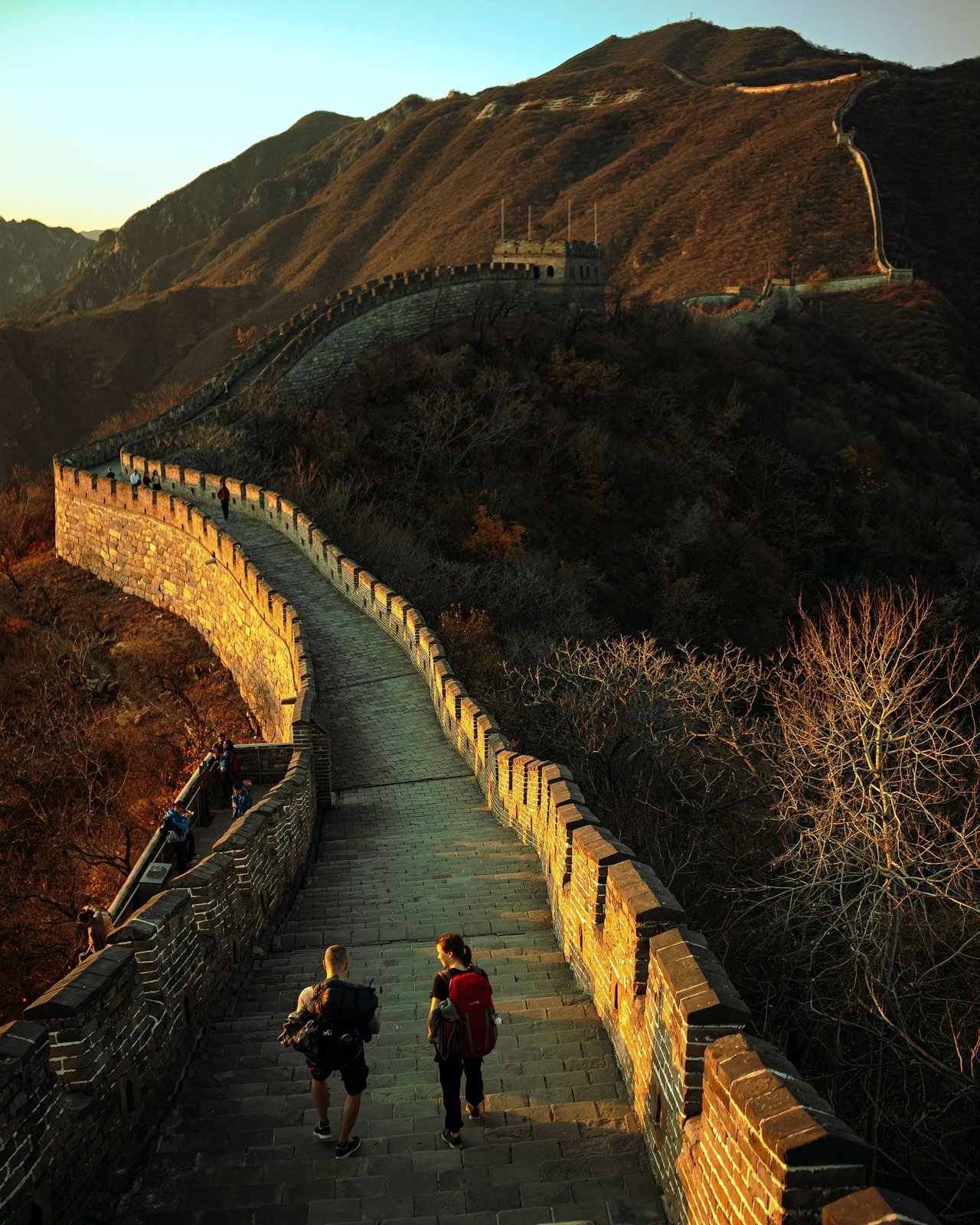
Mutianyu: the most equipped
An hour and a half by car, ¥45 (about $6.4). The wall rises and falls on the hillside, watchtowers are close together and the views are wide. A cable car takes you to tower fourteen, and the toboggan down is the part children remember. To walk, go three or four towers in either direction from fourteen and come back the same way.
It does get tour groups, though fewer than Badaling. Leave at seven on a weekday and you can still find quiet stretches before ten.
Jinshanling: the wall you imagined
Two hours from the city, ¥65 (about $9.3), and the favourite of photographers. The wall runs along the Yanshan ridge in old brick, crenellations intact in places and broken in others, tower after tower. Because the transfer is less convenient, the crowds are thin.
Expect full sun — there is almost no shade on the ramparts. The steps have big drops and some have crumbled, so wear shoes with grip and carry plenty of water.
Simatai: the wildest, with the most rules
Out in Miyun, partly preserved in its original state, with the chance to stay nearby and look at the stars at night. But the open areas, booking and night rules change, so check the official channel before you go — do not follow an old guide.
Badaling: not a disaster, not essential
It is the most restored and the easiest to reach, with cable cars, restaurants and all the facilities. That is exactly why it feels like a well-run sight rather than the Wall itself. In peak season the ramparts are shoulder to shoulder and you wait for a gap to take a photograph. For a first trip with limited time, or with elderly relatives, it is fine. For the real thing, it should not be your only option.

What all four have in common
They all lie northeast or north of the city, and one day is enough for only one. Go on a weekday around seven, and be back by mid-afternoon. Check the weather and visibility that morning — skip fog and heavy pollution, because visibility is the point.
Beyond the ticket, a hired car is the simplest option, and split four ways it is not expensive. Public transport saves money but check the last bus. Winter on the ramparts is ten degrees colder than the city, so bring gloves and a hat. And do not pair the Wall with other sights — the driving alone is four or five hours.
Common questions
If I only have one day, which?
Mutianyu for ease and good views; Jinshanling for the real wall. Badaling is not bad, just crowded, and there are better alternatives.
How is Simatai different from Jinshanling?
Simatai is wilder, with some original stretches, and staying nearby to see the stars is its particular draw. Its opening rules and booking are more complicated, so check official information before you go.
What do the tickets cost?
Mutianyu ¥45 (about $6.4), Jinshanling ¥65 (about $9.3), Badaling ¥40 (about $5.7). Simatai prices vary by section and time slot — check the official announcement.
Related
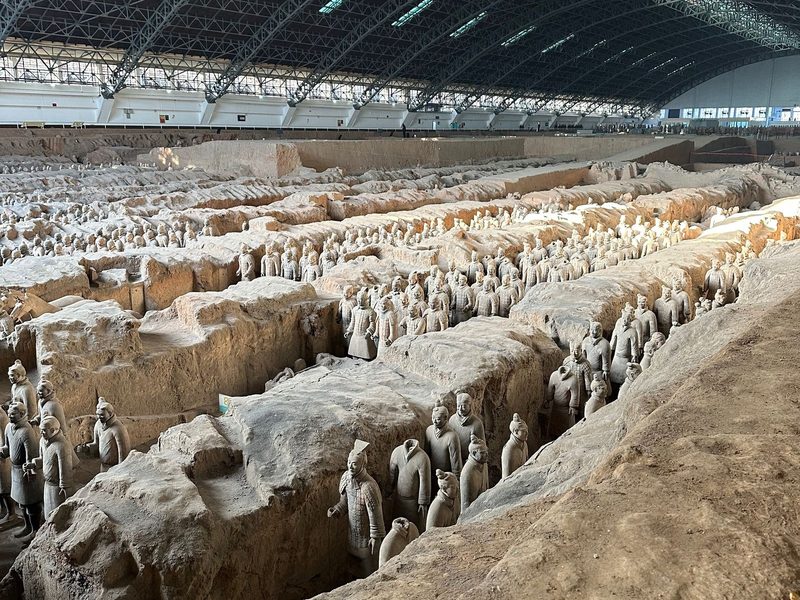
The Terracotta Army, With and Without a Guide
I did the Terracotta Army twice, once cold and once with an official guide. The difference was not trivia — it was the difference between seeing clay statues and understanding an army.
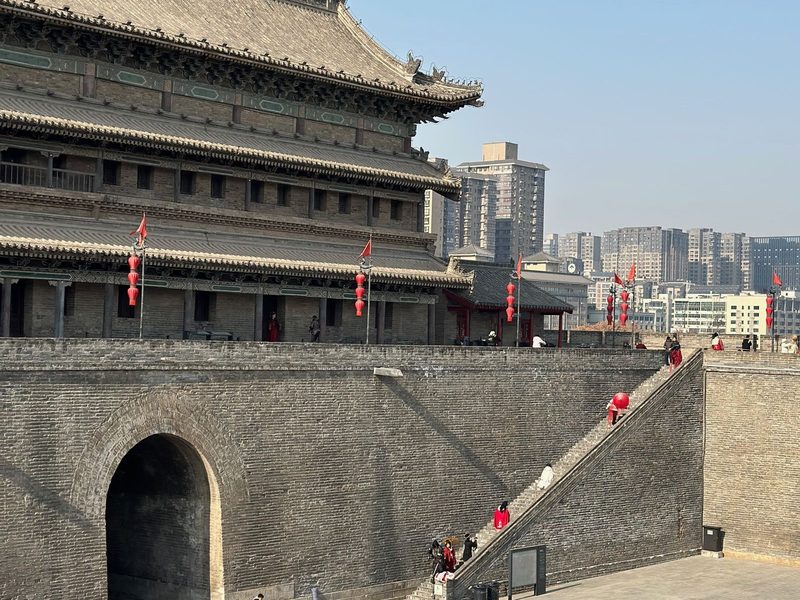
Cycling Xi'an City Wall, Minus the Romance
Everyone tells you to cycle the wall at sunset. They leave out the rental clock, the wind and the fact that the last half is mostly about finishing. Here is how to do it without hating it.

Chengdu Hotpot, How to Order a Red Oil Pot
Seconds for tripe and duck intestine, whether a split pot is embarrassing, an honest record from queue to bill.
Want a plan that fits your dates?
Tell us your dates, budget and what you actually like doing — we will send back a day-by-day plan by email. No charge for the first draft.
Plan with us →