Peking duck, watched from the table
Crisp skin dipped in sugar, pancakes rolled with spring onion — one duck becomes more than a hundred slices. An honest field note on ordering, including what to skip.
The ritual of a whole duck
The duck arrives with a performance. A chef pushes a cart over and slices it in front of you, more than a hundred pieces, skin and meat arranged on separate plates. The first plate is pure skin — glossy, dipped in sugar, melting in the mouth. Then come the meat slices, wrapped in a thin pancake with sweet bean sauce, shredded spring onion and cucumber.
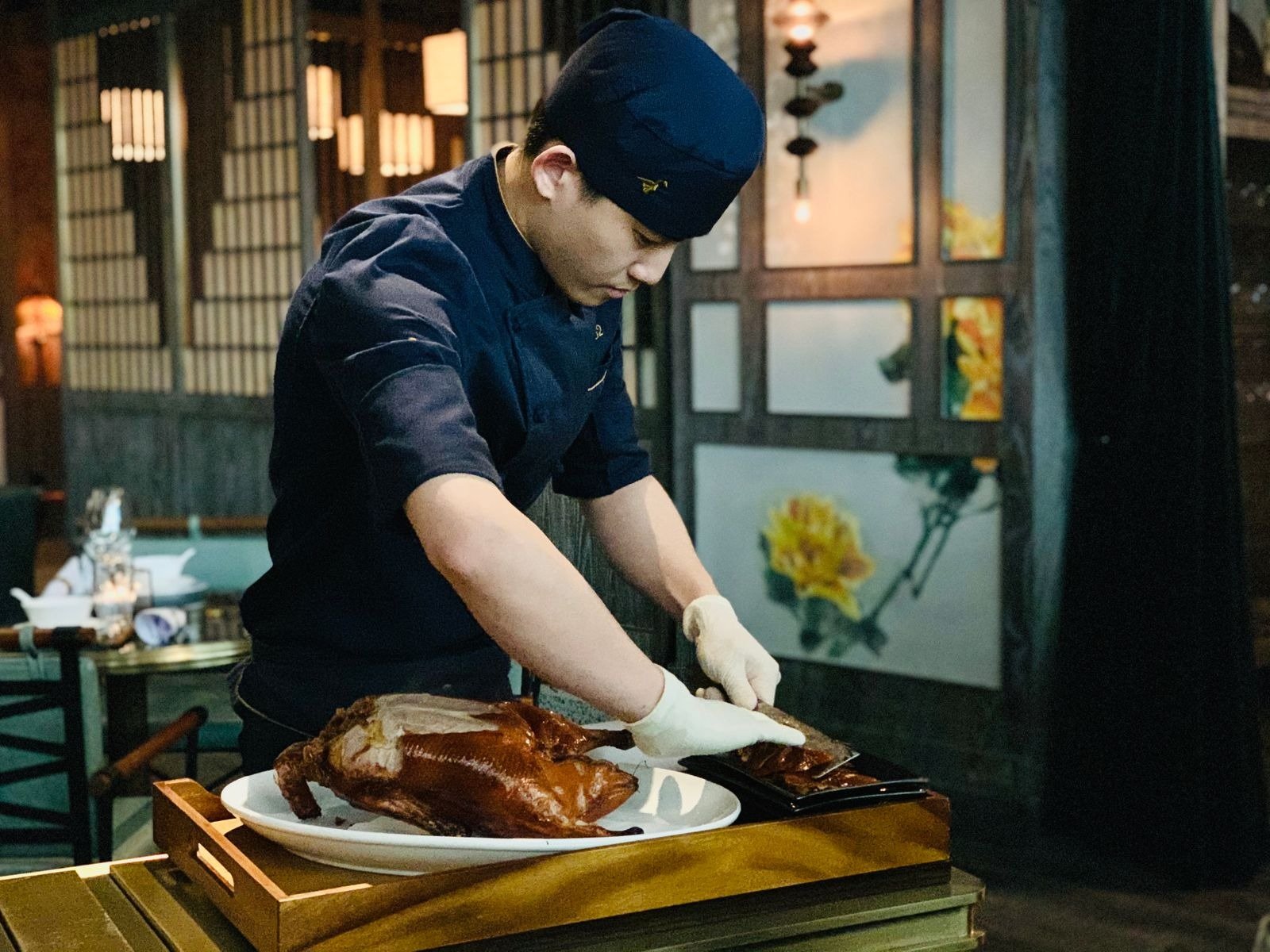
It looks ceremonial, but the whole thing comes down to three things: crisp skin, tender meat, soft pancakes. Whether it works depends on the knife.
What to order first
One duck between two people is enough, plus a vegetable dish or two and a staple. This order rarely goes wrong.
Start with the skin. Eat it hot, dipped in sugar. Once it cools it turns greasy. Do not spend this step talking — it arrives, you eat it.
Then roll the meat. The pancakes come steamed in a basket. Take one, spread sauce, add two or three slices of meat, spring onion and cucumber, roll it up and eat it in one bite. Go easy on the sauce; it is salty.
Do not waste the frame. Ask the restaurant to deep-fry it with salt and pepper, or make soup. Some places charge for this, so ask when you order.
Where to go
Siji Minfu is next to the Forbidden City, so you can walk over after visiting; ¥200–300 (about $29–43) and a queue most days. Da Dong is the dressier option, with the price to match, good for a formal meal. Quanjude is the old oven-roast name, the most famous and the most touristed; Bianyifang uses a different, closed-oven method — less crisp, more juice.
My advice is not to fixate on the most famous name. Beijing has many good duck restaurants, and neighbourhood places are often steadier and cheaper. If you want an old brand, go at a weekday lunchtime.
There is more than duck
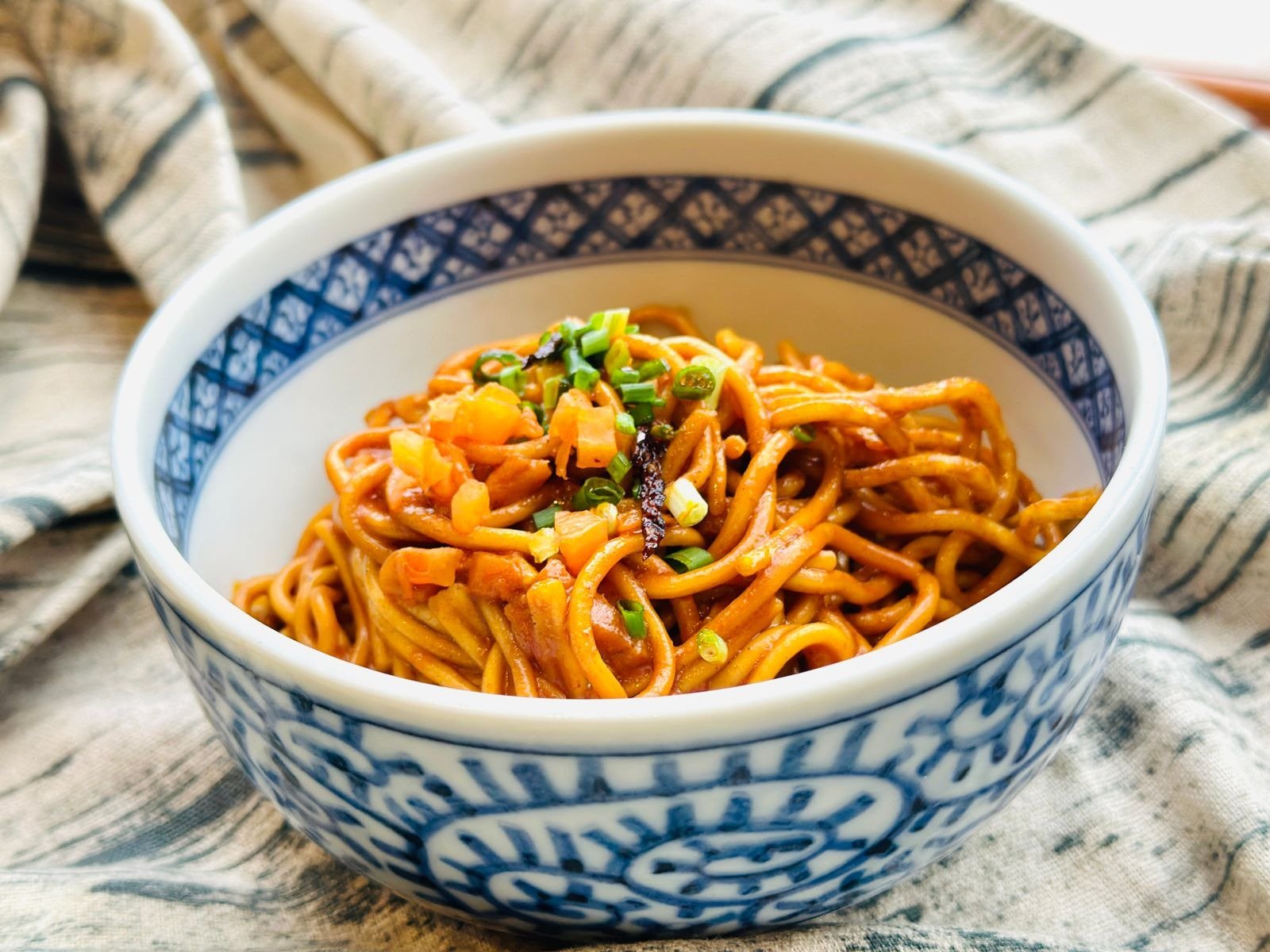
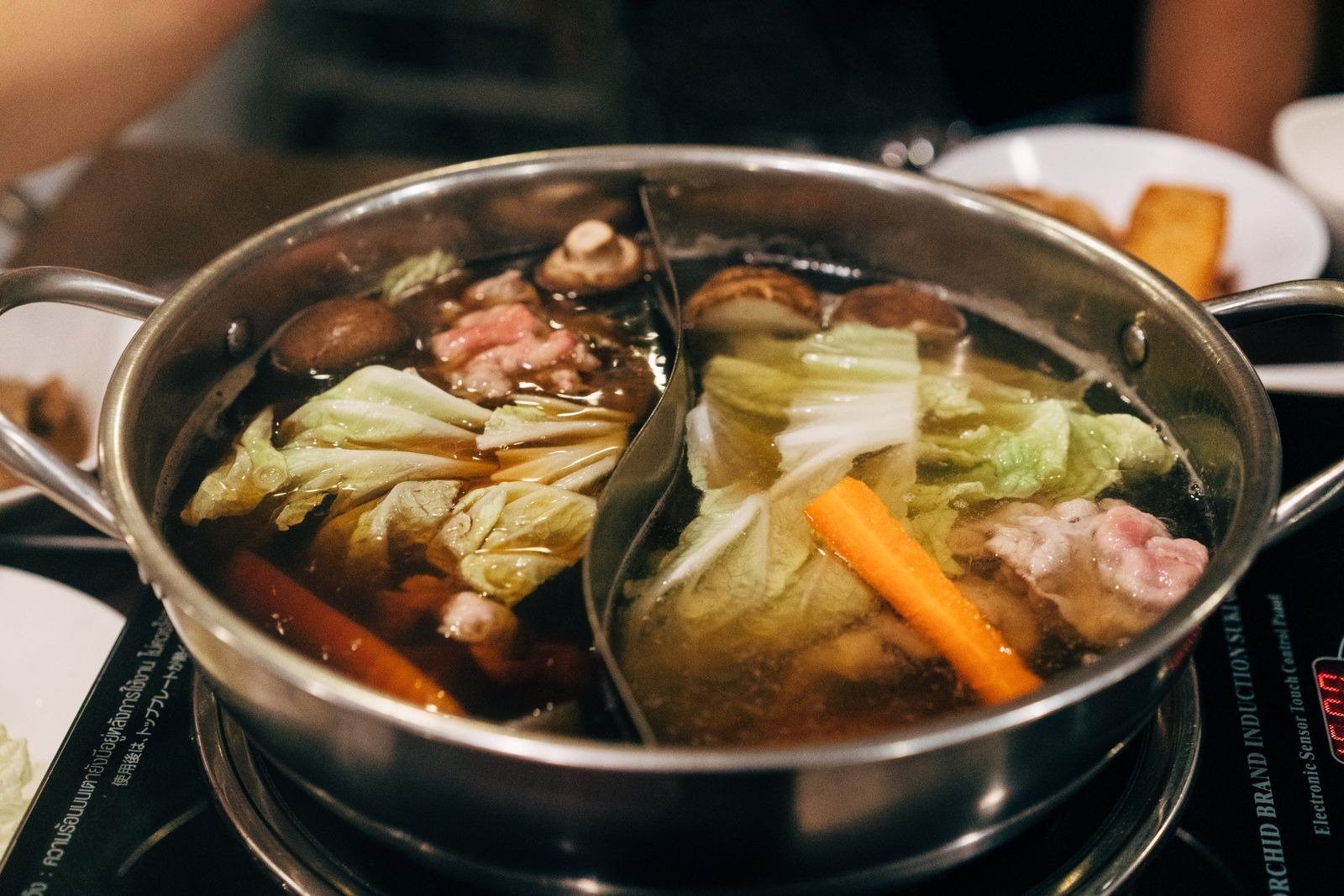
Two duck meals in a row will tire you out. Below that level is where the city actually eats: zhajiangmian at ¥20–30 (about $2.9–4.3), lamb hotpot in winter with a sesame dip, jianbing from a street cart for ¥8 (about $1.1) that you eat standing up.
Duck is worth doing once. But the things that make Beijing addictive are the ¥8–30 (about $1.1–4.3) ones.
Common questions
How much is a whole duck?
Around ¥200–300 (about $29–43) at ordinary places; more than ¥400 (about $57) at the upscale end. One duck feeds three — do not order one each.
Do I have to go to the oldest names?
No. Quanjude and Bianyifang are the famous old brands, with the crowds to match. Siji Minfu and Da Dong have their own followings, and neighbourhood duck restaurants are often just as good.
Should I book?
At the popular places, yes. Siji Minfu near the Palace starts queuing an hour ahead in peak season; for Da Dong, book about a week out. Weekday lunches are easier.
Related

The Terracotta Army, With and Without a Guide
I did the Terracotta Army twice, once cold and once with an official guide. The difference was not trivia — it was the difference between seeing clay statues and understanding an army.
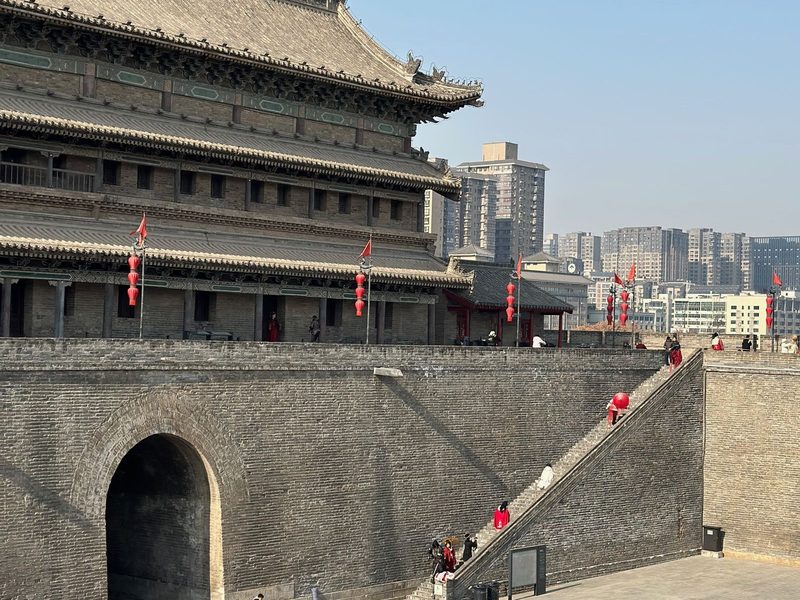
Cycling Xi'an City Wall, Minus the Romance
Everyone tells you to cycle the wall at sunset. They leave out the rental clock, the wind and the fact that the last half is mostly about finishing. Here is how to do it without hating it.
Chengdu Hotpot, How to Order a Red Oil Pot
Seconds for tripe and duck intestine, whether a split pot is embarrassing, an honest record from queue to bill.
Want a plan that fits your dates?
Tell us your dates, budget and what you actually like doing — we will send back a day-by-day plan by email. No charge for the first draft.
Plan with us →