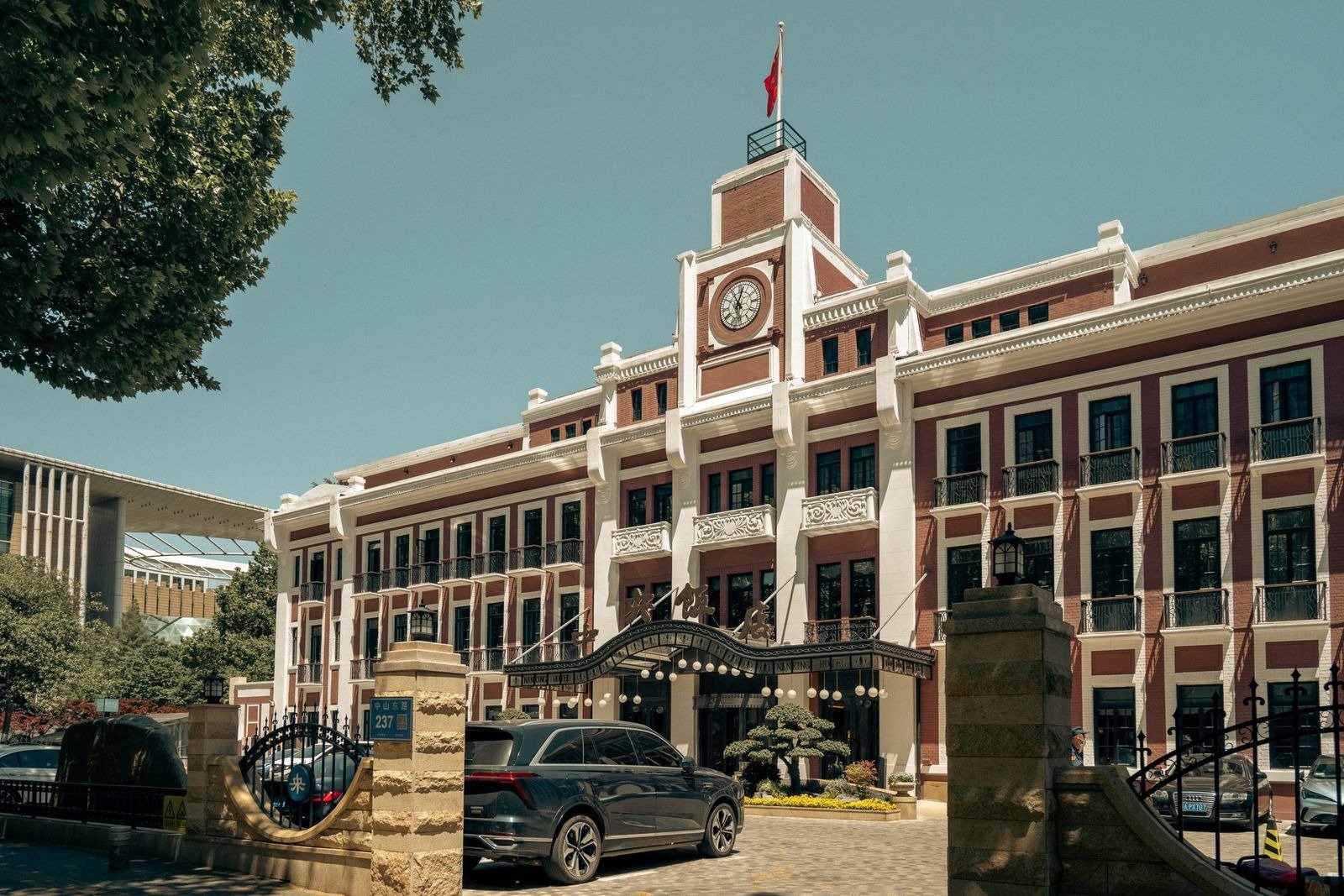
Presidential Palace
From the Qing viceroy's office to the Taiping heaven and then the republican government, centuries are stacked inside one courtyard. Step out and you are under the plane trees.
Rated for foreign travellers
Six things overseas visitors weigh most in China, scored 1 to 5. Based on what travellers actually ask about before they come.
- SafetyHow safe it feels
- 4.6
- Getting thereTransit convenience
- 4.9
- EnglishEnglish signs & staff
- 4.1
- PaymentsEasy to pay
- 4.4
- CleanClean & comfortable
- 4.3
- ValueWorth the money
- 4.5
The Presidential Palace is a museum of modern Chinese history, and several eras sit stacked in one modest compound: the Qing viceroy’s office, the Taiping Heavenly Kingdom, the provisional republican government, and later the Nationalist administration.
Walking in from the gate
The first buildings are the blended Chinese-Western offices and assembly hall left by the republic. Further in, the style abruptly changes to a Jiangnan garden — rockeries, a pond, covered corridors, quiet enough to feel like another place. That abrupt change is the most revealing thing about the site: each regime rebuilt on what the last one left behind.
What to look at
Focus on three groups: the Taiping remains, the restored presidential offices, and the rear garden. There is a good deal of written material, and two slow hours will cover it properly. Weekday mornings are calmer; at opening time the courtyards are almost empty.
After you leave
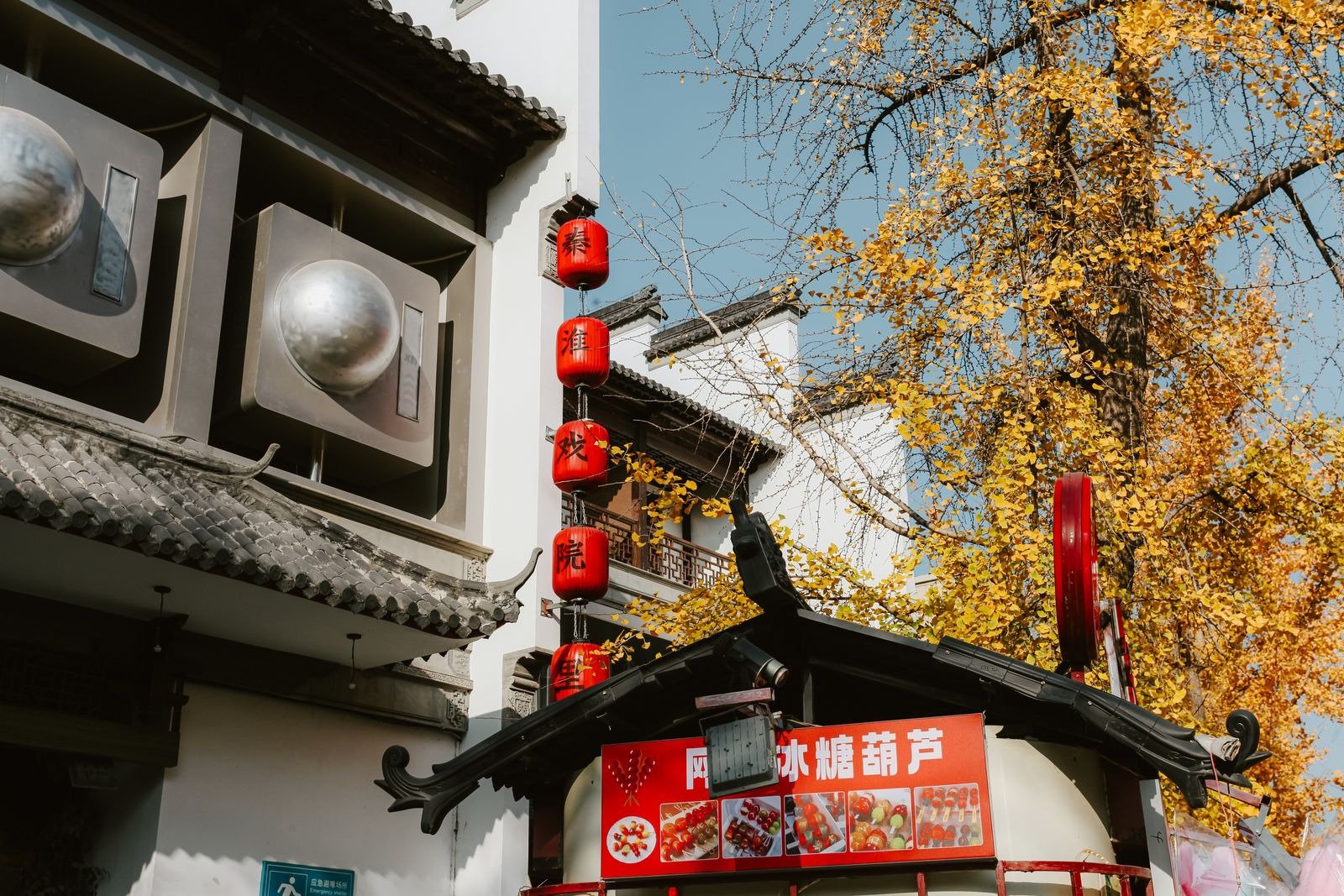
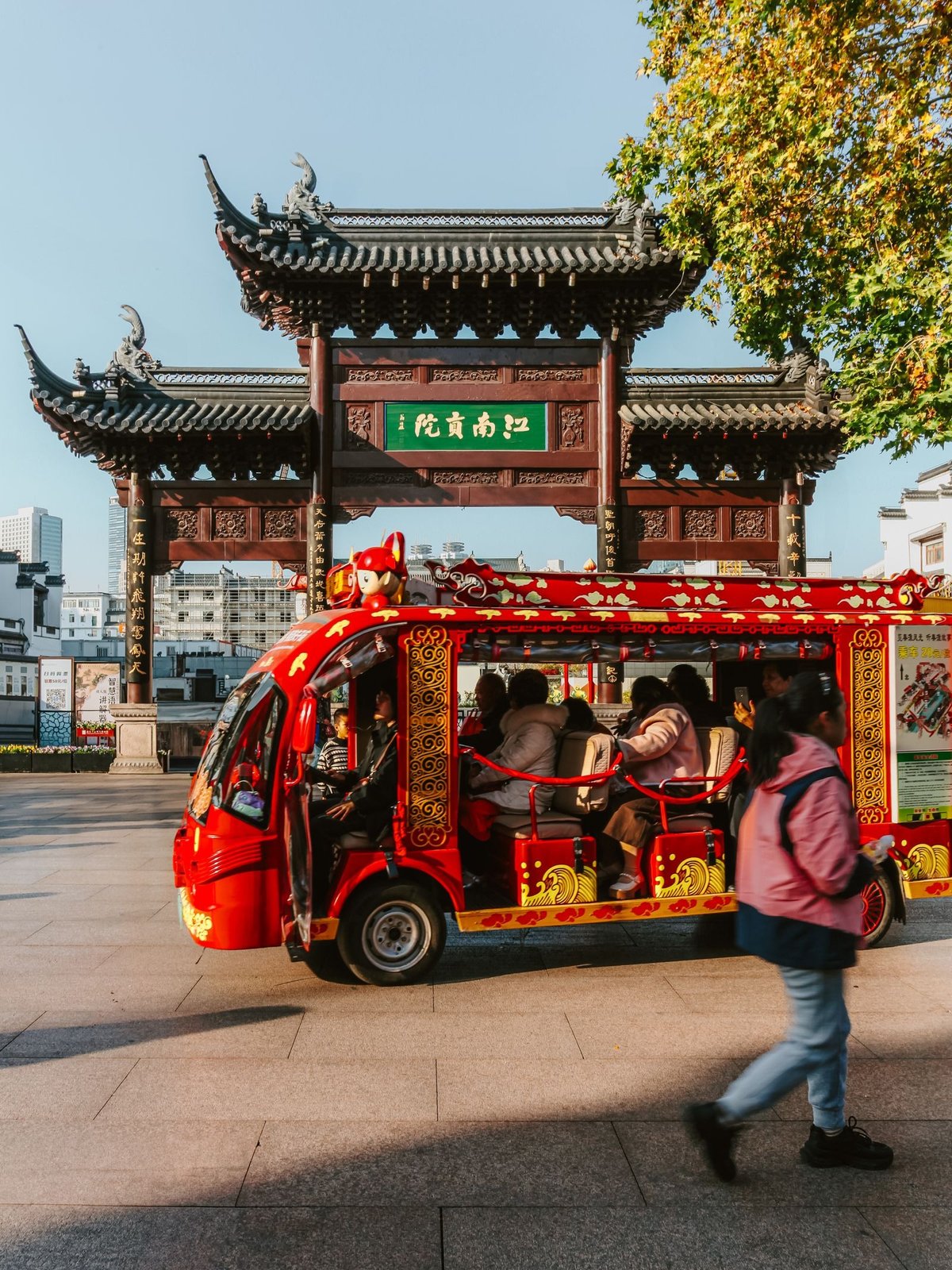
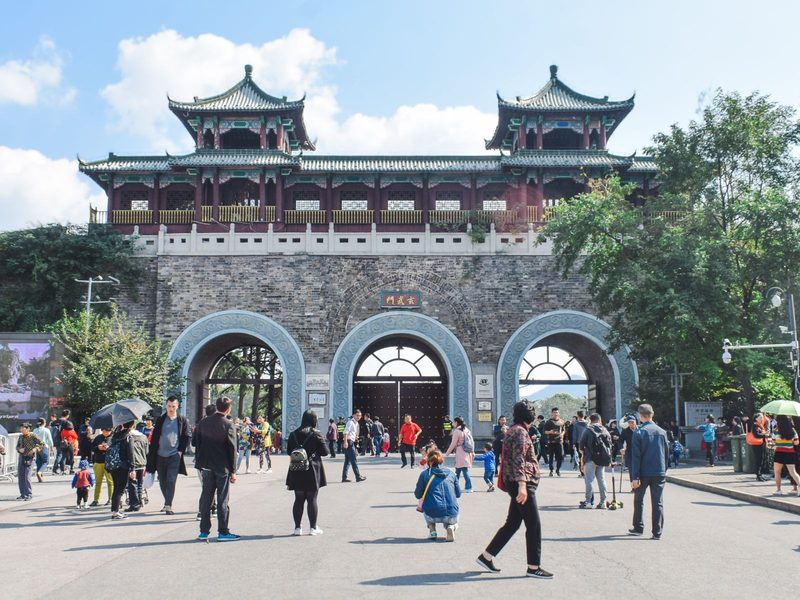
You come out onto Changjiang Road, shaded by plane trees. Walk west ten-odd minutes to Xinjiekou, or east to the Yihe Road villa district, where Republican-era houses hide behind the trees with no ticket and few tourists. Later in the day, a section of the Ming City Wall or the lights at the Confucius Temple are both a few metro stops away.
Before you go
What does entry cost, and do I need a booking?
¥35 (about $5). In peak season and on holidays, buy through the official channel ahead of time to shorten the queue.
Is the garden worth the time?
Yes. The Jiangnan garden in the back half has an entirely different mood from the Western-style office blocks up front. Many visitors leave after seeing only the buildings.
What about a guide?
There are guides on site and plenty of written panels. If you read Chinese, an audio guide adds far more than a quick walk through.
Want a plan that fits your dates?
Tell us your dates, budget and what you actually like doing — we will send back a day-by-day plan by email. No charge for the first draft.
Plan with us →