Mar – May
17–26°C
Damp and hazy, but the kapok trees bloom and the dim sum season is in full swing.
Pleasant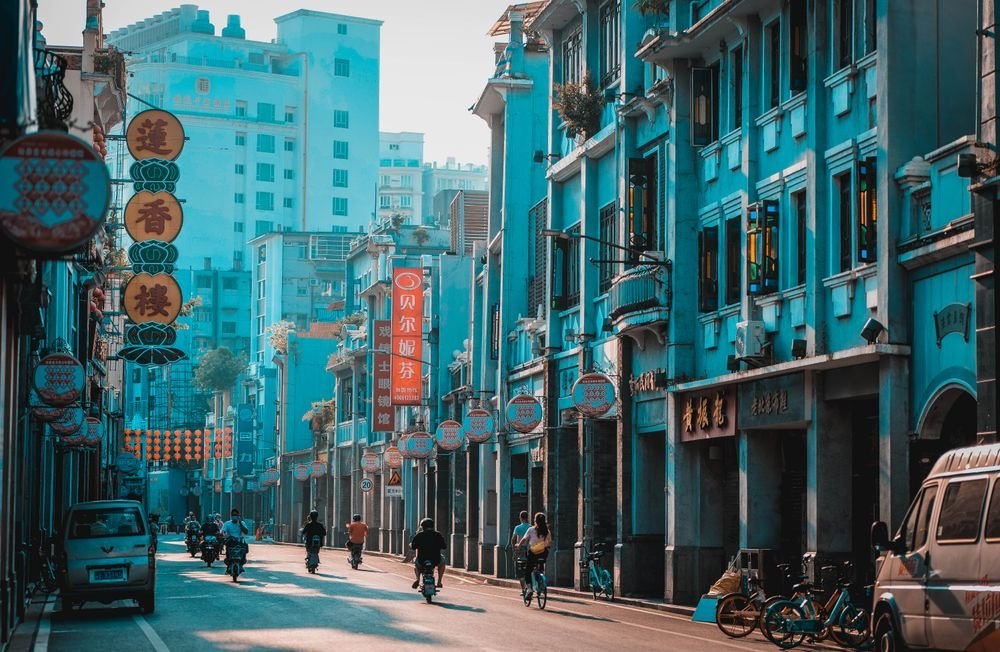
Where the city splits, when to come, and how to spend a first day.
Damp and hazy, but the kapok trees bloom and the dim sum season is in full swing.
PleasantHot, humid and rainy, with the occasional typhoon. Museums and malls are your afternoon refuge.
ToughThe most comfortable months — clear skies, perfect for walking the old districts and the riverfront.
BestMild; a shirt plus a jacket is enough. Chinese New Year flower markets take over the city.
MildYou are here now: Autumn, 20–30°C.
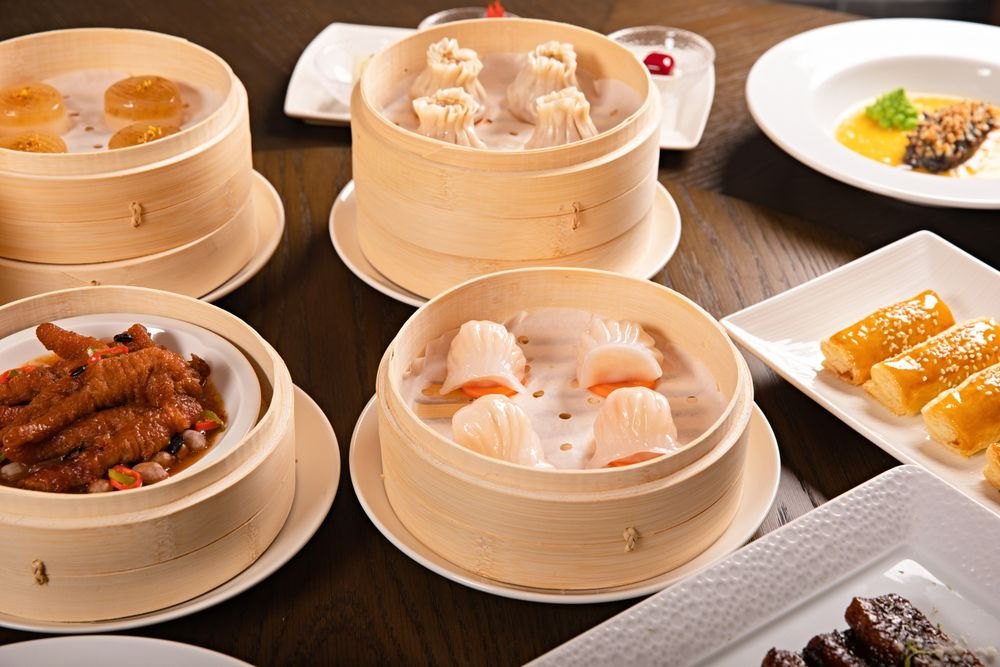
Har gow, siu mai, chicken feet, congee. Arrive early on weekends — CNY 80–150 per person.
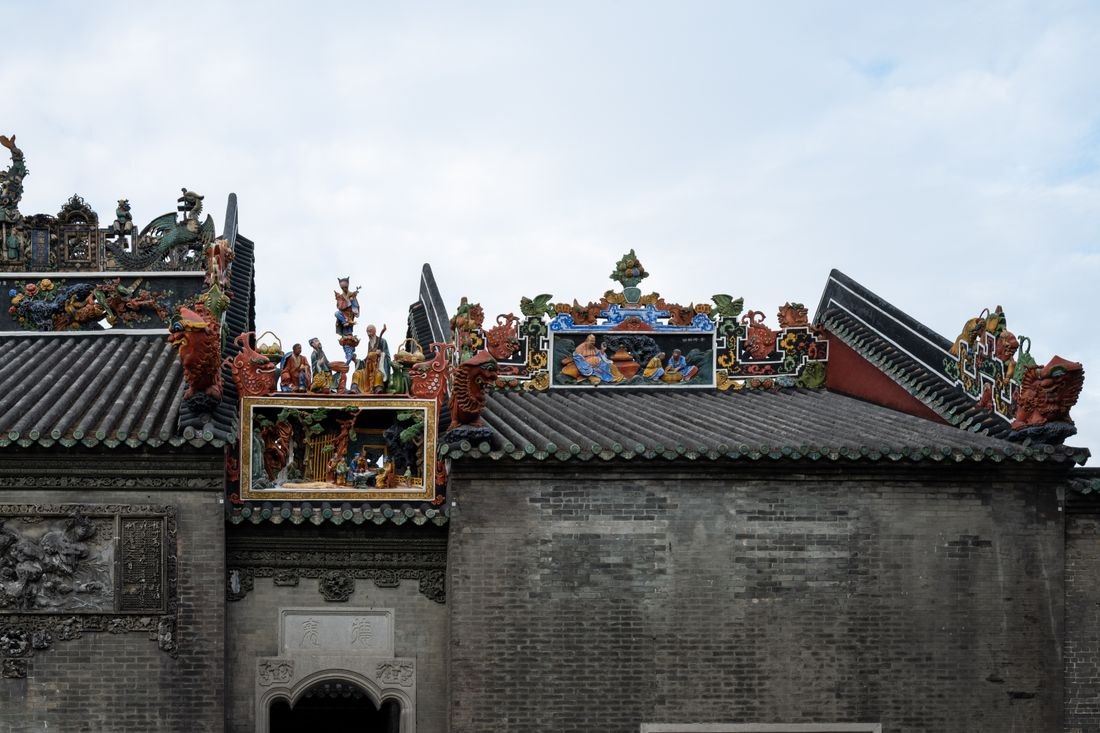
The peak of Lingnan brick and plaster carving. CNY 10; give it a slow hour.
Yongqing Fang arcades, Cantonese Opera Museum, Lychee Bay. Half a day is plenty.
A small island of colonial-era buildings, shaded and made for wandering.
Go up after dark, or see the lights from the water instead.
Guangzhou’s appeal isn’t a single sight. It’s a way of life. Locals call dim sum “sighing over tea” — a pot, a couple of baskets, and three hours in which to talk, read the paper and do business. This isn’t a performance for visitors; it’s how the city actually lives.
It’s also one of the oldest trading ports in the world. For two thousand years ships left here and came back, and the city inherited a practical, open, unpretentious character. Walk the arcaded streets of Xiguan and you’ll find a Cantonese opera museum, a century-old dim sum shop and a new design studio within a block — the old and the new don’t seem to mind each other.
The old city is Yuexiu and Liwan. Beneath Beijing Road lies a thousand-year-old roadway; the Chen Clan Ancestral Hall carries the finest brick and plaster carving in Lingnan; Yongqing Fang is a restored arcade quarter full of small shops. This is a district to walk, and to sit down in whenever a teahouse catches your eye.
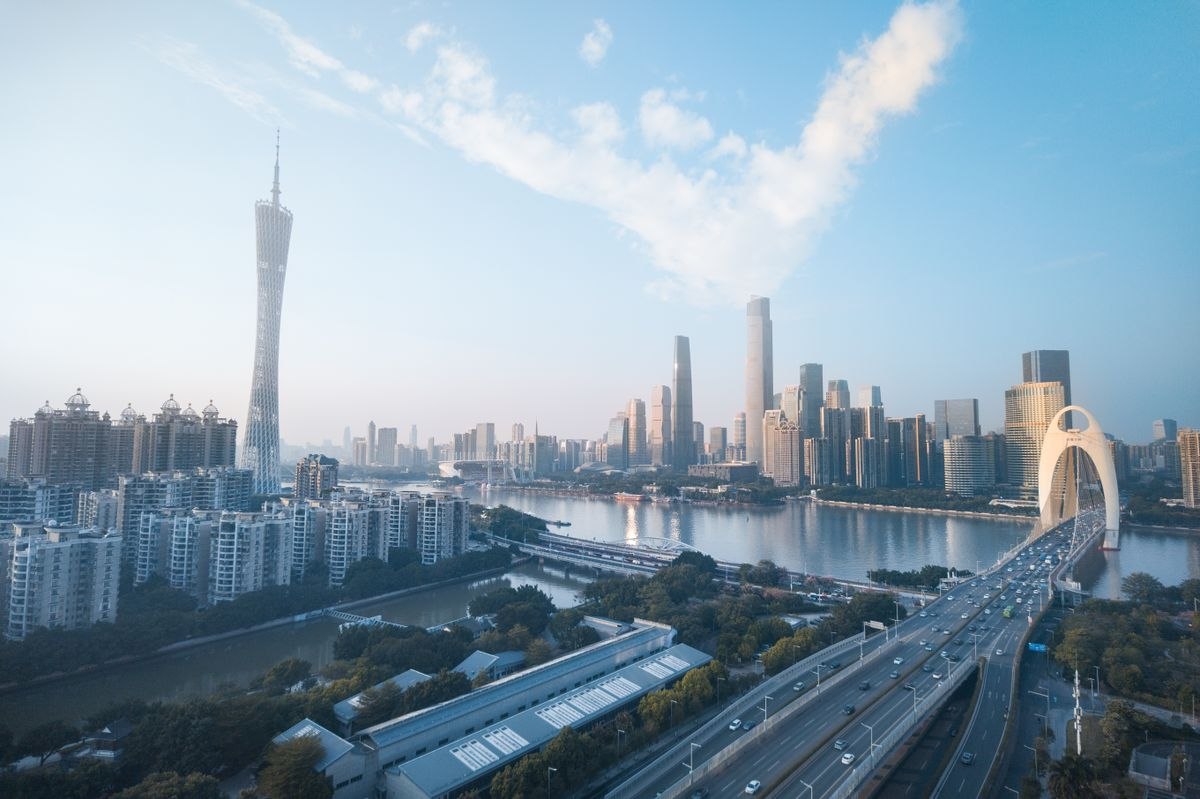
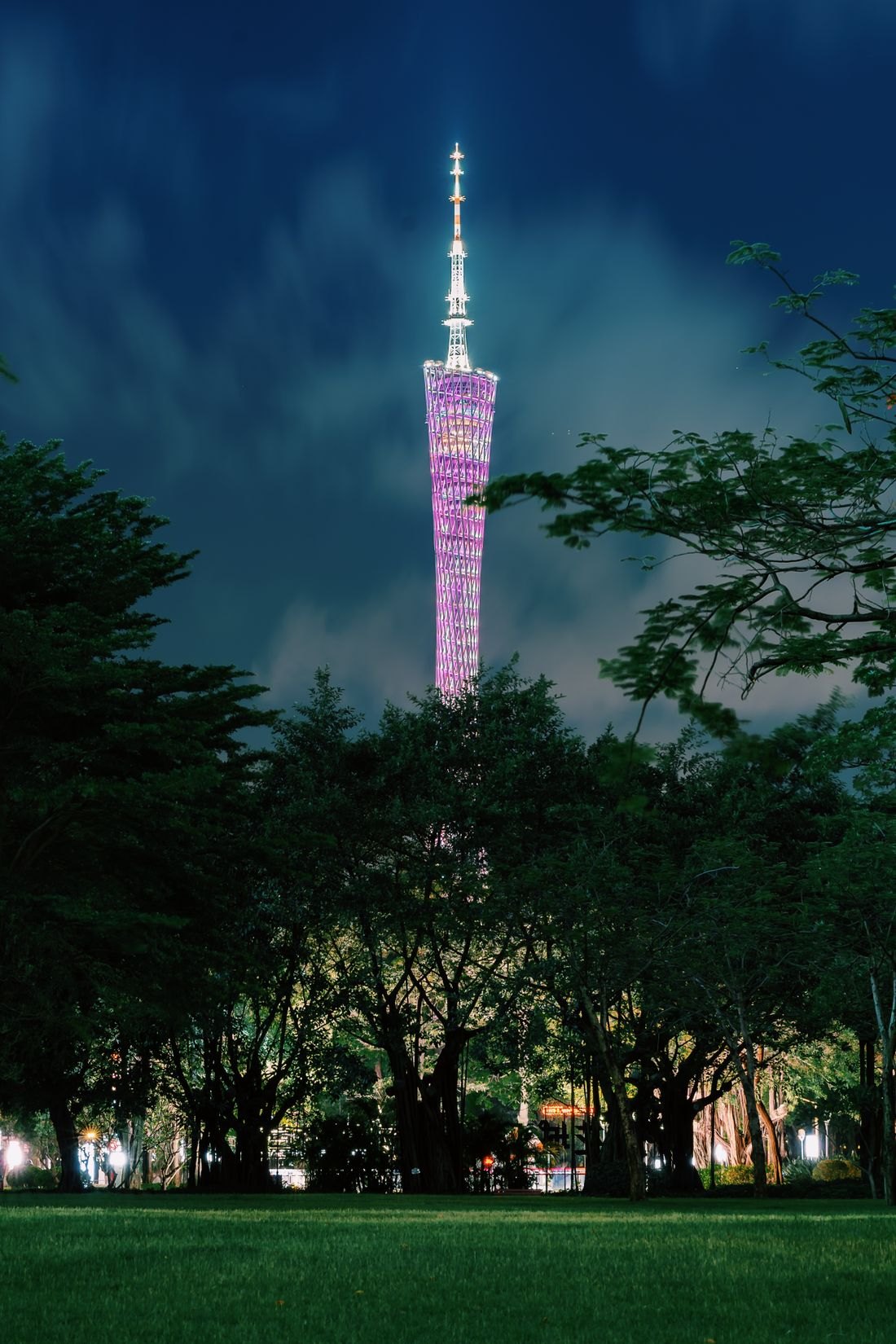
The new city is Tianhe and Zhujiang New Town. Huacheng Square, the Guangdong Museum (free, but book ahead), the twin towers and the Canton Tower make up the skyline. From the river after dark, the whole city is lit.
Dim sum is the thing to spend time on. Har gow should have a thin translucent skin around a whole prawn; siu mai shows crab roe on top; chicken feet are soft and deeply seasoned; boat congee comes with fish, fried dough and peanuts. Old teahouses take numbers on weekend mornings, so arrive early.
Beyond dim sum, try rice noodle rolls — the pulled sheets at places like Yin Ji are silky, and the soy sauce is the point. The old shops cluster around Shangxiajiu and Dishifu Road; Baohua Road has Chen Tianji’s fish skin and Shun Ji’s ice house for old Xiguan flavours.
The Canton Tower — “slim waist” to locals — is a steel lattice by day and the city’s bright centrepiece by night. Going up gives you the aerial view; staying on the ground at Liede Bridge gives you the whole shape of it, which some people prefer.
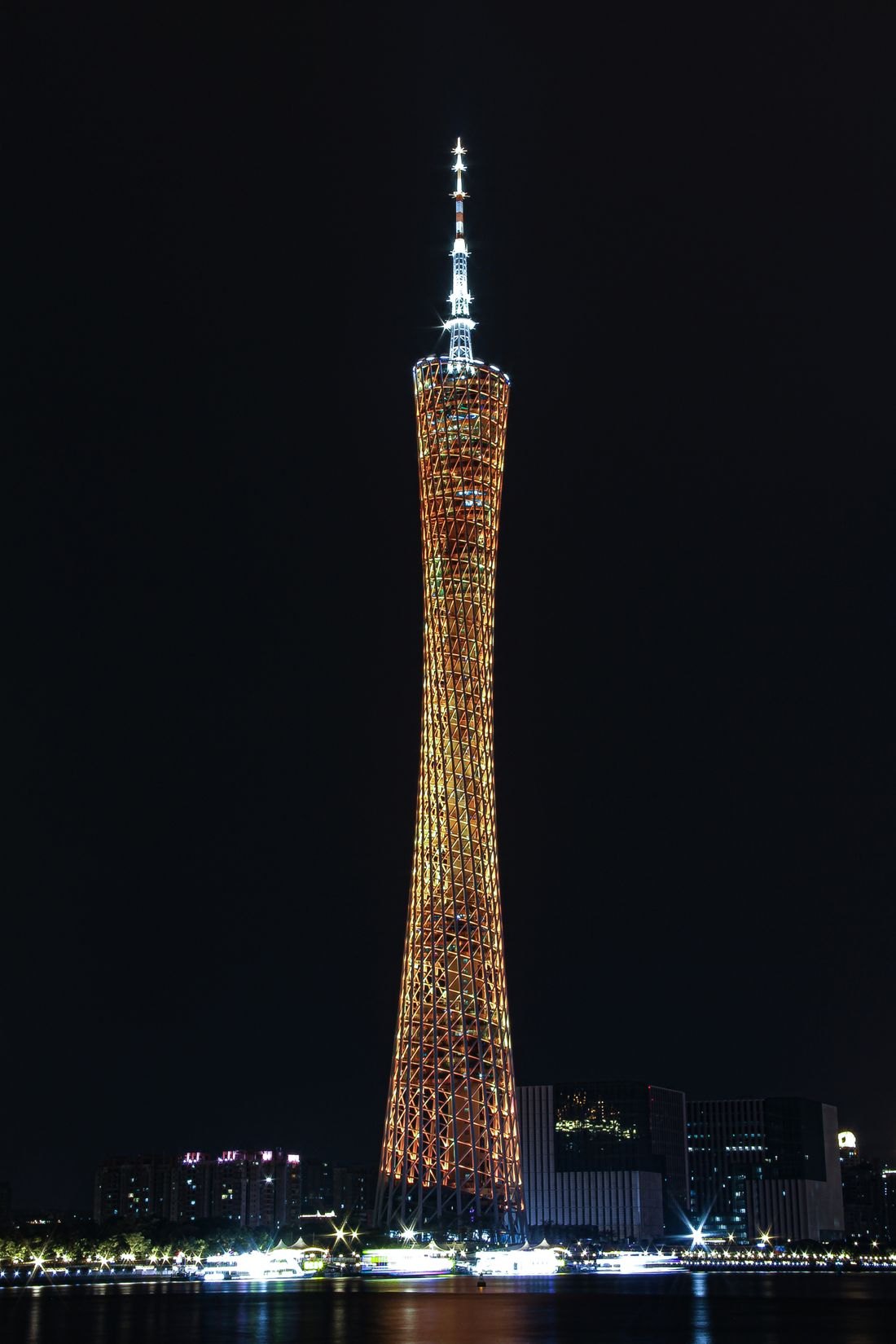
A Pearl River cruise is the other perspective — the banks from the water are a different city from the banks on foot. Tickets start around CNY 50, sailings are frequent, and booking ahead is wise in peak season.
The metro is the best way around — it reaches almost everywhere, rides cost CNY 2–14, and both Yang Cheng Tong cards and Alipay transport codes work. Baiyun airport is on Line 3; Guangzhou South is the high-speed rail hub for Shenzhen, Hong Kong and Foshan.
Don’t drink the tap water. Hotels have kettles and bottled water costs CNY 2–3 everywhere. Summer is humid with typhoons, so check the forecast; autumn and winter are the easiest months for walking the old streets.
There is no separate Guangzhou visa — China's national rules apply. Passports from most European countries, plus Australia, New Zealand, Japan, South Korea and Canada currently get 30 days visa-free; US and UK passports can use the 240-hour transit waiver with an onward ticket. Check mfa.gov.cn before you book.
Metro Line 3 runs to the centre in about 40 minutes (CNY 7–8); airport buses are another option. A taxi downtown is CNY 120–180 depending on traffic, 45–70 minutes.
A pot of tea plus two dishes is the baseline. The classics are har gow, siu mai, char siu bao and chicken feet. Old teahouses queue on weekend mornings — go early or miss the rush.
A notch below Beijing and Shanghai. Dim sum CNY 80–150 a head, rice noodle rolls CNY 12–25, mid-range hotels CNY 400–700. The metro is excellent and keeps transport costs low.
Three full days. One for the old city (Chen Clan Hall, Xiguan, Shamian), one for the new town (Guangdong Museum, Canton Tower, river cruise), one for dim sum and Chimelong or the outskirts.
The wheel sits 450 metres up, costs extra and depends on the weather. If heights aren't your thing, the observation deck is enough — the river lights below do the work.
One email, no forms. Tell us when you land and what you like eating.
Plan with us →The neighbourhoods and day trips worth the trip out.
02Ready-made routes by length, with fixes for rain and closed museums.
03What to order, where to sit, and what to do after dark.
04Concerts, exhibitions and the seasonal windows locals wait for.
05The long reads — history, culture and the questions visitors get wrong.
06Payments, trains, data, language — the same in every city.
07Send your dates and we send back a day-by-day plan.