Mar – May
12–22°C
Comfortable temperatures, flowering trees and the first tea of the year.
Pleasant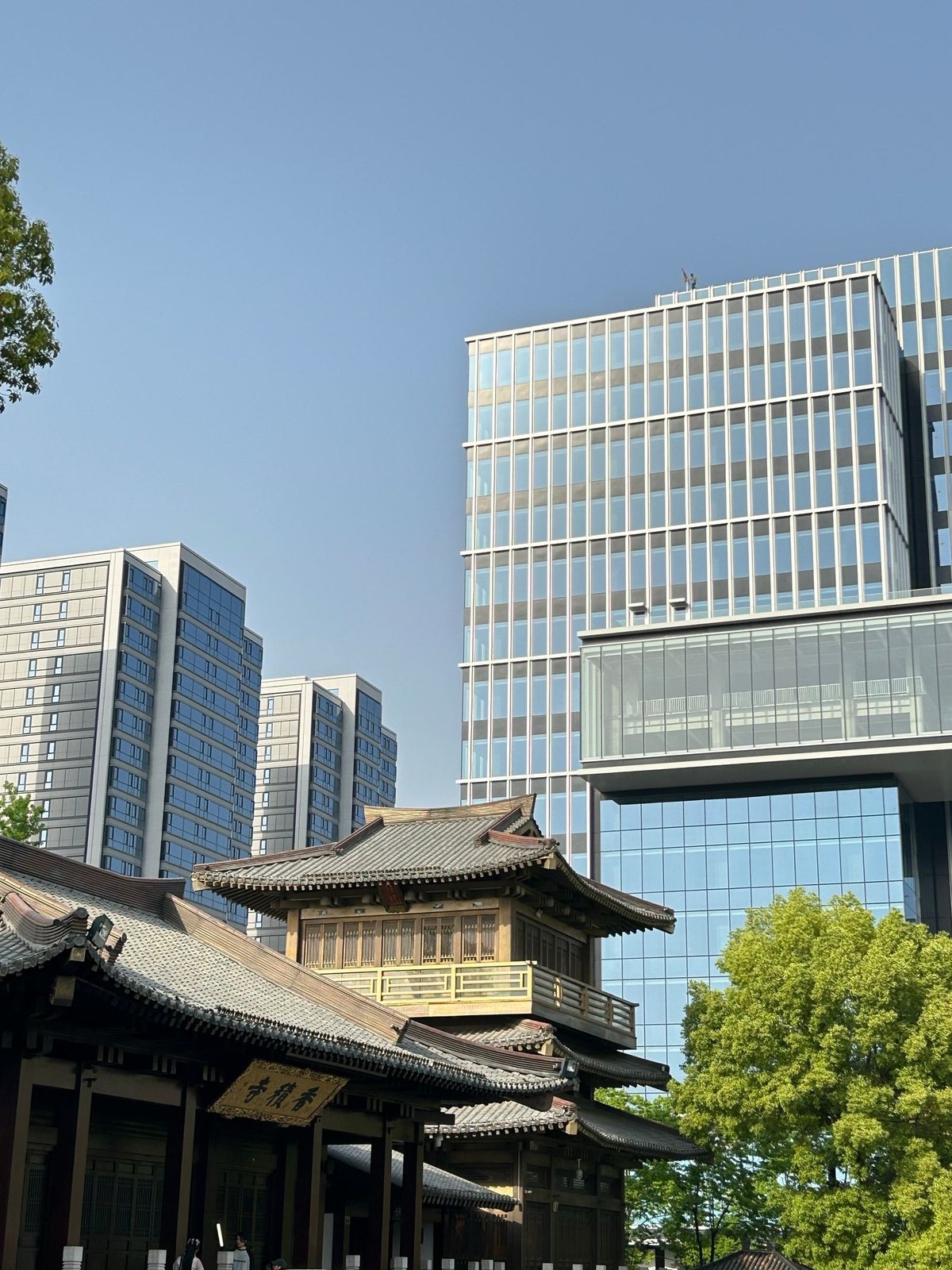
Where the city splits, when to come, and how to spend a first day.
Comfortable temperatures, flowering trees and the first tea of the year.
PleasantHot, humid and rainy, with afternoon storms. Teahouses and museums are the refuge.
ToughClear skies and the easiest months of the year for walking and sitting outside.
BestDamp cold, little snow and rare sun. The teahouses are busiest when it is grey outside.
DampYou are here now: Autumn, 16–25°C.
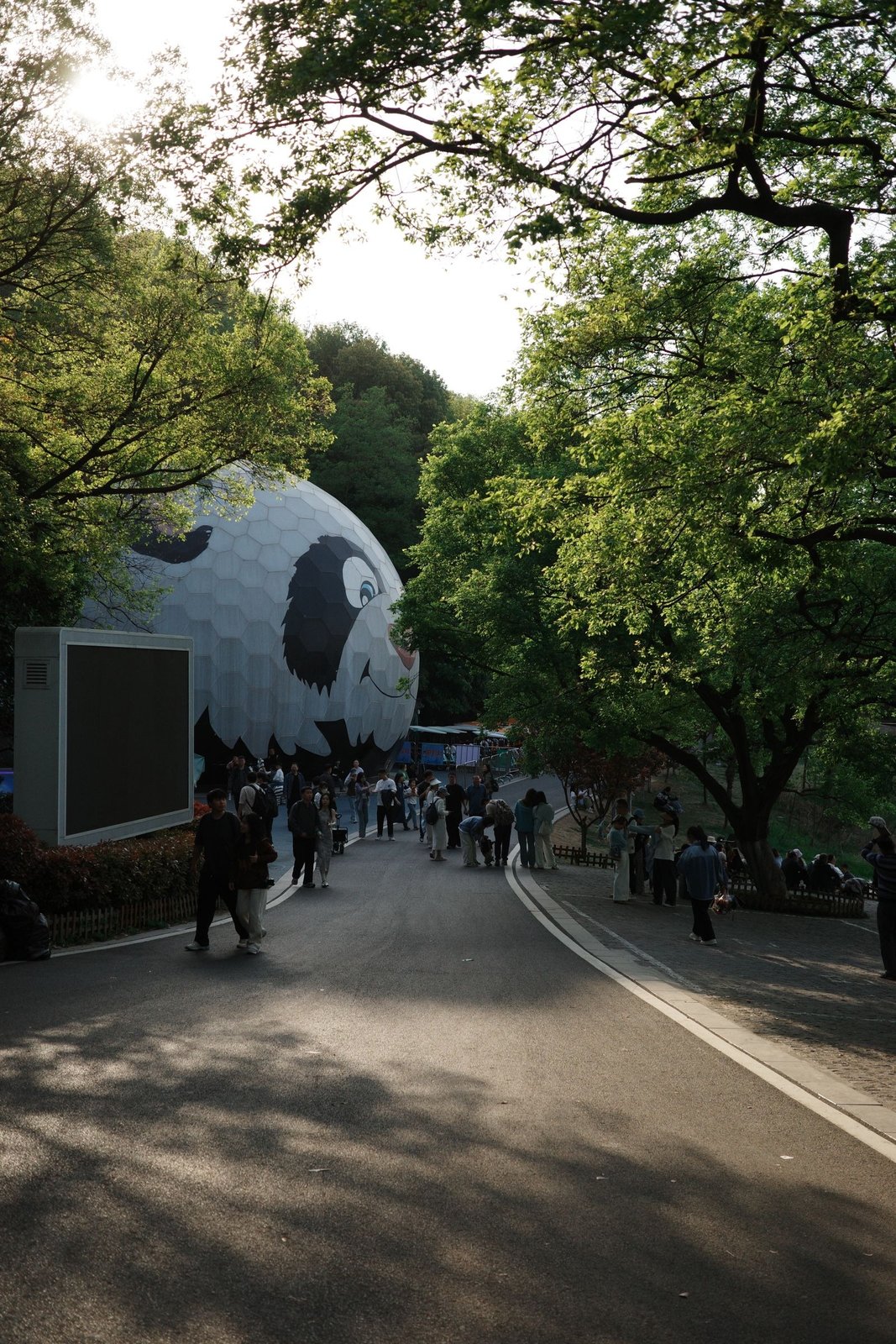
Go early, pandas are most active in the morning. Admission ¥55 (about $8); book ahead.
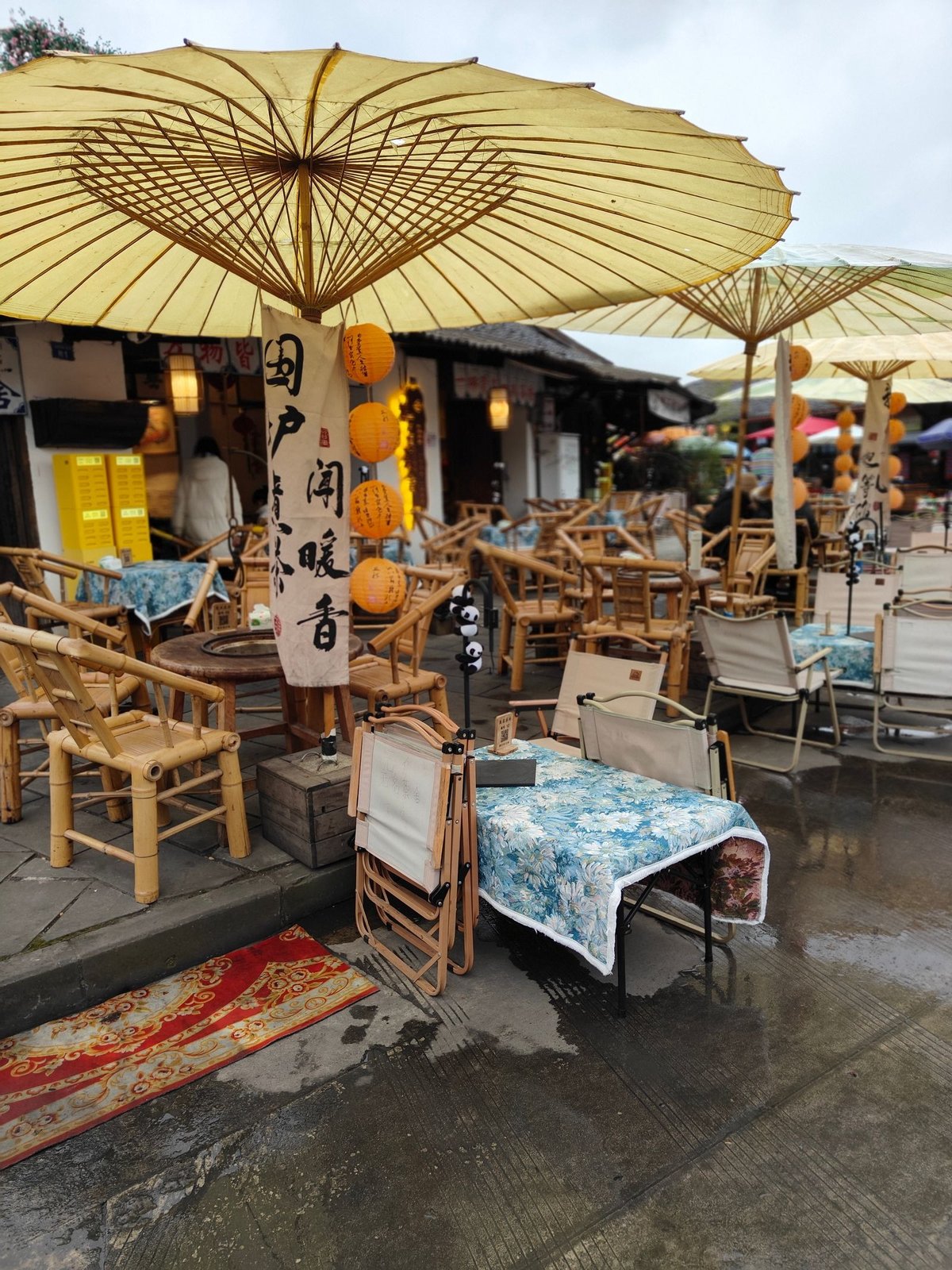
A bowl of tea ¥15–30 (about $2–4). One bamboo chair is enough for the whole morning.
Red walls and bamboo, three centuries of stories in one courtyard. ¥50 (about $7).
Old courtyards strung into a street, best when the lamps come on. Free.
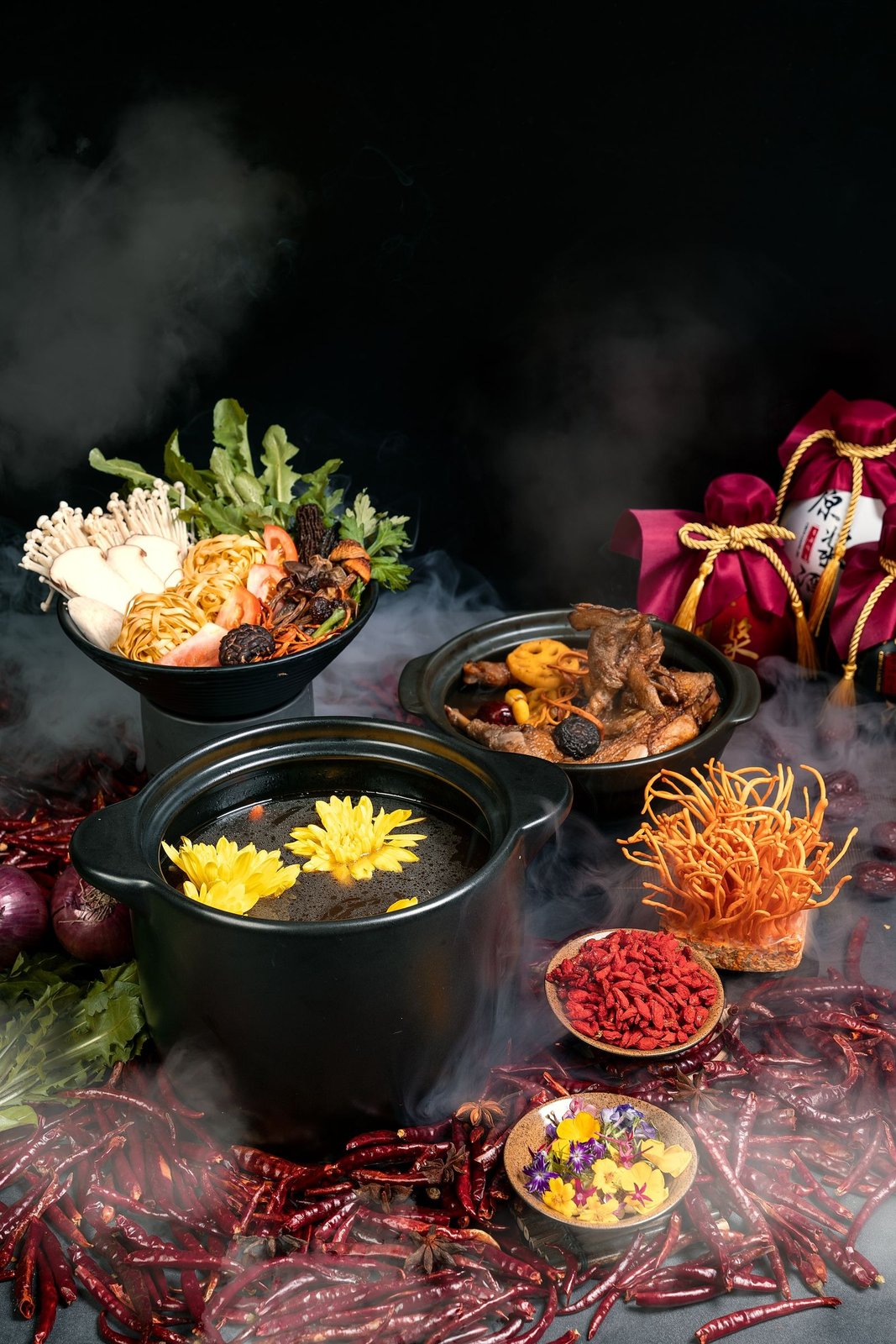
¥100–150 a head (about $14–21). Order a split pot if you cannot take the heat.
Chengdu’s pace is set by teahouses and bamboo chairs. A bowl of tea arrives and the whole morning goes with it. This is not a show put on for visitors — swapping stories, getting an ear cleaned, watching the street go by is what the city actually does with its time.
The city has kept its name for over two thousand three hundred years. It does not seal its past off behind glass the way some old towns do: temple eaves sit next to glass office towers, and new shops open inside old courtyards. Walking the streets, it is hard to say where the “old city” ends.
Giant pandas are Chengdu’s most famous neighbours. The breeding base sits in the northern suburbs, and the morning is the hour to go — bamboo, wooden frames, pandas rolling around, and visitors flattened against the railings with cameras.
Back in town, Wuhou Shrine is a different picture: red walls and bamboo, three kingdoms compressed into one courtyard. Jinli street starts at the gate, so lunch is never far away. Du Fu Thatched Cottage lies west of the centre, with a round moon gate, thatched roofs and deep bamboo — the garden is the better part of the visit.
It starts with hotpot. Red oil boils, tripe and duck intestine go in for a few seconds each, and a table of people eats themselves breathless. A split pot solves the heat problem and nobody thinks less of you for it. Mapo tofu is the other signature — hot, numbing, fragrant, and worth an extra bowl of rice.
Street food is looser still: skewers, dan dan noodles, dumplings and little egg pancakes, with a new stall every few steps. Chengdu does not eat for show. A plastic stool and a good bowl are enough.
Dujiangyan is an hour northwest by intercity rail. This irrigation system is more than two thousand years old and still divides the Min River today. Standing on the Anlan suspension bridge, the engineering explains itself better than any signboard. Qingcheng Mountain sits nearby if you want to give the trip a second day.
The metro reaches the main sights, rides cost ¥2–10 (about $0.3–1.4), and a transit code in your phone or a stored-value card both work. The two airports are not interchangeable: Shuangliu is close in, Tianfu has more flights but is much further out, so check your ticket carefully. Summer and autumn bring rain — carry an umbrella. Winter is damp rather than cold, so dress for the humidity rather than the number on the thermometer.
There is no separate Chengdu visa — China's national rules apply. Passports from most European countries, plus Australia, New Zealand, Japan, South Korea and Canada currently get 30 days visa-free; US and UK passports can use the 240-hour transit waiver with an onward ticket. Check mfa.gov.cn before you book.
Tianfu is about 50 km out; Metro Line 18 takes around 50 minutes (roughly ¥10, about $1.4). Shuangliu is closer, about 30 minutes on Line 10. A taxi downtown runs ¥100–180 (about $14–26) depending on traffic.
Gates usually open between 7:30 and 8:00 depending on the season. Pandas are most active from about eight to ten and mostly asleep by noon. Book through the official channel and go early.
A notch below Beijing and Shanghai. Hotpot runs ¥100–150 a head (about $14–21), a bowl of tea ¥15–30 (about $2–4), and a mid-range hotel ¥300–600 (about $43–86). The metro keeps transport cheap.
Three full days. One for the panda base and the city, one for Dujiangyan, one for teahouses, Wuhou Shrine and eating.
Sichuan cooking is built on chilli and peppercorn, but hotpot places offer a split pot with a mild broth. "A little spicy" usually still means spicy, so say plainly that you want no chilli. Staff are used to the question.
One email, no forms. Tell us when you land and what you like eating.
Plan with us →The neighbourhoods and day trips worth the trip out.
02Ready-made routes by length, with fixes for rain and closed museums.
03What to order, where to sit, and what to do after dark.
04Concerts, exhibitions and the seasonal windows locals wait for.
05The long reads — history, culture and the questions visitors get wrong.
06Payments, trains, data, language — the same in every city.
07Send your dates and we send back a day-by-day plan.